canada and Denmark Unite to Fortify Arctic Defense
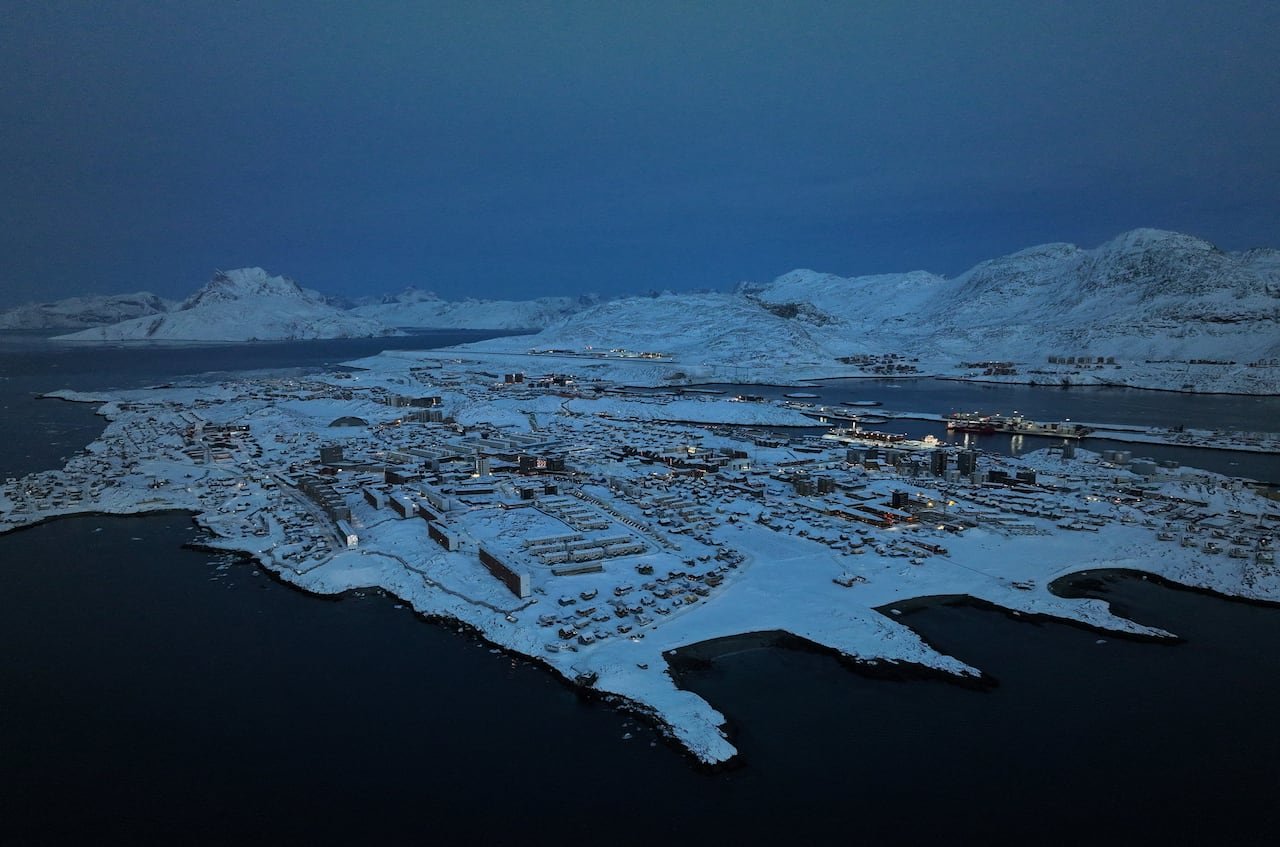
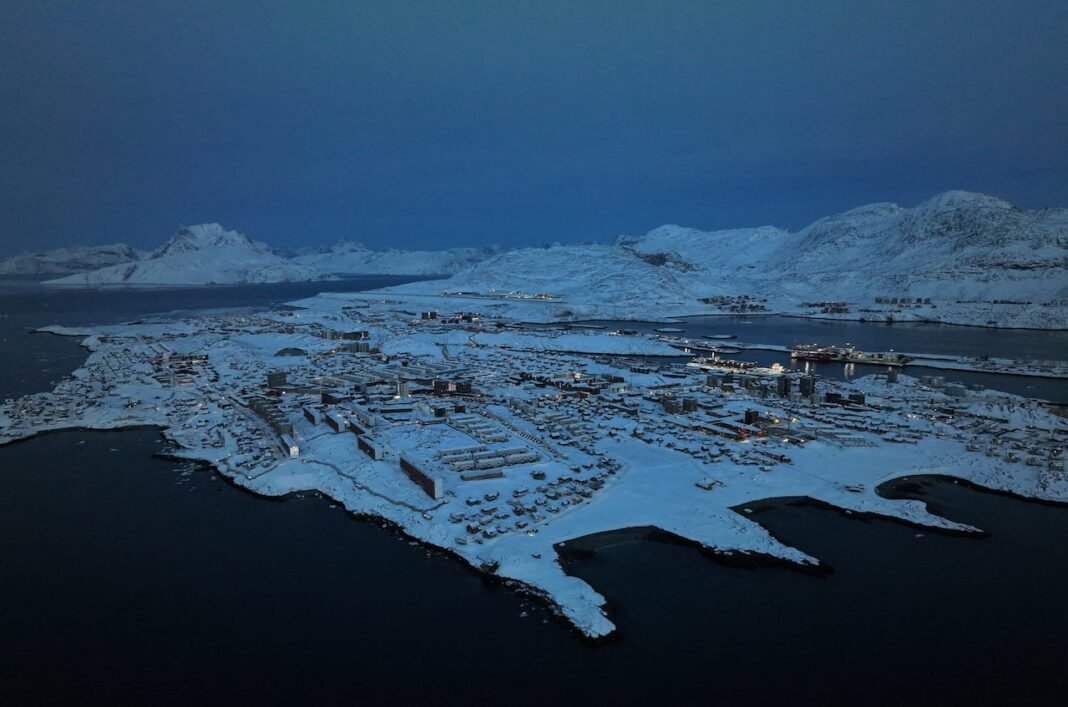
In a decisive effort to enhance security across the Arctic, Canada and Denmark have entered into a new defense collaboration.This alliance focuses on improving joint monitoring operations and coordinated responses, especially regarding Greenland-a Danish autonomous territory-amid escalating geopolitical interest from global powers including the United States.
Deepening Military Collaboration for Northern Stability
The pact was officially signed at an international security forum, underscoring both nations’ dedication to protecting their northern frontiers. While it respects existing NATO commitments under Article 5-which ensures collective defense-the agreement intensifies cooperation through shared military drills and intelligence exchange tailored specifically for Arctic challenges.
Canada’s Defence Minister highlighted the contry’s identity as an Arctic nation,affirming that this partnership with Denmark,Greenland,and the Faroe Islands strengthens their ability to deter threats in this strategically critical zone.
Geopolitical Pressures Surrounding Greenland’s Strategic Role
This agreement emerges against a backdrop of increased tensions following past U.S. proposals to purchase Greenland-an idea that alarmed NATO allies concerned about sovereignty and regional balance.Although those acquisition plans have since been downplayed by American officials, they triggered heightened alertness among NATO forces operating near or within polar territories.
NATO’s recent launch of its “Arctic Sentry” program further reflects allied efforts to unify defense postures across northern Europe and North America amid russia’s growing military footprint in polar areas.
Expanding Defense Ties: From Baltic Deployments to Arms Deals
- Denmark currently contributes troops within a Canadian-led multinational brigade stationed in Latvia as part of NATO’s eastern deterrence strategy against potential aggression.
- The Danish Ministry of Defence has also deepened industrial ties by procuring over 30,000 modular rifles manufactured by Canadian companies last year-highlighting tangible arms trade alongside strategic cooperation.
- This new accord builds upon these foundations by prioritizing enhanced surveillance capabilities over vast Arctic expanses where extreme weather complicates monitoring efforts.
A Balanced Approach: Reinforcing Security Without Provoking Conflict
The framework is intentionally designed as a flexible arrangement rather than a binding treaty imposing extra obligations beyond NATO’s collective defense principles. Officials emphasized that discussions began well before recent political developments concerning Greenland surfaced; thus, the agreement remains stable despite evolving geopolitical dynamics.
“Our agreement’s content has stayed consistent despite external pressures,” stated one senior Canadian official involved in early negotiations this year.
Implications for European Defense Strategy Amid Regional disputes
Tensions surrounding territorial claims like those involving Greenland continue shaping broader European security conversations. at recent diplomatic gatherings, leaders called for Europe to assert itself more decisively on strategic interests-demonstrating how localized disputes can drive momentum toward stronger continental unity while sustaining support for ongoing conflicts such as Ukraine’s defense efforts against Russian aggression.
The Future Landscape of Northern Security Cooperation
With climate change accelerating ice melt throughout polar regions-and opening new shipping lanes projected to boost commercial traffic by nearly 50% over the next twenty years-the need for advanced surveillance systems becomes increasingly urgent. Partnerships like Canada-Denmark are essential for maintaining rapid military readiness alongside diplomatic engagement in this transforming environment.