Canada’s Ambitious Strategy to Cut Methane Emissions in Oil and Gas
Canada is taking a bold step to address climate change by introducing rigorous regulations aimed at drastically reducing methane emissions from its oil and gas sector. These new rules, scheduled for enforcement beginning in 2028, target a substantial 75 percent decrease in methane emissions by 2035 compared to levels recorded in 2014.
The Critical Role of Methane Mitigation
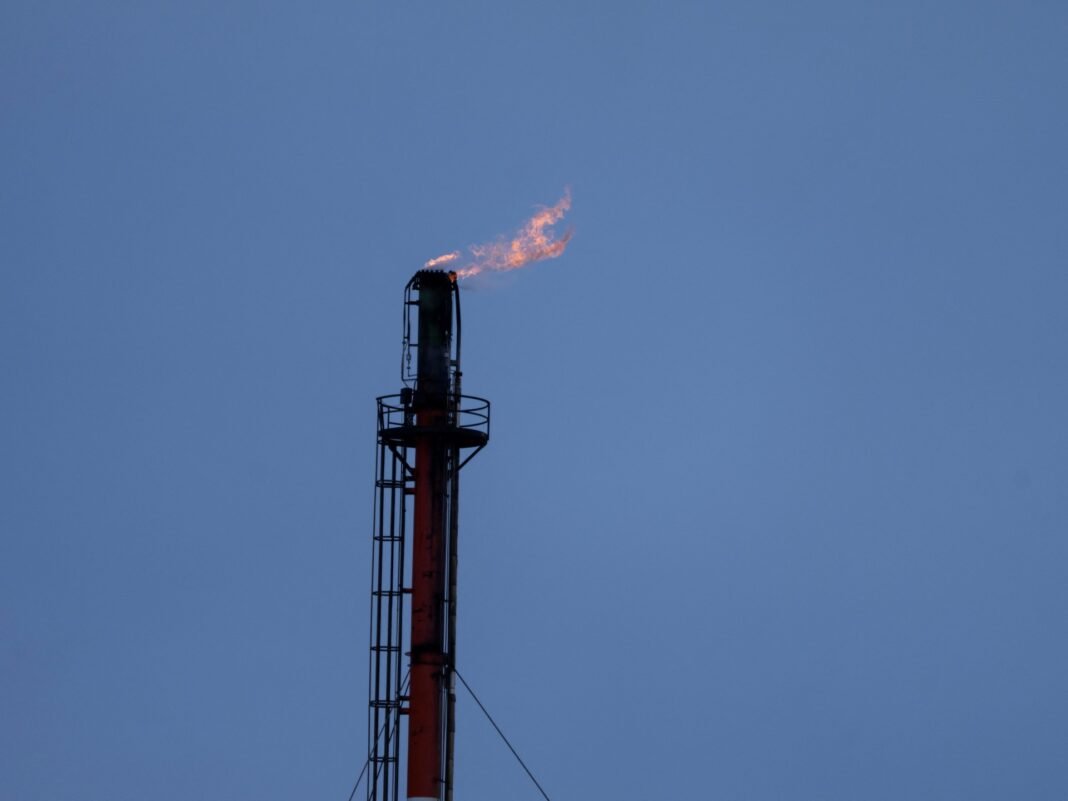
Methane stands out as an exceptionally potent greenhouse gas, possessing roughly 80 times the warming potential of carbon dioxide over a 20-year period. Even though it remains airborne for less time than CO2, its immediate influence on global warming is notable.In Canada, nearly half of all methane emissions originate from oil and gas activities such as venting, flaring, and leaks from wells and infrastructure.
A Modernized regulatory Approach: Versatility Coupled with Responsibility
The updated framework bans routine venting except under narrowly defined circumstances and mandates regular inspections to swiftly identify and fix equipment leaks. Operators have the freedom to design tailored methane reduction plans provided they meet specified intensity thresholds. This model fosters innovation while maintaining strict environmental accountability.
Evolving Targets: From Early Ambitions to Realistic Timelines
This regulatory revision builds upon earlier commitments but extends deadlines beyond previous proposals introduced under former leadership. while initial plans sought a similar 75 percent cut by 2030, industry concerns about feasibility led policymakers to adopt a more phased timeline culminating in reductions by the mid-2030s.
Advancements Amidst Growing Emission Challenges
Despite rising greenhouse gases linked with expanding fossil fuel production-making it unlikely that Canada will hit its overall goal of cutting total emissions by 40-45 percent below 2005 levels by 2030-the country has achieved notable progress specifically targeting methane. Current regulations requiring frequent leak detection have positioned Canada well toward meeting an interim goal of reducing methane output up to 45 percent below 2012 figures within this year.
Navigating Environmental Gains Alongside Economic Realities
The government estimates these measures will avert around 304 million tonnes of carbon dioxide equivalent emissions between 2025 and 2035,while only slightly impacting oil and gas production-projected at just a 0.2 percent decline during this timeframe.This balance reflects efforts to harmonize ecological objectives with economic sustainability amid critiques that some policy shifts favor investment incentives over aggressive climate action.
Methane Reduction: A Global Imperative With Local Impact
Methane mitigation is increasingly recognized worldwide due to its outsized effect on near-term temperature rise. For example, countries like Australia have adopted cutting-edge infrared camera technology enabling rapid leak detection that significantly lowers emissions without hindering output-a strategy Canadian operators may emulate under new standards.
- Methane’s potency: Nearly 80 times stronger than CO2 (over two decades)
- Main emission sources: Venting, flaring, equipment leaks during extraction processes in oil & gas industries
- Tightened oversight: Mandatory inspection schedules starting in 2028 focused on prompt repair of detected leaks
- Evolving goals: Shifted from ambitious but contested targets for cuts by early-2030s toward phased reductions through mid-decade
- Ecosystem advantages: significant emission declines expected alongside minimal disruption (-0.2% impact on production forecasted)
A Vision for Lasting Energy leadership
This comprehensive plan highlights Canada’s dual role as one of the world’s leading oil producers committed concurrently to advancing cleaner energy practices amid mounting global climate pressures. By combining adaptable compliance options with firm emission limits,these policies encourage technological progress while ensuring accountability within one of Canada’s vital economic sectors.
“Targeting potent greenhouse gases like methane represents one of our quickest routes toward mitigating short-term climate risks,” experts emphasize-underscoring why such initiatives are crucial components within broader decarbonization strategies worldwide.
The coming decade will be critical as Canadian regulators oversee implementation effectiveness while industries adjust operational methods accordingly-setting significant examples both nationally and internationally regarding responsible fossil fuel management amid accelerating environmental demands.