Canadian WomenS Hockey Team Implements Rigorous Norovirus Precautions at Milano Cortina 2026
Proactive Health Measures Amidst Viral Threats
The Canadian women’s hockey team is taking extensive precautions to avoid exposure to norovirus, which has recently impacted several teams during the early days of the Milano Cortina 2026 Winter Olympics. This highly contagious stomach virus has already disrupted schedules, including a postponed match involving Finland.
Rescheduling and Its Effects on Competition Timelines
The opening game between Canada and Finland, initially set for Thursday, was rescheduled to February 12 following a norovirus outbreak within the Finnish squad. Meanwhile, one Swiss athlete tested positive and was isolated; however, Canada’s upcoming contest against Switzerland remains unaffected.
Maintaining safety in Shared Environments
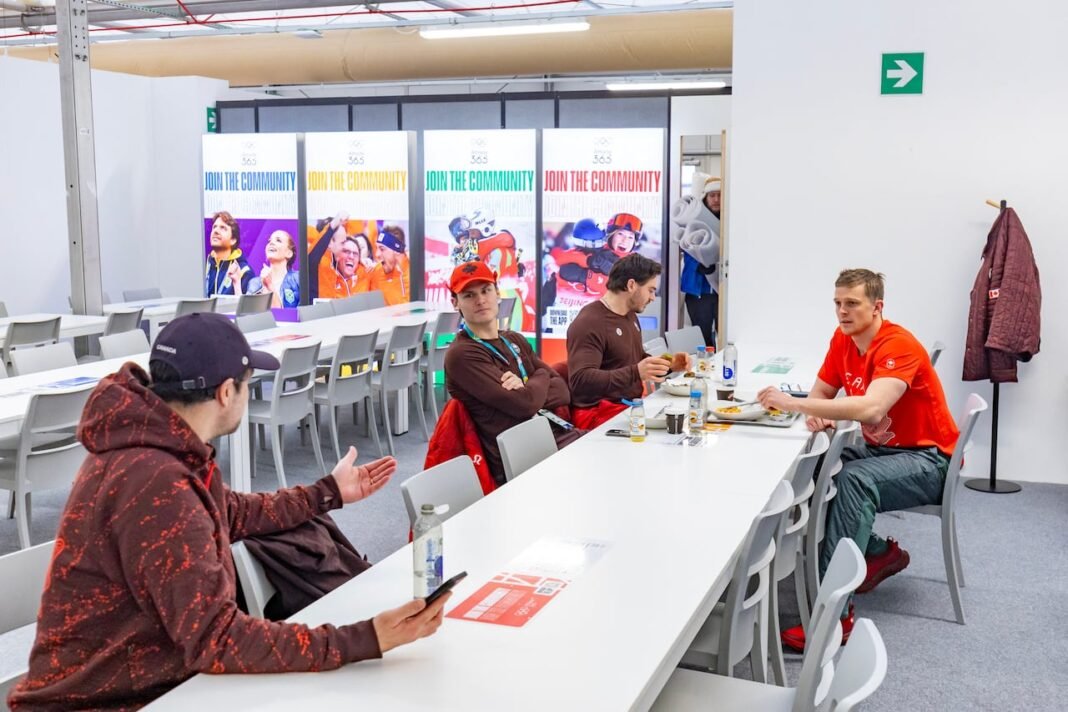
Blayre Turnbull, forward for Team Canada, stressed their heightened caution in communal areas: “We’ve been extremely mindful around shared spaces inside the Olympic Village.” She pointed out that although food service personnel generally manage meal distribution,some items like salad dressings are still communal and require extra vigilance.
“I’ve never washed my hands this much before-definitely more than ever,” Turnbull shared regarding their strict hygiene practices.
The team also promotes wearing masks and gloves when handling shared condiments while trying to keep distance from other groups whenever feasible.
Athlete Perspectives Reflecting Lessons From Past Global Events
The previous Winter Olympics in Beijing operated under stringent “closed loop” COVID-19 protocols involving mandatory masking, frequent testing, and limited social interactions. Although such rigorous measures are not enforced at Milano-Cortina 2026,athletes remain conscious of health risks when thousands gather in close quarters.
Managing Infection Risks Amid Large International Gatherings
Jenn Gardiner, another Canadian forward player, highlighted that with thousands of athletes, coaches, volunteers, and staff sharing venues daily-including dining halls and shuttle buses-the potential for contagious illnesses spreading is considerable. The extensive international travel required further elevates vulnerability to viruses like norovirus or other common pathogens during major sporting events.
Caution Extends Beyond Hockey: Vigilance Among Speedskating Athletes
The Canadian short-track speedskating team is also adopting preventive measures amid concerns about a stomach virus threatening their medal prospects. Skater Kim Boutin noted increased awareness around public spaces such as transit shuttles where mask usage remains vital despite eased overall restrictions compared to previous Games:
“Initially mask use on shuttles was planned but now we have to be even more careful,” Boutin explained regarding ongoing safety efforts.
Tactical Advice From athletes To Reduce Infection Risk
- Avoid touching communal condiment containers directly by using gloves or utensils whenever possible.
- Wash hands thoroughly with soap multiple times daily-especially before eating or after contact with shared surfaces.
- If preferred or mandated by personal comfort or team guidelines-wear masks indoors in crowded settings such as dining areas or transportation vehicles.
- Mingle primarily within your own team bubble rather than extensively interacting with other national groups during downtime or meals.

Navigating Infectious Disease Challenges During Global Sporting Events: Insights From Recent Outbreaks
This scenario highlights how infectious diseases continue to disrupt elite sports schedules years after global pandemics transformed event planning worldwide. With over 10 million visitors expected throughout these Games-including athletes representing more than 90 countries-the necessity for proactive health strategies remains critical.
The experience of the canadian women’s hockey squad underscores how straightforward actions like consistent handwashing and cautious handling of shared items can dramatically lower transmission risks during high-profile international competitions where close contact is certain but illness spread must be minimized.