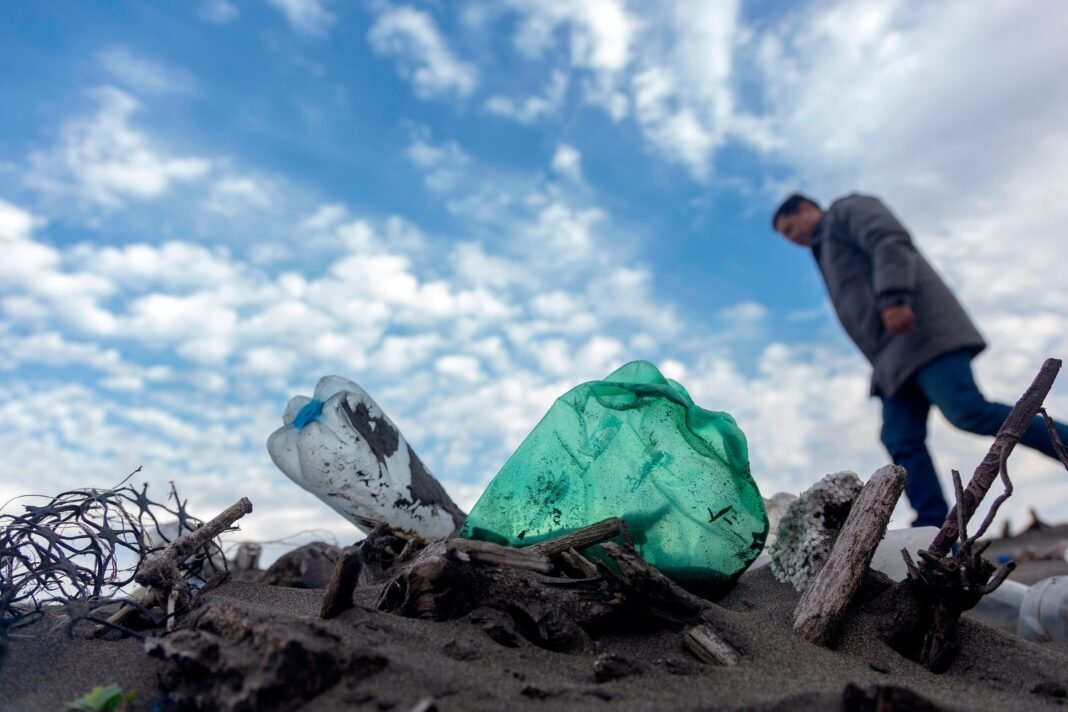
Mapping Plastic Bottle Contamination Along Latin America’s pacific Shoreline
Remarkably,a Powerade bottle from 2001 was discovered on Yaya Beach near Lima,Peru,while a coca-Cola bottle dating back to 2002 surfaced on Robinson Crusoe Island within Chile’s world Biosphere Reserve. Thes items rank among the oldest plastic debris documented during an extensive investigation into coastal pollution.
Unveiling Regional Pollution Trends Through Extensive Research
This pioneering study covered more than 12,000 kilometers of coastline across ten countries bordering the Pacific Ocean in South and Central America. Driven by a citizen science initiative involving upwards of 1,000 volunteers and leaders from over 70 organizations, it represents the first large-scale analysis focusing specifically on plastic bottle pollution throughout this vast region.
The data highlights that Central american countries-particularly El Salvador, Nicaragua, and Guatemala-experience the highest levels of plastic bottle contamination. This is largely due to dense coastal populations combined with elevated consumption rates of beverages packaged in plastic and insufficient waste management systems.
Domestic Production as the primary Source of Coastal Plastic Waste
Around 60% of identifiable bottles originated locally within Latin America’s Pacific basin. Most were produced by regional bottling companies affiliated with global giants such as Coca-Cola, PepsiCo, and Aje Group. In total, researchers cataloged bottles representing over 350 brands manufactured by more than 250 companies.
By carefully examining labels and cap markings for manufacturing dates and origins,scientists traced how individual bottles traveled before washing ashore or being found in urban environments along these coastlines.
The Influence of Islands on Transoceanic Plastic Movement
While continental beaches predominantly contained locally made products, island shorelines like those at Rapa Nui (Easter Island) or the Galápagos Islands revealed notable quantities of Asian-manufactured bottles marked with Chinese or Japanese characters. Ocean currents combined with maritime shipping routes likely facilitate this long-distance transport across oceans.
A visual portrayal from the research illustrates pathways through which plastic bottles reach Latin America’s Pacific shores.
Marine life Colonizing Floating Plastics: An Ecological Concern
Bottles collected frequently hosted epibionts such as barnacles, bryozoans, and mollusks that attach themselves to drifting surfaces. The degree of biological colonization correlated strongly with how long plastics had remained afloat; older debris exhibited heavier growth alongside visible signs like discoloration and fragmentation.
This biofouling raises ecological alarms because invasive species may be introduced into sensitive ecosystems when these plastics wash ashore on protected islands like Galápagos or Rapa Nui-a threat underscored by researchers given potential impacts on native biodiversity yet to be fully understood.
The Human Element: Consumption Patterns Driving Pollution Growth
An vital factor fueling increased plastic waste is rising consumption linked to warming temperatures in tropical coastal regions. Since early 2000s average annual temperatures have climbed approximately 0.8°C in parts of Central America’s coastlines; residents increasingly rely on bottled beverages for hydration amid intensifying heatwaves.
This trend also reflects systemic challenges: limited access to safe drinking water compels many communities throughout Latin America to depend heavily on single-use bottled water despite its environmental toll-a pattern mirrored globally where nearly two billion people lack safely managed drinking water services according to recent international assessments.
Plastic Bottles Reveal More Than Just Waste-they Tell Stories
- beverage packaging dominance: Soft drink containers constitute most discarded plastics found along shores;
- Date visibility: Over half displayed clear production dates aiding source tracing;
- Sustainability shortfall: Absence of widespread returnable container programs worsens accumulation;
- Cultural influences: Climate-driven consumer preferences increase demand for bottled drinks;
- Ecosystem risks: Marine organisms hitch rides via floating plastics spreading invasive species;
- Lackluster infrastructure: Insufficient recycling facilities hamper effective waste management near vulnerable coasts;
- An example includes community-led beach cleanups removing tons annually but facing hurdles without comprehensive policy support.
Tackling Coastal Plastic Pollution: Pathways Toward Solutions
The Revival of Reusable Packaging Systems
The research advocates reinstating standardized returnable containers across Latin America as a practical solution-echoing practices common decades ago when glass bottles prevailed before disposable plastics became widespread.“Reintroducing reusable packaging could considerably reduce new plastic production,” a lead scientist noted.“Past evidence supports its effectiveness.”
pushing Corporate Responsibility And Policy Reform Forward
- Beverage companies must embrace accountability through investments in lasting packaging alternatives;
- Laws promoting deposit-return schemes can boost consumer participation while lowering littering rates;
- Governments require robust regulatory frameworks targeting producers’ environmental footprints rather than relying solely on consumer behavior changes; < li >enhanced solid waste collection systems focused especially around densely populated coastal areas are essential;< / li >
< li >Public awareness campaigns linking consumption habits with ecosystem health can encourage cultural shifts toward sustainability.< / li >
< h2 >Collective Action Is Essential For Progress< / h2 >
< p >With rapid population growth along these shorelines fueling urban expansion-the strain placed upon natural resources intensifies accordingly.< em >“Without global access to potable water,” the researcher cautions,< em >“plastic pollution will escalate as people lack alternatives beyond single-use options.”
< p >< strong >Community involvement remains crucial:< / strong > Mobilizing thousands for beach cleanups has demonstrated that grassroots efforts paired with scientific research can unravel complex environmental issues while empowering local stakeholders toward meaningful solutions.< / p >
< p >< strong >< em >Addressing infrastructural gaps alongside behavioral drivers offers hope for reversing trends threatening both human well-being & marine biodiversity alike.< / em >< / p >