CFTC reinforces Federal Control Over Prediction Markets Amid Rising State-Level Disputes
Federal Oversight vs. state Regulation: The Battle for Prediction Market Authority
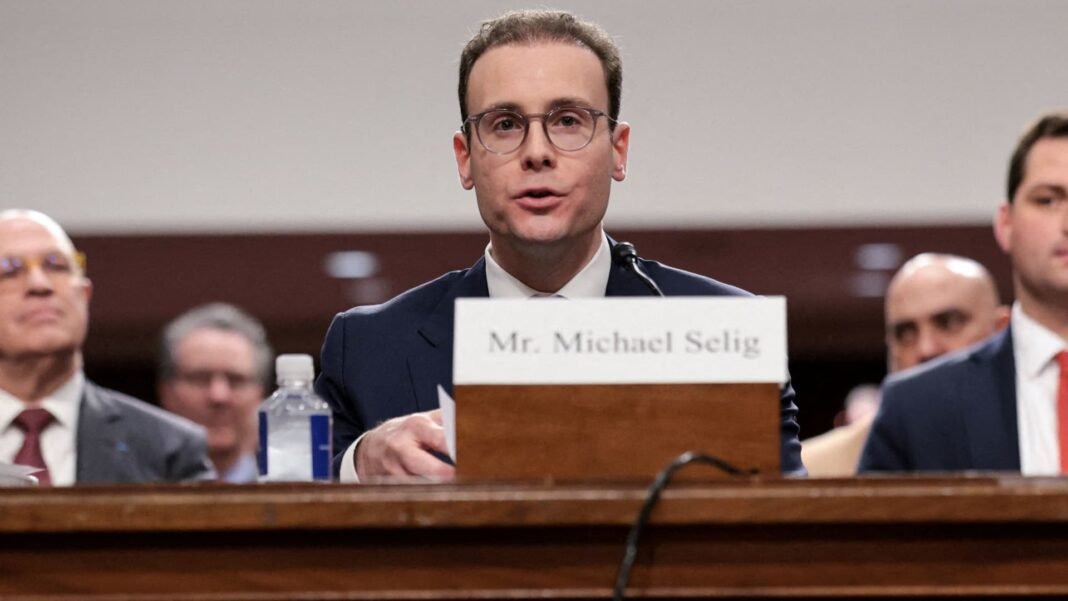
The Commodity Futures Trading commission (CFTC), led by Chairman Michael Selig, is intensifying efforts to maintain exclusive federal oversight of prediction markets. The agency recently submitted an amicus brief in a federal court case, asserting that regulation of these markets should remain centralized at the federal level rather than being fragmented by varying state laws.
Chairman Selig’s Firm stance on Jurisdiction and Market Governance
Chairman Selig has reiterated the CFTC’s longstanding jurisdiction over prediction markets, emphasizing their classification as regulated financial instruments rather than mere gambling products. With nearly 50 active legal disputes involving prediction market platforms nationwide, the CFTC is pushing back against what it views as excessive and inconsistent state-level restrictions.
“States can no longer impose sweeping prohibitions on these innovative financial contracts that fall squarely under our regulatory domain,” Selig asserted.
Legal Controversies Surrounding Platforms Like Kalshi and Polymarket
Prediction market operators such as Kalshi and Polymarket have become central figures in this jurisdictional conflict. These platforms allow participants to wager on diverse outcomes-from geopolitical events to entertainment award results-sparking debate over whether their contracts constitute gambling or legitimate trading instruments. Despite criticism labeling them akin to betting sites, Kalshi maintains strict adherence to federal regulations and differentiates its offerings from traditional wagering activities.
A Forward-Looking Regulatory Strategy Emerges
In his inaugural public address as chairman earlier this year, Selig outlined plans for establishing clearer regulatory frameworks tailored specifically for prediction markets. He also indicated a more strategic approach toward litigation at both district and appellate court levels, underscoring the importance of safeguarding the CFTC’s expertise in commodity derivatives oversight amid evolving market innovations.
The Economic significance of Event Contracts Within Financial Markets
Selig highlighted that event contracts serve critical economic purposes beyond speculation by generating meaningful market signals reflecting collective expectations about future occurrences.these contracts are governed under existing swap regulations enforced by seasoned CFTC staff who ensure transparency and accountability within self-regulatory organizations managing these exchanges.
“These marketplaces operate not as unregulated zones but as carefully monitored venues enhancing overall market efficiency,” he explained.
Courtroom Confrontation: Upholding Federal Authority Against State Challenges
The recent amicus brief was filed supporting Crypto.com during its legal dispute with Nevada’s Gaming Control Board before the Ninth circuit court of Appeals. In a direct message shared via social media platform X (formerly Twitter), Chairman Selig issued a pointed warning:
“We will see you in court.”
this statement reflects an assertive posture aimed at preserving uniform national standards for derivative markets while encouraging innovation within regulated parameters.
The Expanding Landscape: Growth Trends and Regulatory Developments in Prediction Markets
the global popularity of prediction markets has surged dramatically; combined trading volumes surpassed $600 million last year-a figure projected to rise sharply due to growing interest from retail investors seeking choice methods for risk management or expressing forecasts outside conventional stock or commodity exchanges.
- Diverse use Cases: From anticipating outcomes like India’s 2024 general elections to forecasting streaming viewership numbers for major series releases such as “The Witcher” Season 4, event contracts provide unique insights into collective sentiment across various industries.
- Evolving legal Environment: While some states continue imposing restrictive policies citing consumer protection concerns reminiscent of early online sports betting debates prior to widespread legalization as 2018, federal regulators advocate harmonized rules designed to foster fair competition without hindering technological progress.
- User Safeguards: Enhanced transparency mandates introduced by agencies like the CFTC aim at mitigating risks related to manipulation or fraud often associated with unregulated gambling platforms-issues spotlighted during controversies involving crypto-based betting services last year.
A vision Centered on Stability and Innovation in Emerging Financial Products
Selig’s proactive regulatory agenda aligns with broader industry trends seeking equilibrium between rapid technological advancements and robust oversight frameworks tailored for novel financial instruments such as event-based swaps within prediction markets. By reinforcing exclusive federal jurisdiction over derivatives-including emerging categories-the commission aims not only for legal clarity but also heightened investor trust nationwide thru consistent enforcement standards.