Canada-China Trade Relations: Navigating Progress adn Persistent Obstacles
Diplomatic Efforts Amidst Tariff Disputes
Although China continues to enforce a 25% tariff on Canadian pork, Finance Minister françois-Philippe Champagne stresses that cultivating enduring diplomatic relations takes precedence over expecting immediate trade resolutions. This tariff remains in place following Canada’s decision to impose a 100% duty on Chinese electric vehicles, reflecting similar actions taken by the United States.
“Trade challenges of this complexity cannot be resolved overnight,” Champagne stated after concluding his visit to Beijing. “The essential task is to establish foundations and nurture these connections gradually.”
Recent Shifts in Agricultural and Automotive Trade Policies
The trade tensions extend beyond pork products, with China also maintaining tariffs on Canadian agricultural exports such as canola meal. Earlier this year, Canada negotiated an arrangement permitting 49,000 Chinese electric vehicles into its market at reduced tariff rates. In return, China agreed to lower or remove certain tariffs affecting Canadian agricultural goods.
This mutual concession underscores the delicate balance between safeguarding domestic industries and encouraging bilateral commerce amid ongoing geopolitical complexities.
Enhancing Financial Sector Cooperation
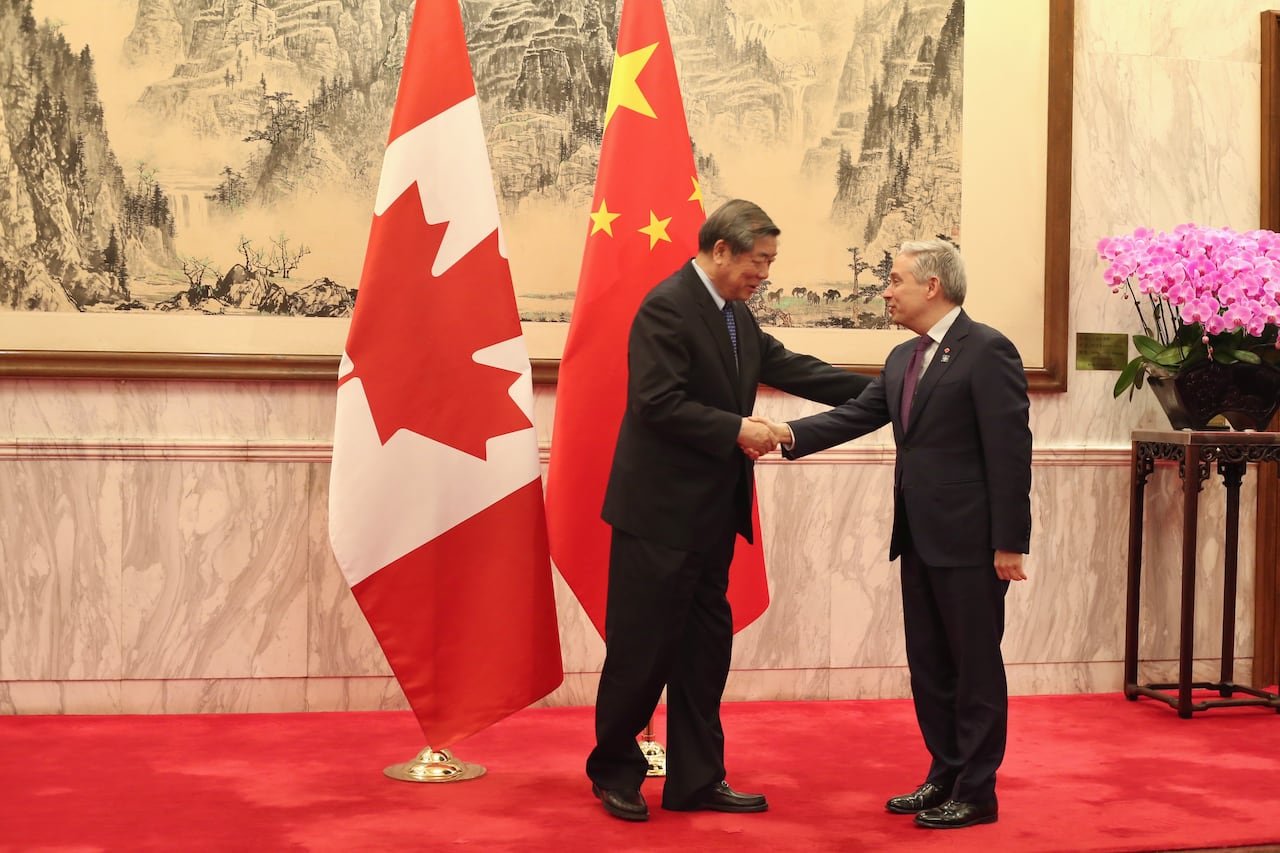
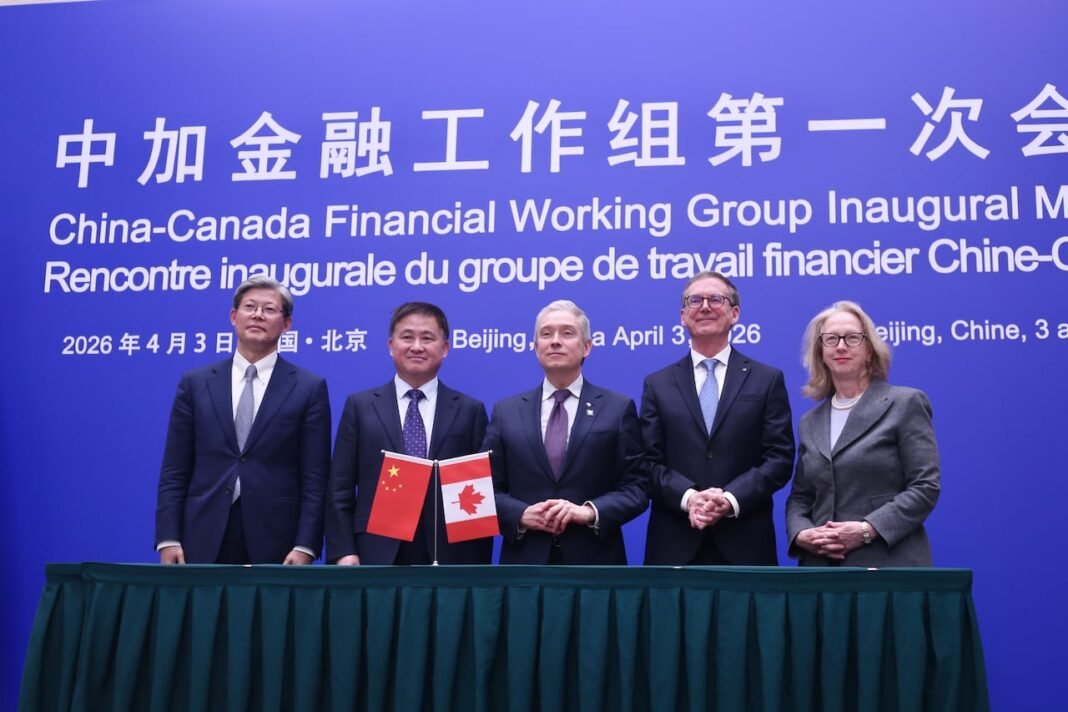
A major focus of Champagne’s trip was advancing collaboration within financial services. Discussions with Chinese Finance Minister Lan Fo’an and Vice-Premier He Lifeng revolved around expanding licensing opportunities for Canadian banks in China and improving access for Canadian investors to Chinese bond markets.
“Robust financial infrastructure is vital for expanding trade,” Champagne explained. “Canadian exporters require dependable financial services tailored specifically for the Chinese marketplace.”
The minister also anticipates an upcoming visit from Vice-Premier He Lifeng to Canada, signaling sustained high-level dialog between both nations.
Commitment to Supply Chain Transparency and Ethical Standards
An important subject during meetings was canada’s dedication to upholding supply chain integrity alongside human rights standards within bilateral trade frameworks. This follows recent parliamentary debates scrutinizing forced labor allegations linked with certain manufacturing regions in China.
“We made it clear that Canada prioritizes transparency throughout supply chains and expects all trading activities comply with international norms,” said Champagne regarding his discussions with Chinese officials.
While he did not provide detailed feedback on China’s response, he noted that Beijing was already well-informed about Canada’s stance due to extensive media coverage domestically prior to his visit.
Tackling Sensitive Human Rights Concerns During Trade Negotiations
The topic of forced labor has sparked controversy recently after Liberal MP Michael Ma questioned evidence related specifically to Shenzhen’s manufacturing sector during a parliamentary committee session-an area known for producing many electric vehicles imported into Canada. Ma later apologized clarifying his remarks were not intended as commentary on Xinjiang’s widely reported abuses against uyghurs but focused solely on concerns tied directly to Shenzhen-based factories.
A Strategic Vision Focused on Long-Term Engagement
“consistent presence is half the battle; trust-building requires time.”
This ideology reflects Finance Minister Champagne’s belief that fruitful engagement with China demands patience rather than rapid transactional fixes or one-off agreements-a view aligned with Prime Minister Mark Carney’s broader strategy emphasizing sustained economic cooperation through relationship-building efforts over time.
Future Prospects: Opportunities Coupled With Challenges
- pork tariffs remain a important hurdle but are part of wider negotiations involving multiple sectors including seafood exports still awaiting resolution;
- The growth of financial service collaborations could open new pathways for Canadian companies aiming at one of the world’s largest economies;
- Sustained conversations about human rights demonstrate Canada’s commitment toward ethical trading practices while carefully managing diplomatic sensitivities;
- Bilateral visits by senior officials highlight ongoing efforts toward mutual understanding despite complex geopolitical dynamics impacting global supply chains today;
The Broader Global Context Impacting Canada-China Relations
The global merchandise trade surroundings has experienced slower growth recently due largely to inflationary pressures worldwide; however, China remains canada’s second-largest trading partner after the United States according to recent data showing annual exchanges exceeding $110 billion CAD across goods and services (2025 figures). Navigating this critical relationship thoughtfully will be essential given evolving international economic conditions shaped by post-pandemic recovery trends alongside shifting alliances within Asia-Pacific markets.