Chicago Fed President Urges Prudence Amid Incomplete Inflation Data
Data Shortfalls Challenge Inflation Assessment During Government Shutdown
austan Goolsbee, head of the Federal Reserve Bank of Chicago, has expressed caution about advancing further interest rate reductions amid a significant gap in inflation data caused by the ongoing federal government shutdown. While he generally supports a gradual easing of monetary policy, he stressed that the absence of up-to-date price statistics complicates efforts to gauge inflation trends accurately.
Delayed Inflation Metrics Cloud Economic Outlook
The labor market often provides swift signals when economic conditions shift; however, Goolsbee pointed out that inflation indicators typically emerge with a delay. This lag in critical pricing data makes him reluctant to implement aggressive rate cuts based solely on recent short-term signs suggesting that elevated inflation might be fleeting.
“If inflationary issues are developing beneath the surface, it could take months before they become apparent,” Goolsbee remarked. “Employment changes show up almost immediately,but price pressures can remain hidden for some time. This uncertainty advises against front-loading rate reductions and assuming high inflation will simply dissipate.”
Labor Market Remains Resilient Despite Price Data Uncertainty
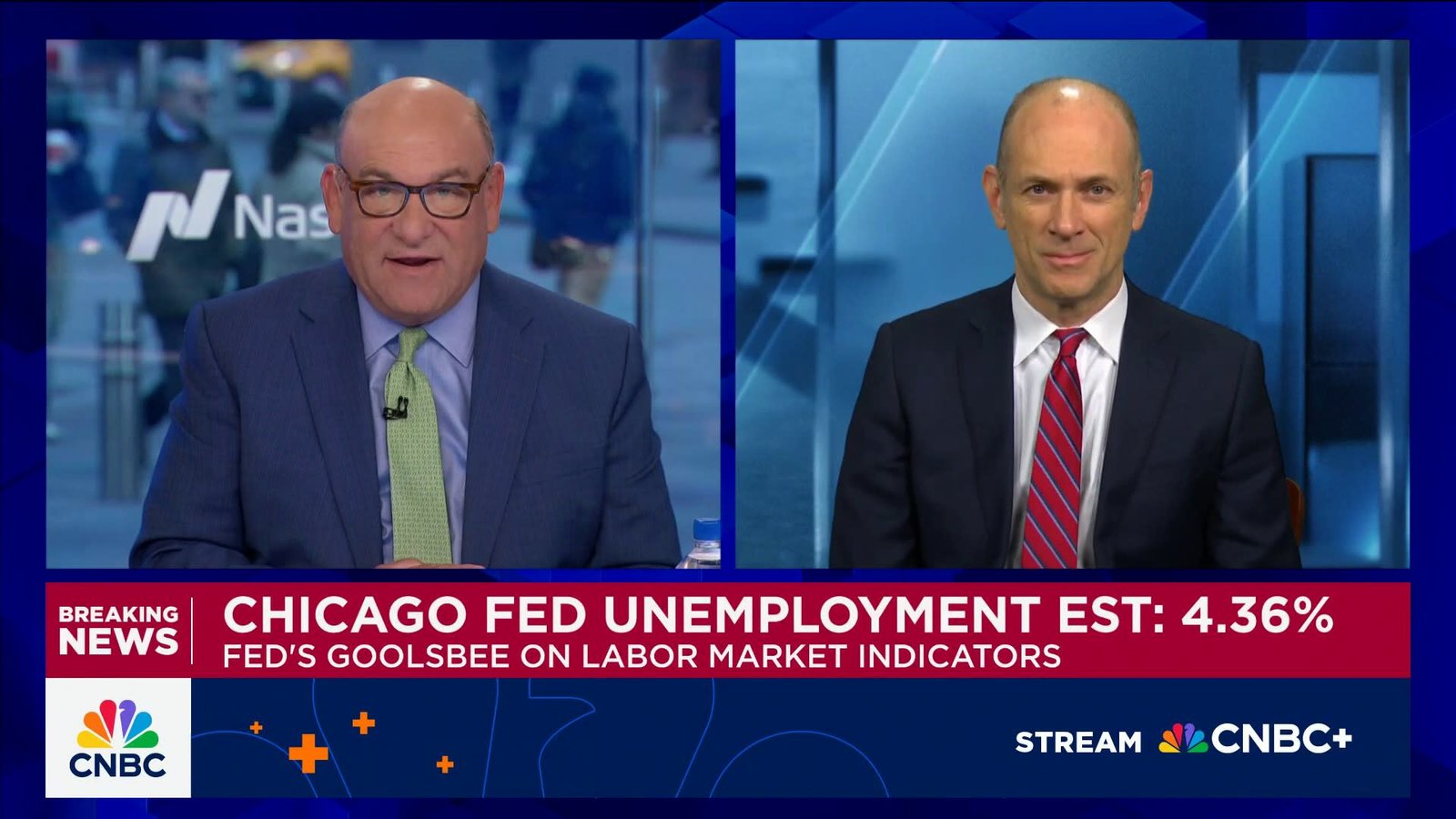
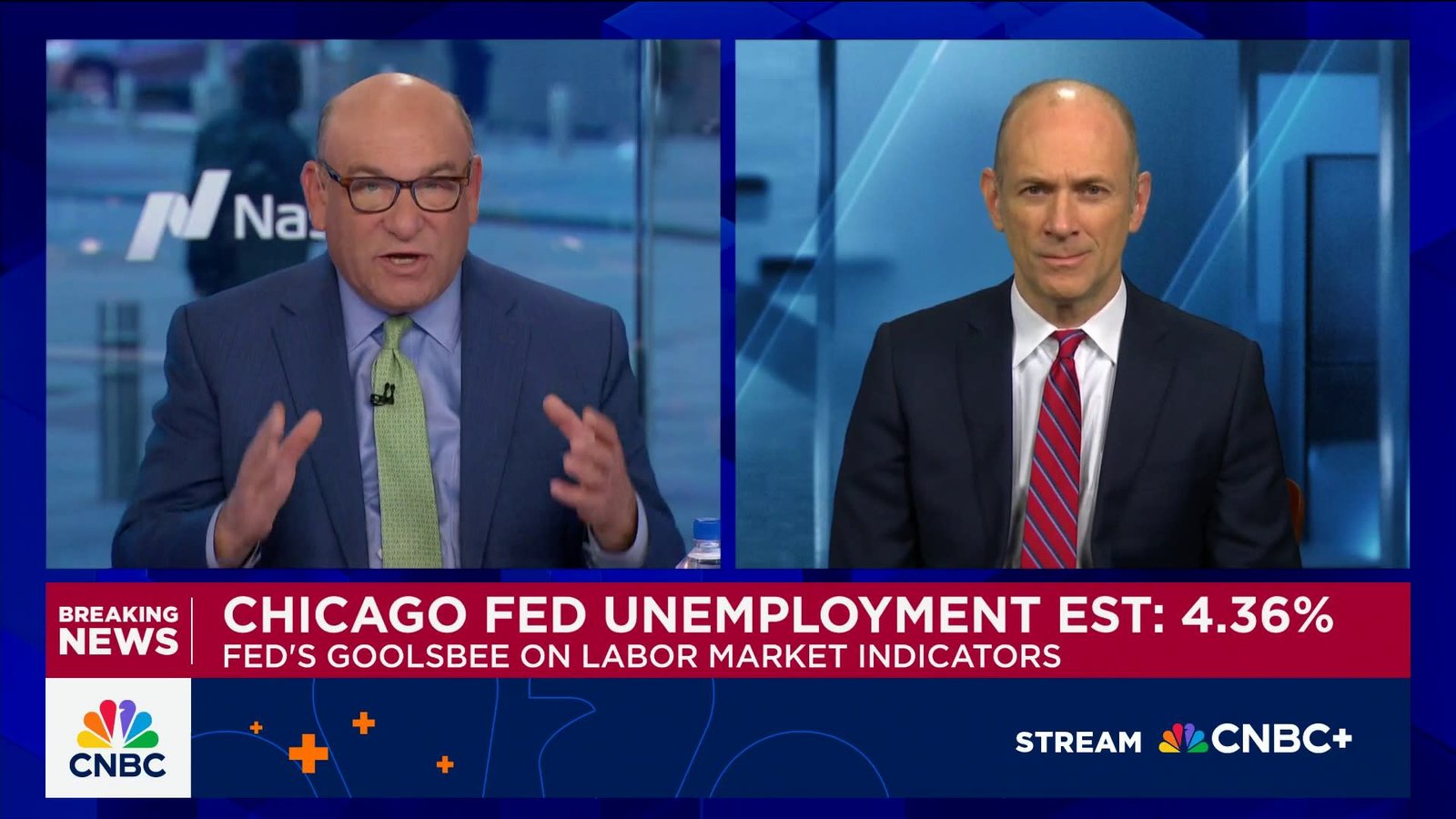
The Chicago Fed’s latest labor market dashboard indicated stable employment levels for October, with unemployment holding steady at approximately 4.37%, only slightly above September’s 4.35%.Hiring and layoffs appeared balanced according to their metrics.
Meanwhile, key consumer price index (CPI) figures for October have been postponed indefinitely due to federal agency closures linked to the shutdown. The Bureau of Labor Statistics was able to release September’s CPI report-vital for Social Security cost-of-living adjustments-which revealed an annualized inflation rate near 3%, exceeding the Federal Reserve’s 2% target.
Monetary Policy Decisions Hampered by Missing PCE Data
The Commerce Department’s schedule for releasing personal consumption expenditures (PCE) price indexes-the federal Reserve’s preferred gauge-is also uncertain until full government operations resume. This lack of extensive pricing data is notably concerning given that core PCE inflation (excluding food and energy) had been running around 3.5% annually over the three months prior to these disruptions.
Cautious Monetary Strategy Advised Amid Ambiguous Signals
Despite these challenges, Goolsbee remains hopeful that interest rates will trend lower over time but advocates a careful approach during this period marked by incomplete economic information.
“In times when visibility is limited-when economic signals are foggy-it is wise not to rush decisions,” he said. “I am not inclined toward aggressive tightening in the medium term.”
Upcoming Voting Role in Federal Open Market Committee Meetings
This December, Goolsbee will serve as a voting member at the Federal Open Market Committee meeting where additional interest rate moves might potentially be discussed following two consecutive cuts earlier this year. He will then transition into an alternate voting role throughout 2026 before regaining full voting status in 2027.