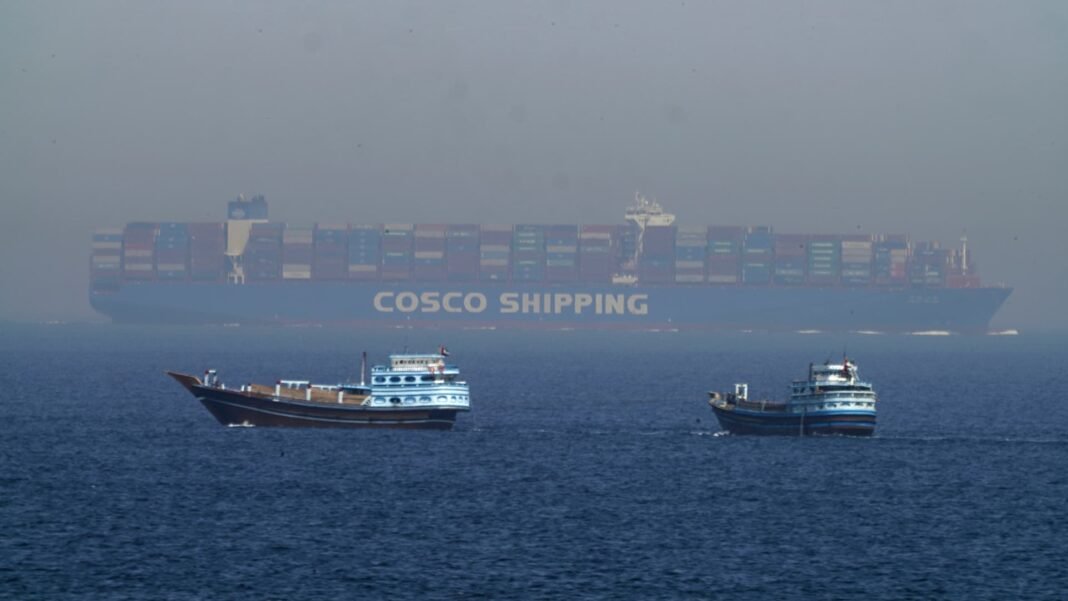
Escalating Oil Costs from Iran Conflict Disrupt Prices of China-Made products in the U.S.
Middle East Tensions Trigger Supply Chain Challenges
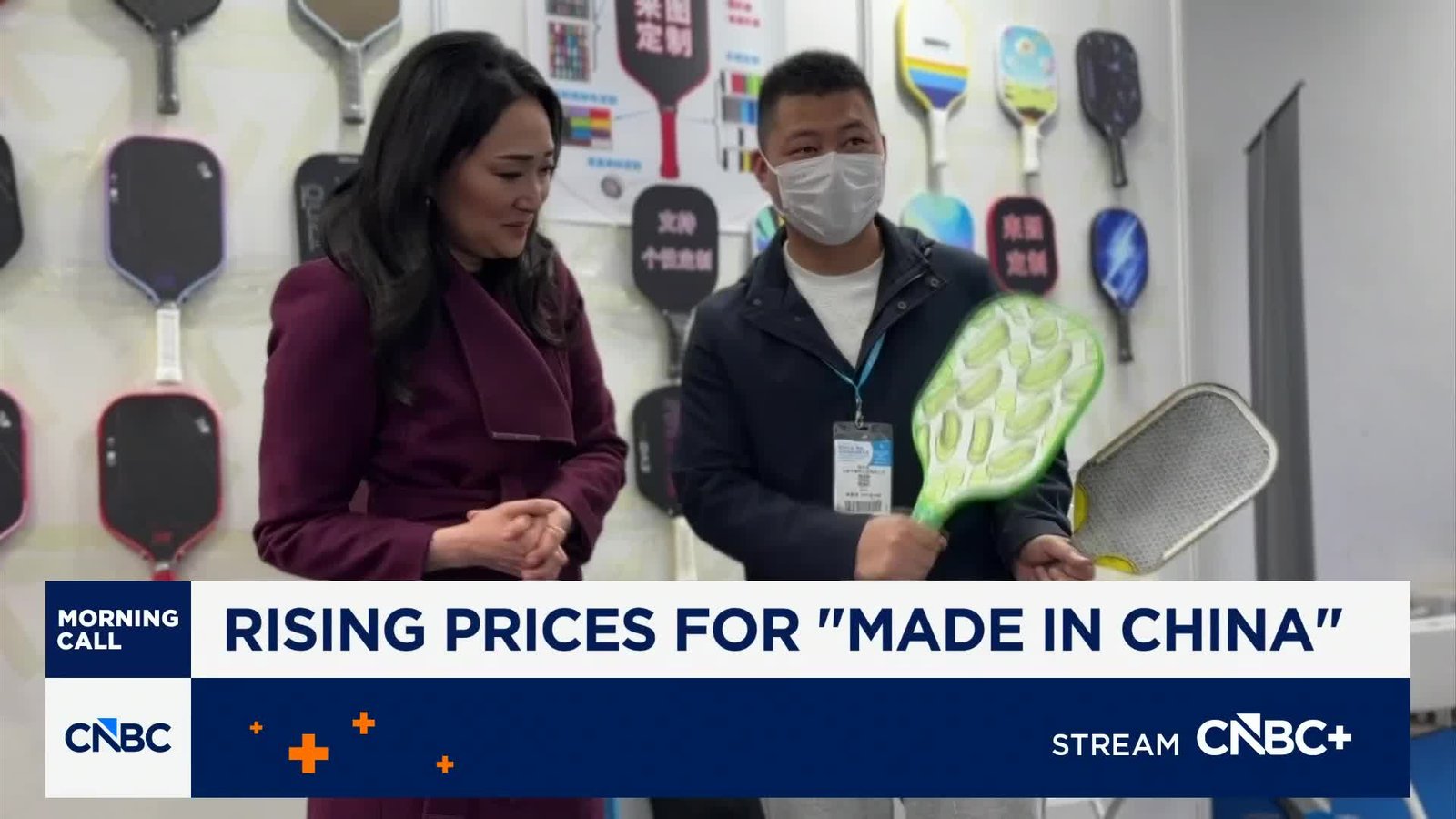
The ongoing turmoil involving Iran and the partial closure of the Strait of Hormuz-a critical artery for global oil shipments-has sent ripples through international energy markets.This disruption is directly impacting manufacturers dependent on petroleum-based raw materials. at a recent trade exhibition held at Beijing’s China international exhibition Center, Devi wei, founder of Huijin Trade and producer of pickleball paddles, disclosed that these supply interruptions are forcing meaningful price increases on products destined for American consumers.
“American customers should prepare for higher costs,” Wei remarked, noting that expenses related to his polypropylene paddles and pickleballs have surged by nearly 20% due to fluctuating oil prices tied to geopolitical instability.
Petrochemical Price Surges Affect Manufacturing Sectors
Polypropylene-a plastic derived from crude oil-is integral to many Chinese exports. given the Middle East’s pivotal role as a supplier, any disruption at strategic points like Hormuz can delay shipments and drive up raw material expenses. Numerous manufacturers voiced concerns about ongoing supply chain volatility during the event.
“If this crisis continues unabated, I might be forced to double my product prices,” warned Wei, underscoring how closely energy costs influence manufacturing pricing structures.
Textile Producers Grapple with Rising Costs
James Li, who manufactures scarves containing approximately 30% polyester fiber (a synthetic polymer sourced from petrochemicals), has already raised his prices by 5%. Nearly one-third of Li’s clientele is based in the United States.
“The increase in polyester pricing is unavoidable; we have no choice but to pass it on,” Li explained while attending the exhibition.
toy Industry Faces Raw Material Shortages
Wang Mingming oversees Jinming Gifts, a toy manufacturer heavily reliant on PVC polymers derived from petroleum products. Although he has stockpiled inventory sufficient for two months’ production, Wang remains uncertain about sustaining current price levels if crude oil continues its upward trajectory.
“PVC is essential and irreplaceable for our toys,” Wang stated. “Further cost hikes will compel us into tough decisions.”
The Wider Economic Fallout: Industry Competition and Consumer Effects
Cameron Johnson, senior partner at Shanghai-based supply chain consultancy Tidalwave Solutions, forecasts intense competition among industries dependent on petrochemical inputs if disruptions persist beyond May. He expects sectors such as automotive manufacturing and healthcare will receive priority access over consumer goods producers due to limited supplies.
“A prolonged blockage could cause shortages across multiple industries with no clear end in sight.”
This situation not only threatens product availability but also impacts global consumer behavior as rising energy costs reduce disposable income available for non-essential imports like recreational sports equipment or fashion accessories made in China.
The Consumer Burden: Reduced Spending Power Leads to Higher Retail Prices
Wei highlighted how escalating fuel expenses tighten household budgets worldwide:
“When families allocate more money toward gasoline or heating amid these price surges, they inevitably cut back spending elsewhere-including purchasing fewer pickleballs.”
Key Takeaways: How Iran conflict-Driven Oil Price Increases Are Restructuring Global Trade Expenses
- The conflict involving Iran has disrupted traffic through the Strait of Hormuz-the route responsible for nearly 20% of seaborne global oil transport-resulting in crude prices climbing above $100 per barrel again after earlier fluctuations this year.
- This spike inflates costs for petrochemical-derived materials such as polypropylene widely used by Chinese exporters supplying U.S markets across categories including sports equipment (pickleball paddles), textiles (polyester scarves), and toys (PVC figurines).
- If tensions continue into late spring or summer without resolution or alternative supply routes established swiftly enough, manufacturers warn that price increases could perhaps double while some products face shortages due to raw material scarcity amid competing industrial demands prioritized globally by governments.
- The ultimate financial strain falls upon consumers whose discretionary spending power diminishes amid soaring energy bills-forcing companies exporting petroleum-dependent goods either absorb losses or considerably raise retail prices within America’s competitive marketplace.