Parliament to Decide on Health-Care Access for Asylum Seekers
The House of Commons is preparing to vote on a Conservative motion urging the Liberal government to reevaluate health-care provisions for asylum seekers, particularly aiming to restrict benefits for those whose refugee claims have been denied.
Conservative Motion Proposes Limiting Benefits for Denied Refugees
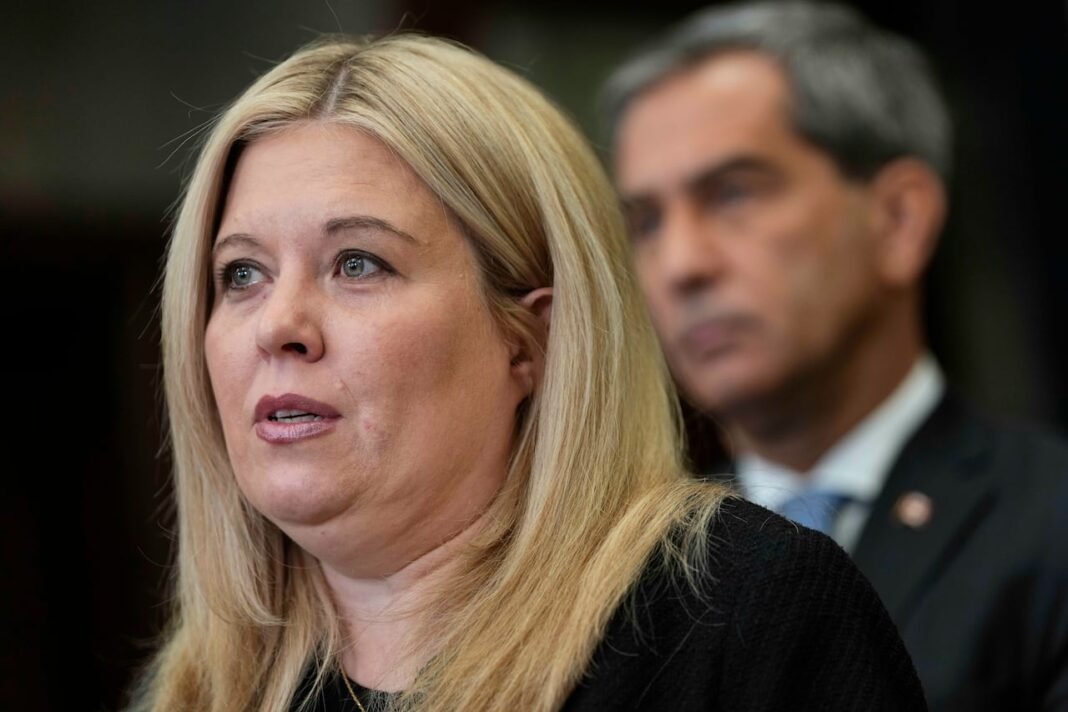
Conservative MP Michelle Rempel Garner has put forward a motion requesting a thorough review of the Interim Federal Health Program (IFHP), which currently provides medical coverage to refugees and asylum claimants. The proposal suggests confining health services for individuals with rejected claims strictly to emergency and life-saving treatments.
Rempel Garner contends that some failed claimants receive more extensive health benefits than many Canadian residents, especially in areas like dental care, vision support, and mobility aids-services not universally covered by provincial public healthcare plans.
The Range of Services Covered by IFHP
The IFHP offers essential medical care including hospital stays, physician visits, ambulance transportation, and diagnostic procedures such as blood tests and imaging scans. Beyond these core services, it also covers urgent dental work and mental health counseling when necessary.
This program extends its assistance internationally by providing vaccinations and medical support to approved refugee claimants before their arrival in Canada.
Rising Costs Fueled by Surge in Asylum Applications
A major driver behind escalating IFHP expenses is the sharp increase in asylum requests over recent years. In 2020, around 19,000 claims were submitted; this figure skyrocketed nearly tenfold by 2024 with over 190,000 applications filed. Even though there was a decline last year-with approximately 83,000 claims from January through september-the backlog remains significant at close to 300,000 unresolved cases.
This accumulation contributes considerably to ongoing expenditures since many applicants continue accessing taxpayer-funded healthcare while awaiting decisions-even if their applications are ultimately refused or invalidated.
Financial Outlook indicates Continued Growth in Spending
The Parliamentary Budget Officer reported that IFHP costs surged from $211 million in fiscal year 2020-21 up to $896 million projected for 2024-25 due both to increased numbers of beneficiaries and rising per-person expenses. Forecasts estimate annual spending could approach $1.5 billion before the decade ends.
Although growth rates are expected to slow-from an average yearly increase near 34% down toward just above 11% between now and 2030-the expanding demand continues placing pressure on federal resources dedicated exclusively toward refugee healthcare coverage.
“This is an administrative problem rather than an issue with refugee healthcare,” remarked NDP MP Jenny Kwan during parliamentary discussions.
New Copayment Measures Target Cost Control Starting May
A copayment system will be introduced beginning May 1st requiring recipients under IFHP coverage pay $4 per eligible prescription plus cover roughly thirty percent of other supplemental service costs. Additionally,individuals who abandon or withdraw their refugee applications may lose eligibility entirely under these updated rules designed partly as cost-containment strategies.
Legislative Reforms Aim at Combating Fraud While Safeguarding Genuine Refugees
The Immigration Minister emphasized elements within Bill C-12 intended to accelerate rejection processes against fraudulent or baseless asylum requests without undermining protections afforded genuine refugees fleeing persecution abroad. These reforms seek both effective border security management while alleviating strain caused by illegitimate filings clogging immigration systems nationwide.
A Historical Context: Revisiting Past cuts on Refugee Healthcare Benefits
this Conservative initiative recalls policies implemented during Stephen Harper’s tenure when most supplemental benefits were removed from refugee health programs except urgent care-a move later overturned after courts deemed it “cruel” treatment toward vulnerable populations seeking refuge in Canada.
the previous restrictions eliminated access not only based on claim status but also targeted applicants originating from countries considered safe-limiting prescriptions along with dental and vision care until legal challenges restored full service following Liberal electoral victory in 2015.
Court Decisions & Public Backlash Against Restrictive Policies
Court rulings condemned those reductions as violations of humanitarian principles; similarly Canadian medical associations alongside advocacy groups voiced strong opposition citing harmful effects on refugees’ well-being amid already challenging resettlement conditions.
Current critics warn that reinstating similar limitations risks repeating past errors broadly rejected across society despite political changes since then.
Divergent Political Perspectives Shape Ongoing Debate Over Refugee Healthcare Policy
- Conservative viewpoint: Emphasizes fiscal responsibility amid soaring program costs linked directly with record-high numbers of asylum seekers awaiting adjudication;
- Liberal response: Prime Minister Mark Carney highlights progress controlling immigration flows including recent declines seen across student visas (down approximately 60%) & temporary foreign worker permits (reduced about half), reaffirming commitment toward accessible healthcare;
Navigating Compassionate Care Within Enduring Systems remains Challenging
< p >The conversation about how best deliver equitable yet financially sustainable healthcare continues amid shifting migration trends worldwide-mirroring global challenges where nations balance humanitarian duties alongside budgetary pressures intensified post-pandemic recovery efforts . < h2 >Final Thoughts: Balancing Ethics And Economics In Asylum Seeker Health Benefits
< p >Canada’s strategy regarding provision of health-care support within its immigration framework remains complex-requiring nuanced policymaking informed both by data-driven insights into program usage patterns plus respect for human dignity inherent among displaced populations seeking safety here .