How Blueberry Prescriptions Are Transforming Heart Health in Older Adults
At dalhousie University, an innovative research project is exploring the effects of personalized health strategies-specifically daily blueberry intake-on improving cardiovascular function and reducing frailty among seniors. This study supports the growing movement of food prescribing, which aims to enhance access to nutritious foods for at-risk groups.
Reimagining Nutrition: Blueberries as a Therapeutic Tool
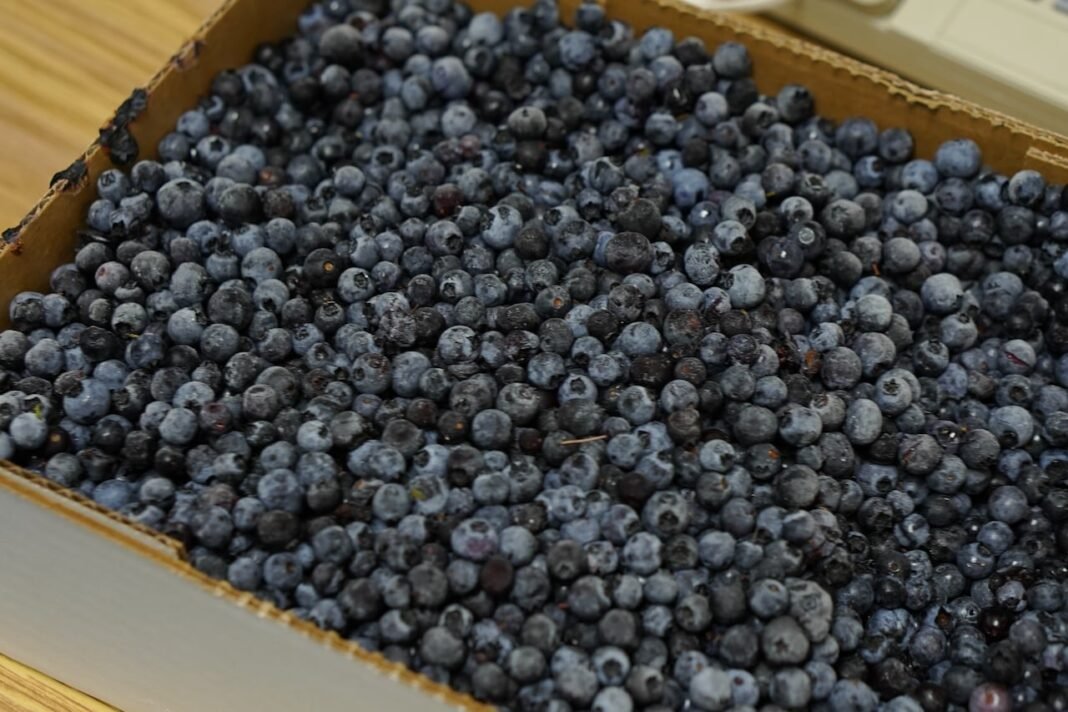
Sixty-seven-year-old Halifax resident Jim Grove has adopted a unique health routine: consuming one cup of blueberries every day for twelve months. Over this period, he estimates having eaten more than 40 pounds of wild blueberries sourced from Nova Scotia’s local farms.
Participants like Jim undergo comprehensive physical and cognitive testing-including memory assessments and mobility evaluations-and receive biweekly deliveries of frozen blueberries from the research team. Alongside this fruit regimen, they consume 30 grams of protein powder daily and participate in customized exercise sessions three times per week.
the STRONG Trial: Structure and Objectives
This initiative is part of Dalhousie’s STRONG clinical trial involving 240 individuals aged 65 or older. Half follow an intervention combining antioxidant-rich blueberry consumption wiht protein supplementation and tailored exercise; the other half continue their usual dietary habits. Participants are assessed quarterly over one year, with a two-year follow-up to track changes in frailty indicators and cardiovascular health metrics.
The project benefits from $1 million in funding provided by a Nova Scotia philanthropic organization dedicated to advancing medical innovation.
The Growing Movement Behind food Prescribing
Food prescribing is gaining traction across Canada as healthcare professionals recognize its potential to address food insecurity while managing chronic illnesses such as heart disease. Instead of relying solely on pharmaceuticals, physicians prescribe fresh fruits or healthy foods that patients can obtain affordably or free-of-charge.
This preventative approach encourages lifestyle changes before illness onset rather than focusing only on symptom management after diagnosis. Registered dietitian Leah cahill notes that although many understand the benefits of fruits combined with physical activity, practical obstacles often hinder consistent adherence; providing both nutritious food supplies and guided exercise programs considerably eases these challenges.
Nutritional Strategies Against Frailty in Seniors
Cahill explains that frailty-a condition marked by diminished strength and resilience-is closely associated with risk factors for heart disease common among Canadian seniors. By enhancing muscle mass through adequate protein intake alongside antioxidants found in blueberries, researchers aim to help participants maintain independence longer while lowering hospital admissions related to cardiac complications.
The Expanding Reach of Food Prescriptions Amid Economic Strain
With inflation driving up living costs nationwide-Statistics Canada reports nearly 40% of Canadians experience moderate-to-severe food insecurity-the appeal for innovative solutions like food prescribing continues rising rapidly.
- A recent national analysis showed recipients receiving prescribed produce packages increased their fruit-and-vegetable consumption;
- this strategy not only improves nutritional outcomes but also addresses social determinants influencing chronic disease management;
- A challenge remains ensuring equitable access since individuals without regular primary care providers may be excluded from such programs;
- Additionally, further rigorous studies comparing effectiveness against existing public health initiatives are necessary before recommending widespread adoption at scale.
Diverse Opinions on Program Implementation Challenges
Mental health professionals caution about potential paternalism when doctors dictate dietary choices instead of empowering patients through direct financial support mechanisms like cash transfers or vouchers. However, advocates argue physician involvement lends credibility that motivates adherence more effectively than community resources alone could achieve.
Pioneering Initiatives Show Promising results Nationwide
The Community Health Center in Guelph has led efforts as 2019 by offering fresh-food prescriptions redeemable via an online grocery platform designed specifically for clients facing severe food insecurity. Their data indicates nearly a 50% reduction in extreme hunger levels along with critically important improvements in diabetes control among over 260 enrolled participants so far.
Sustainability Questions Amid Increasing Demand
Despite encouraging outcomes reported by program leaders such as CEO Melissa Kwiatkowski,reliance on grant funding limits long-term sustainability without government investment plans currently under review proposing $14 million over three years aimed at expanding provincial healthcare infrastructure across Ontario.
A Personal Transformation Through targeted Nutrition and Exercise

Suffering from Type 2 diabetes and arthritis prior to joining STRONG’s blueberry protocol combined with structured thrice-weekly workouts brought noticeable relief within just three months for Jim Grove:
“My joints ache much less now compared to when I turned sixty; adopting these habits feels rewarding rather than burdensome,” he shares optimistically.
“I believe maintaining these improvements will help me age more gracefully.”
The Road Ahead: Embedding Food Prescribing into Routine Healthcare
If trials like STRONG continue demonstrating significant clinical benefits alongside economic advantages compared with conventional treatments alone,food prescribing could soon become standard practice within primary care settings nationwide-revolutionizing how we address nutrition-related challenges amid aging populations facing rising chronic disease rates projected beyond one-third globally by mid-century according to WHO forecasts.