Do Kwon Sentenced to 15 Years for Terraform Labs Cryptocurrency Fraud
Do Kwon, the South Korean founder of Terraform Labs and convicted fraudster, has been handed a 15-year prison term by a federal judge in New York’s Southern District. This verdict represents a pivotal moment in the intensified efforts to combat financial crimes within the cryptocurrency industry.
The Courtroom Proceedings and Sentencing Overview
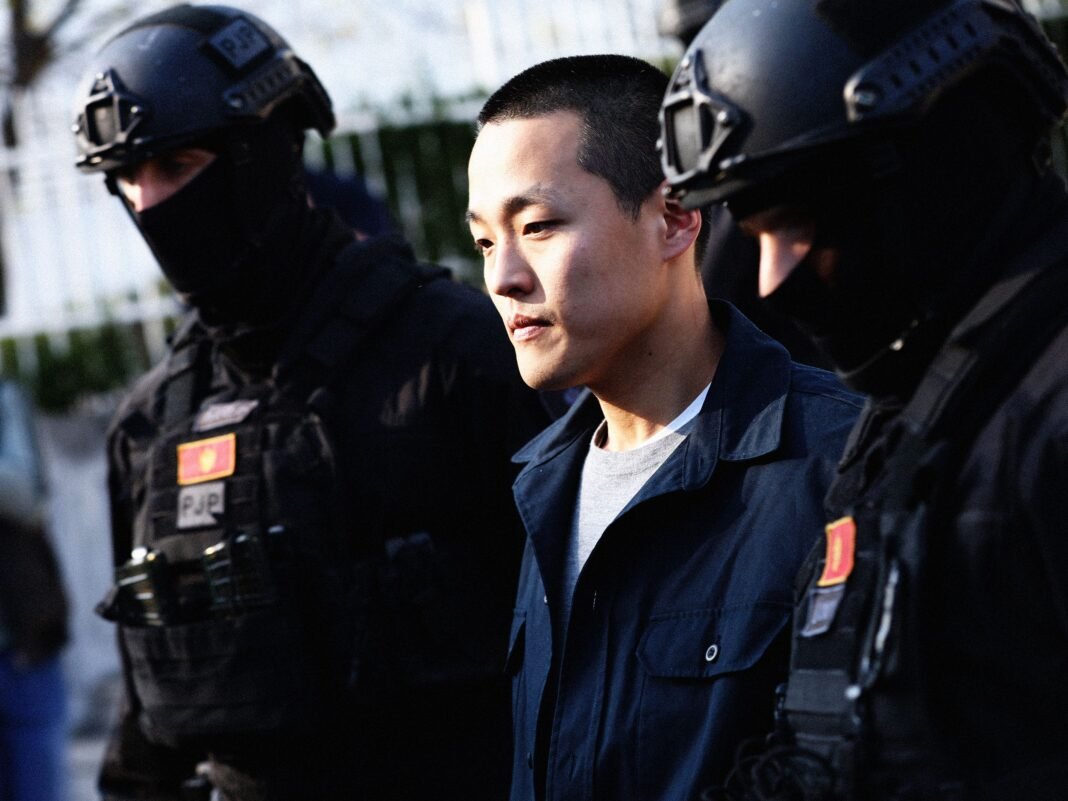
Wearing a bright yellow prison jumpsuit and restrained, Kwon appeared visibly fatigued and gaunt as he was escorted into court by U.S. Marshals. His solemn expression reflected the seriousness of his sentencing after admitting guilt for defrauding investors through Terraform Labs’ crypto ventures.
Kwon acknowledged responsibility for misleading investors who purchased tokens issued by his company. The dramatic collapse of these digital assets in May 2022 erased nearly $40 billion from global markets, sparking widespread chaos across the crypto ecosystem and causing multiple firms to declare bankruptcy.
Prosecutors detailed how Kwon’s deceit permeated almost every facet of Terraform’s operations, emphasizing that his persistent falsehoods inflicted severe financial damage on thousands of victims worldwide.
During sentencing, Judge Paul Engelmayer stressed the importance of deterring future cryptocurrency fraud: “This case will serve as a warning-those who commit fraud like Do Kwon will face harsh consequences.” Although prosecutors initially sought a 12-year sentence, Engelmayer imposed an even stricter penalty to underscore accountability within digital finance.
The Rise and Collapse of TerraUSD: A Modern Financial Cautionary Tale
Kwon co-founded terraform Labs alongside Daniel Shin in 2018. In 2020,thay introduced TerraUSD (UST),an algorithmic stablecoin engineered to maintain parity with the U.S. dollar through its connection with another token called LUNA. The design allowed holders to exchange one dollar worth of LUNA for one dollar worth of UST-and vice versa-intended as an automatic mechanism stabilizing UST’s price if it deviated from $1.
This novel approach attracted significant attention among blockchain enthusiasts; many believed it could succeed where previous attempts at maintaining stablecoin pegs without conventional collateral had failed.
Though, this fragile equilibrium collapsed catastrophically in May 2022 when massive sell-offs caused UST’s value to plummet well below its intended peg. Panic selling ensued as confidence evaporated; both UST and LUNA lost nearly all their market value within days-a devastating event that wiped out billions from investor portfolios globally.
Kwon attempted damage control via social media appeals urging calm while injecting capital into markets but ultimately failed to stop the freefall.This episode stands as one of modern finance’s starkest warnings about algorithmic stablecoins’ vulnerabilities under stress conditions similar to those witnessed during recent global banking crises.
The Domino Effect Across Crypto Markets
- The fallout directly or indirectly triggered bankruptcies at major players such as hedge fund Three Arrows Capital and lending platforms Voyager Digital, BlockFi, and Genesis-all collapsing amid liquidity shortages sparked by Terra’s implosion;
- this chain reaction worsened issues at FTX exchange when lenders recalled loans tied up with FTX-affiliated companies; misuse of customer funds during attempts at concealment deepened insolvency problems leading up to FTX’s notorious collapse later that year;
- The cascading failures highlighted systemic risks inherent in interconnected crypto ecosystems lacking sufficient regulatory oversight or risk management safeguards;
Kown’s Attempted Escape & International Legal Struggles
After these events unfolded, Kwon fled Singapore seeking refuge but was apprehended in Montenegro while traveling on forged documents designed to evade extradition agreements between involved countries-the United States competing with South Korea over jurisdiction rights for prosecution purposes.
Civil proceedings continued against him stateside where regulators held him liable for misleading investors about coin stability before he was eventually extradited months later ahead of criminal trials culminating in his plea agreement with US prosecutors last year.
Plea Agreement Insights: Admission Amidst Denial
Kown admitted guilt specifically acknowledging he misrepresented TerraUSD’s ability to “self-heal” through automated mechanisms purportedly restoring its peg during volatile periods-a claim contradicted privately by arrangements involving third-party traders artificially propping prices rather than genuine market forces acting naturally.
“I deceived many investors into believing UST was less experimental than it truly was,” wrote Kown prior to sentencing reflecting on how his hubris led millions worldwide into catastrophic losses.”
Balancing Character Assessment Against Crime Severity
- the court weighed not only factual evidence but also personal background factors including expressions (or lack) of remorse alongside risk assessments regarding potential reoffending among white-collar criminals like him;
- Court-appointed experts noted judges frequently enough evaluate defendants holistically rather than focusing solely on isolated offenses;
- Kown attempted showing contrition while minimizing full culpability hoping for leniency-but government attorneys emphasized purposeful deception over mere mistakes;
- The scale & impact made mitigation challenging given tens-of-thousands suffered financially worldwide-including individuals facing homelessness or family breakdowns directly linked to investments wiped out overnight due fraudulent schemes disguised under innovation claims;
- An investor testified describing loss of life savings leading spouse filing divorce citing irreversible personal harm beyond monetary damages highlighting human cost behind headlines;
Life After Conviction: Current Status & Future Outlook
Kown is presently held temporarily pending transfer decisions within federal prison systems where he may serve half his sentence domestically before applying for repatriation post-incarceration-but faces renewed prosecution efforts locally seeking sentences possibly exceeding four decades based on overlapping unresolved allegations despite international conviction abroad already established .
“He reportedly spends much time mentally replaying past errors while continuing coding activities even inside jail cells,” defense filings reveal portraying ongoing internal struggle juxtaposed against daily realities faced behind bars.”
Taking Stock: Lessons From A Crypto Meltdown
The saga surrounding Do Kown highlights crucial lessons about transparency risks embedded within emerging decentralized finance models-especially algorithmic stablecoins lacking robust collateral safeguards proven essential amid volatile markets sence early pandemic disruptions affecting trillions USD globally including traditional banking sectors recently shaken prompting accelerated regulatory reforms internationally today more than ever before . Investors must remain vigilant balancing technological promises carefully against practical limitations vividly demonstrated here-where innovation collided recklessly resulting catastrophic fallout impacting millions financially emotionally alike . This landmark case sets precedent reinforcing legal boundaries governing digital asset spaces signaling intensified enforcement actions targeting bad actors exploiting nascent ecosystems vulnerable without adequate oversight mechanisms firmly established yet .