Federal Takeover of D.C. Police Sparks Intense Legal Dispute
Background of the Conflict
The District of Columbia has launched a legal challenge against the federal government, accusing it of unlawfully assuming control over the Metropolitan Police Department (MPD). This lawsuit follows an unprecedented federal intervention that replaced D.C.’s police commissioner with a federally appointed official, igniting debates about local autonomy and federal jurisdiction.
Legal Arguments and Core Allegations
D.C.’s Attorney General Brian Schwalb argues that the federal administration’s actions violate the district’s self-governance rights as established by the Home Rule Act of 1973. The complaint asserts that these moves exceed presidential authority by attempting to override local law enforcement leadership without congressional authorization.
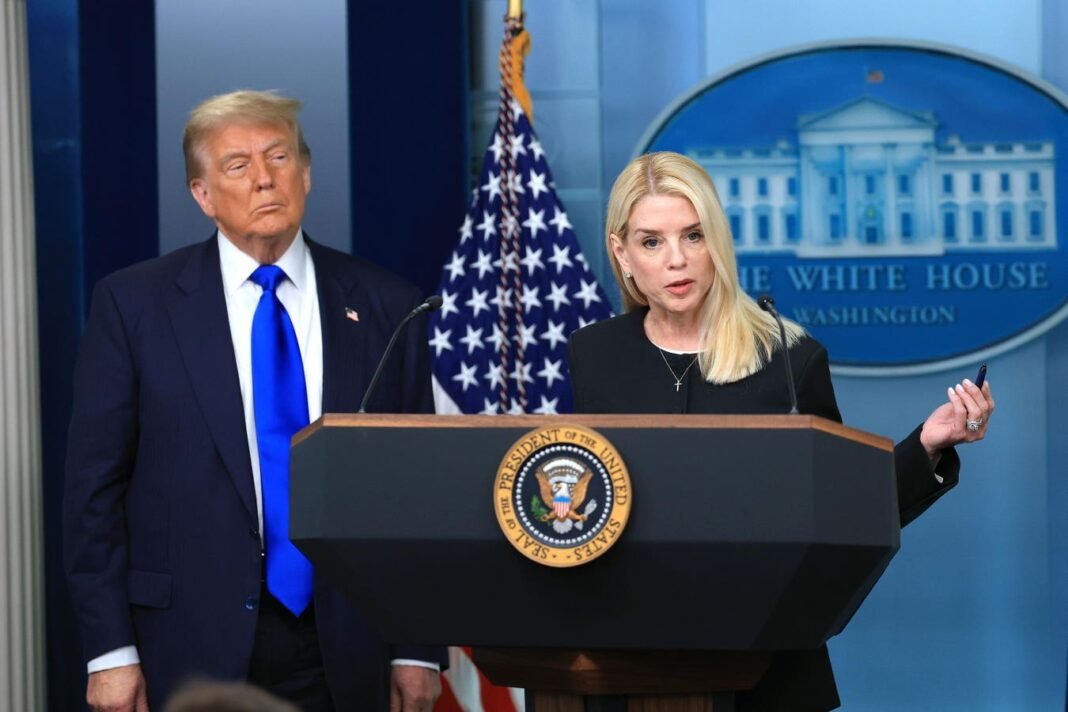
The controversy intensified after U.S. Attorney General Pam Bondi designated DEA chief Terry Cole as an “emergency commissioner” for MPD, requiring all departmental orders to receive his approval. Bondi also revoked several MPD policies, including one governing cooperation with immigration and Customs Enforcement (ICE), citing concerns that existing protocols were to lenient.
Recent Legal Maneuvers and Responses
In reaction to these developments,Schwalb’s office is seeking a temporary restraining order aimed at immediately halting Bondi’s directives. The lawsuit stresses that Congress never authorized displacing police chiefs or overriding operational control within D.C.’s police force-actions now being pursued under disputed interpretations of emergency powers.
A Strong Declaration from Local leadership
“This administration is abusing its limited statutory authority by unlawfully seizing command over MPD,” declared Schwalb in public statements condemning this takeover attempt.
The clash Between Federal Authority and Local Governance
This dispute originates from President Trump’s recent executive order invoking provisions under the Home Rule Act to temporarily assume command over D.C.’s police amid claims concerning rising crime rates and homelessness challenges in Washington, D.C. However, official data reveals violent crime dropped to its lowest level in 30 years last year-a fact complicating assertions about worsening public safety conditions.
The executive action authorized deployment of roughly 800 National Guard troops primarily tasked with safeguarding federal properties and supporting city cleanup efforts rather than engaging directly in law enforcement activities like arrests. Additionally, personnel from agencies such as FBI, secret Service, and DEA have been assigned roles assisting local authorities while addressing issues like homeless encampment removals across downtown areas.
Broader Implications for Other Cities Nationwide
The president has suggested similar interventions could target other major cities led by Democratic officials-including New York City, Chicago, Baltimore, and Oakland-though legal experts emphasize significant constraints outside D.C., where no comparable Home Rule statutes exist. While direct takeovers are improbable elsewhere due to lack of statutory authority, deploying military forces remains legally permissible under separate laws for enforcing federal statutes nationwide.
An Overview of Federal Powers Across Jurisdictions
- D.C.: the Home Rule Act allows presidential intervention during emergencies but requires congressional approval beyond 30 days;
- Cities Outside D.C.: No equivalent laws grant presidents unilateral control over municipal police departments;
- Military Involvement: Troop deployments can be authorized independently but generally focus on maintaining public order rather than managing daily policing operations;
- Judicial Challenges: Lawsuits contesting these actions highlight constitutional tensions between local self-rule versus expanded federal oversight mechanisms;
A National Debate on Executive Power Versus Local Autonomy
This confrontation highlights ongoing struggles between state/local sovereignty rights and growing assertions of executive power within urban policing frameworks-a debate intensified amid nationwide discussions on law enforcement reforms following recent social justice movements across America’s largest metropolitan areas.
A Contemporary Example: State Intervention in Chicago Neighborhoods
A parallel situation occurred recently when Illinois deployed state resources into Chicago neighborhoods experiencing spikes in violent crime; though, unlike Washington’s case-the effort was coordinated through collaborative agreements respecting municipal governance structures rather of unilateral impositions.
The path Forward: Watching Legal Battles Shape Policy Evolution
This lawsuit represents just one episode in what is expected to be a prolonged judicial contest testing limits on presidential influence over city affairs traditionally managed locally-especially regarding policing strategies closely tied to community trust. As courts evaluate constitutional boundaries established decades ago alongside modern urban challenges today,widespread attention will focus on how this precedent might affect future interactions between federal authorities and metropolitan governments throughout the country.