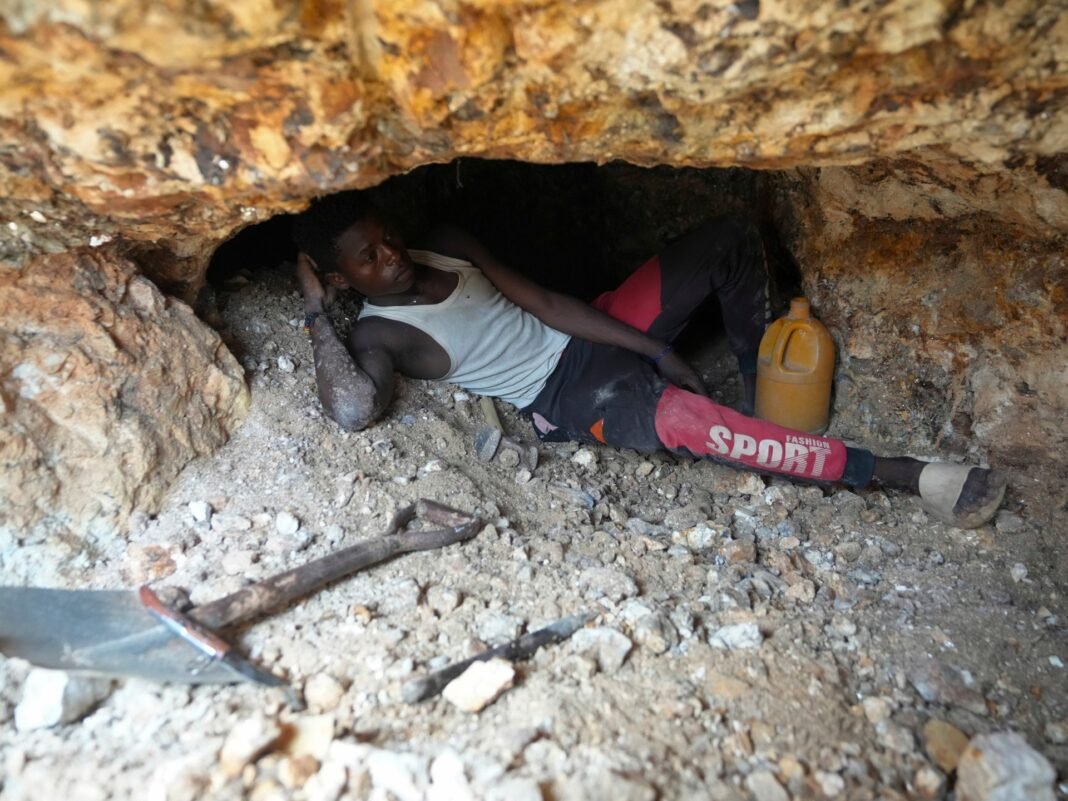
Tragic Carbon Monoxide Poisoning Exposes Hazards of Illegal Mining in Nigeria
Unregulated mining operations in Nigeria continue to endanger lives due to the lack of proper safety protocols and oversight, often resulting in fatal outcomes.
Carbon Monoxide Exposure Claims Numerous lives at Abandoned Lead Mine
In a devastating event in Plateau State, central Nigeria, at least 37 miners succumbed to carbon monoxide poisoning while working inside an unused lead mine. Another 25 individuals were urgently hospitalized after inhaling toxic gases during the incident.
This tragedy took place early Wednesday morning within the Kampani community of Wase Local Government Area. Investigations revealed that dangerous concentrations of poisonous gases had built up inside the deserted mine tunnels, creating a deadly environment for those who entered.
Immediate Actions Taken by Authorities
Following the catastrophe, security forces quickly restricted access points around the affected site to prevent further harm. Nigerian officials have ordered an immediate suspension of all mining activities near this area pending a comprehensive inquiry into what led to this disaster.
The Minister responsible for Solid Minerals highlighted that local residents unknowingly exposed themselves to lethal fumes while attempting unauthorized extraction from tunnels they mistakenly believed were safe but were contaminated with hazardous gas.
The wider Issue: Enduring Risks from Informal Mining Practices
Nigeria’s illegal mining challenges mirror broader trends seen across many African countries where informal mineral extraction frequently circumvents legal regulations and safety standards. Plateau State itself holds historical significance as a mining center-its capital Jos was once dubbed “Tin City” due to abundant tin deposits-yet formal mining has sharply declined over recent years.
This recent calamity recalls similar past events such as last year’s fatal accident in Zamfara State when heavy rains caused rockfalls onto illegal mines,killing at least 18 miners. These incidents highlight persistent dangers faced by communities involved in unregulated mineral exploitation without adequate protections or government oversight.
Africa’s Recurrent Mining Catastrophes: A Continental Challenge
- A landslide-triggered collapse at Rubaya coltan mine in eastern Democratic Republic of Congo recently resulted in approximately 200 deaths. Situated about 60 kilometers northwest of Goma city, this mine accounts for nearly 15% of global coltan production-a vital mineral used extensively in electronics manufacturing including smartphones and aerospace technologies.
- This pattern underscores how both licensed and illicit operations remain vulnerable due to environmental instability combined with weak enforcement of safety measures throughout resource-rich regions on the continent.
The Critical Imperative for Stronger Regulations and Public Education
The repeated loss of life linked with unsafe mining practices emphasizes an urgent need for reforms within Nigeria’s solid minerals sector. Enhancing governmental monitoring frameworks alongside raising awareness among local communities about inherent risks could significantly reduce fatalities caused by toxic gas exposure or underground collapses.
“Extracting mineral wealth must go hand-in-hand with strict health safeguards; failure to do so will only perpetuate tragedies like these.”