Decoding the Economic Dimensions of the Russia-Ukraine War
The Overwhelming Financial Impact on Ukraine’s Future
As the conflict between Russia and Ukraine extends beyond three years, Ukraine faces not only relentless military assaults involving drones, artillery, and armored units but also a devastating economic crisis.Reconstruction expenses are estimated to reach nearly $600 billion-almost triple Ukraine’s annual GDP-if peace is achieved soon. This immense financial strain underscores the long-term challenges awaiting post-war recovery.
From Battlefields to Balance Sheets: The Rise of Economic Warfare
While fierce fighting continues in eastern and southern regions of Ukraine, an equally intense economic confrontation unfolds between Russia and Western powers. Unlike static frontlines on Ukrainian soil, this economic struggle evolves rapidly through sanctions, trade restrictions, and asset freezes that could ultimately determine the conflict’s outcome.
Navigating misinformation: Clarifying Economic Realities Amid Propaganda
The true state of affairs remains clouded by disinformation campaigns designed to distort perceptions globally. To understand what lies ahead, it is indeed crucial to dispel three common myths surrounding Russia’s economy and Western countermeasures.
Myth 1: Russia Can Sustain Its Economic losses Indefinitely
Despite official claims projecting resilience at any cost,Russia suffers notable financial setbacks. A major blow has been losing Europe as its primary natural gas customer. Before 2022, Russian exports supplied about 150 billion cubic meters (bcm) annually to European markets; today that figure has dropped below 40 bcm.
This sharp decline equates to revenue losses exceeding €30 billion ($35 billion) per year based on current European gas prices-and will deepen as EU countries plan a full phase-out of Russian gas imports by next year.
Moreover, approximately $335 billion in Russian sovereign assets remain frozen worldwide. even though Moscow contests these sanctions legally in attempts to deter Kyiv’s allies from using these funds for defense support, internal indicators suggest many frozen assets are effectively inaccessible indefinitely.
The national Wealth Fund-the Kremlin’s domestic reserve-is rapidly diminishing due to record withdrawals earlier this year and risks depletion before year-end unless oil prices surge dramatically. While defense industries show some robustness amid increased military spending efforts, high borrowing costs combined with workforce reductions caused by casualties continue draining broader sectors of the economy.
Myth 2: The United States Has Eased Off Sanctions Pressure Against Russia
Contrary to assertions that Washington has relaxed its stance or softened sanctions enforcement for diplomatic reasons following previous political overtures toward Moscow-the U.S. continues imposing strict punitive measures targeting critical sectors such as oil exports.
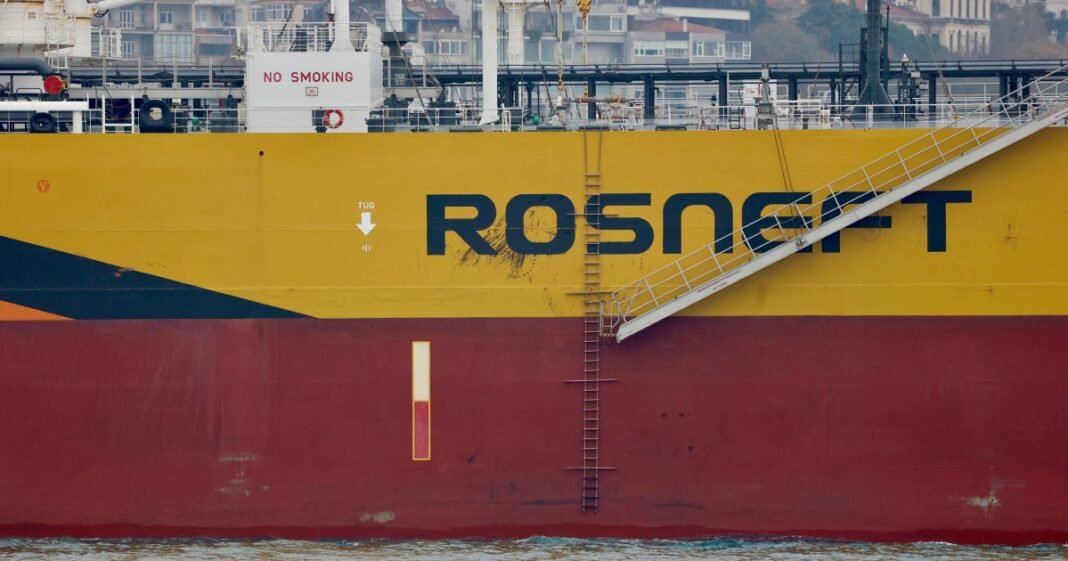
The October sanctions against Rosneft and Lukoil-the two largest Russian oil producers-have disrupted their ability to sell crude internationally. These restrictions have discouraged banks and traders worldwide from engaging with sanctioned entities especially across Asian markets where demand had previously offset losses elsewhere.
A Surplus of Unsold Oil Demonstrates Sanctions’ Effectiveness
- Tens of millions of barrels remain stranded aboard tankers or stored ashore awaiting buyers unwilling or unable due to sanction-related risks;
- This oversupply forces russian crude sellers into offering steep discounts sometimes exceeding $30 per barrel despite Brent crude prices hovering above $70;
- The resulting slowdown undermines Kremlin revenues even as geopolitical tensions keep global energy prices elevated;
- An illustrative case involves Brazil negotiating tariff adjustments while facing EU anti-circumvention measures targeting refineries indirectly linked with sanctioned Russian firms similar in impact to those imposed on Vadinar refinery owned partially by Rosneft;
Myth 3: Europe Must Solely Finance Kyiv Support From Its Own Budget
The European Union debates its twentieth round of sanctions against Moscow while internally struggling over funding mechanisms for Ukrainian aid packages totaling tens of billions annually.A significant untapped resource lies within frozen Russian assets held mainly under EU jurisdiction that could ease budget pressures without increasing taxpayer burdens.
A proposed €90-billion loan facility was agreed upon last December after member states failed previously last year in reaching consensus on directly utilizing seized funds for reconstruction-a debate still open amid ongoing diplomatic stalemates involving Moscow,Kyiv,and Washington.
The Path Forward: Prolonged Conflict With High Stakes Economically
- no immediate diplomatic breakthroughs appear likely as both sides prepare mentally and materially for continued hostilities well into a fifth consecutive year;
- Economic warfare will persist alongside kinetic battles-with potential escalation hinging heavily on Western unity regarding sanction enforcement;
- If decisive actions-including more assertive use or redistribution of frozen assets-are delayed further,the risk grows that concessions may favor Kremlin demands encouraging future aggression rather than lasting peace.
A lasting resolution demands confronting harsh economic truths instead of relying solely on optimistic narratives shaped by propaganda or political agendas alone.