



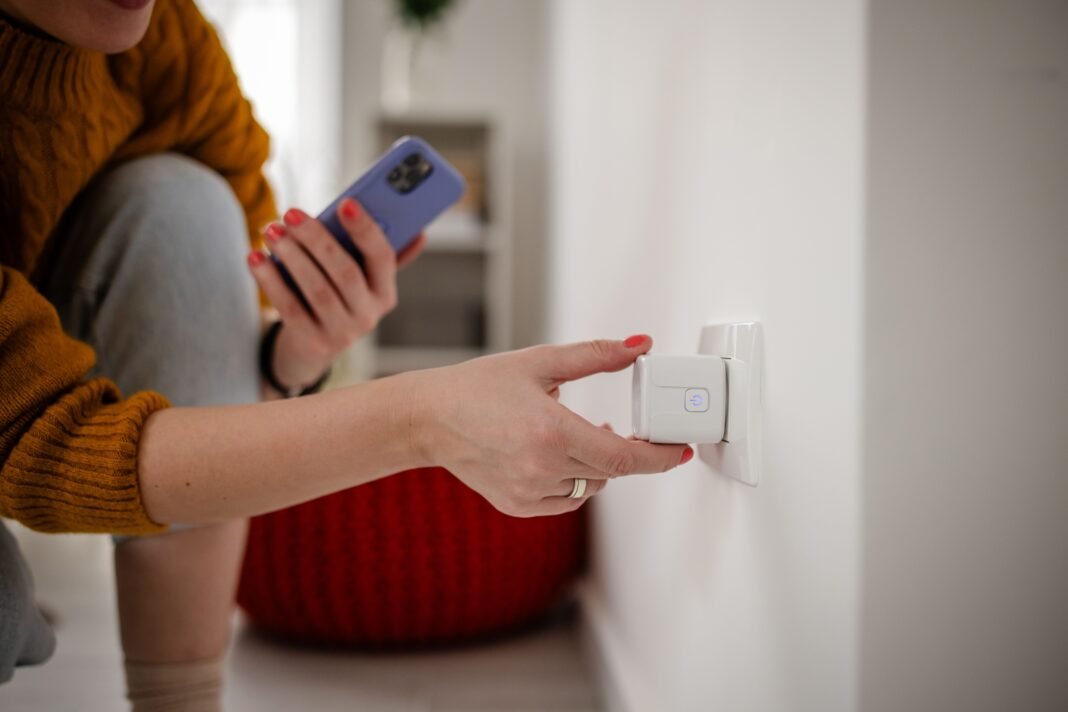

Exploring Thread: The Next Generation of Smart Home Connectivity
Thread represents a cutting-edge wireless interaction protocol designed to interconnect smart home devices through a secure, efficient mesh network. Unlike traditional Wi-Fi, Thread operates with considerably reduced power consumption while delivering swift device interactions. This technology enables products from various manufacturers to form an encrypted, self-sufficient mesh network that functions locally without relying on cloud infrastructure or elaborate configurations.
The Impact of Thread on Today’s Connected Homes
As the smart home landscape rapidly evolves, terms like “Thread” and “Matter” are becoming basic in describing how devices communicate seamlessly. While Matter acts as the universal standard ensuring interoperability across brands, Thread provides the essential networking foundation that allows devices to exchange data directly and reliably. For anyone developing or enhancing a smart home ecosystem now, grasping how Thread operates is crucial for maximizing performance and compatibility.
Understanding How Thread Functions
Thread establishes a low-power wireless personal area network (WPAN) using IEEE 802.15.4 radio technology at 2.4 GHz-similar in frequency to Zigbee but with unique benefits tailored for modern IoT needs. It excels at connecting compact gadgets such as air quality monitors, smart doorbells, automated blinds, and energy-saving lighting systems that require intermittent communication with minimal bandwidth usage.
This protocol supports native IPv6 addressing on every device within its mesh topology, enabling direct internet protocol communication without dependence on proprietary hubs for internal routing.
Key Benefits That Distinguish Thread
- Exceptional Energy Efficiency: Battery-powered devices can operate for months or even years due to extremely low energy demands compared to conventional Wi-Fi setups.
- Rapid Responsiveness: Minimal latency ensures near-instantaneous reactions from sensors and actuators critical for real-time automation tasks.
- A Robust Self-Healing Mesh: If one node fails or moves out of range, data automatically reroutes through other nodes maintaining uninterrupted connectivity throughout the network.
- No proprietary Hub Requirement: Although a Thread Border Router is necessary to connect your mesh network externally, any certified border router can serve this role without vendor lock-in restrictions.
- Easily Scalable Architecture: Networks can support hundreds of connected devices together without compromising speed or reliability.
- Tight Security Protocols: Communications are safeguarded by AES-128 encryption combined with password-based authentication methods preventing unauthorized access effectively.
Caveats and Considerations When Using Thread
- Lack of Support for High-Bandwidth Devices: Devices requiring continuous streaming such as security cameras still depend primarily on Wi-Fi due to their ample data throughput needs exceeding what Thread efficiently handles.
- Maturing Ecosystem Challenges: Adoption rates vary among manufacturers; some legacy hardware may not receive updates compatible with recent versions like Thread 1.4 introduced in early 2024.
- The Essential Role of Border Routers: To extend your local thread mesh beyond your home-such as accessing cloud services-you must deploy at least one dedicated border router bridging IP networks with the thread layer inside your environment’s infrastructure setup.
The vital Role played by Thread Border Routers

A thread Border Router, found in select modern smart speakers like Amazon Echo (2024 models) or Apple HomePod variants released recently, serves as an intermediary linking internal thread-enabled gadgets with external networks such as Ethernet or Wi-Fi routers.Without this bridge component integrated into your system architecture,
all communications remain confined within the local thread mesh-disabling remote control capabilities and over-the-air firmware updates via internet access.
- Eero Pro 7 Mesh Router – offers advanced IPv6 routing features while integrating smoothly into existing home networks;
- Sony Bravia XR Series TVs featuring built-in border router functionality enabling seamless device interconnectivity;
- Nest Wifi Pro – combines Google’s ecosystem compatibility alongside robust support for thread networking;
- Lutron Caséta Wireless Bridge – doubles as both lighting controller & border router facilitating smooth integration;
A Brief History: The Development Journey of Thread Technology
The origins of Thread trace back to Nest labs before its acquisition by Google in 2014.
Initially conceived specifically for Internet-of-Things applications demanding lightweight yet reliable networking solutions,
the formation of the autonomous “Thread Group”, which includes industry leaders such as ARM Holdings,
Samsung Electronics,
Qualcomm Technologies,
Apple Inc.,
Amazon Alexa division,
and others has propelled it into an open standard embraced globally across multiple platforms.
The most recent release-Thread version 1.4 launched early in 2024 – introduces enhanced credential sharing capabilities allowing different ecosystems’ meshes (for instance Apple HomeKit meshes working harmoniously
with Amazon Alexa-controlled ones) through multiple border routers creating one expansive interconnected fabric rather than isolated silos.
Even though publicly available under free licensing subject to end-user agreements,
widespread manufacturer adoption continues gradually due to varying update cycles across product lines.
Matter Protocol: Unifying Communication Across Threads Networks
Matter operates atop several transport layers including ethernet/Wi-Fi/and importantly Thread networks . It defines consistent command interpretation standards irrespective of manufacturer origin.
For battery-operated units requiring minimal bandwidth such as door/window sensors
, motion detectors
, temperature monitors
, Matter favors leveraging low-energy efficient threads rather of traditional high-power connections.< br/>
Conversely high-throughput always-on equipment like video surveillance cameras default back onto Wi-Fi connectivity under Matter’s flexible design principles.< br/>
Bluetooth LE remains essential during initial provisioning phases where secure pairing occurs before transitioning fully onto either matter-supported transport medium.
Differentiating Between Zigbee And thread In today’s Market
< p > Though both protocols utilize IEEE802 .15 .4 radios operating around similar frequencies , key differences include :< / p >
< ul >
< li >Zigbee depends heavily on dedicated gateways acting essentially proprietary hubs managing request logic whereas thread uses native IP addressing allowing direct integration into existing Internet protocol infrastructures .< / li >
< li >Latency tends lower within thread environments resulting faster command execution critical when controlling safety-related automation tasks .< / li >
< li >Zigbee enjoys broader legacy deployment but faces fragmentation challenges given varying vendor implementations ; meanwhile ,thread benefits from modern design principles emphasizing openness , scalability ,and cross-vendor cooperation backed by major tech players worldwide .< / li >
“By mid-2025 projections estimate over two billion IoT endpoints will operate utilizing IPv6-based protocols similar to those underpinning thread technology.”
“By mid-2025 projections estimate over two billion IoT endpoints will operate utilizing IPv6-based protocols similar to those underpinning thread technology.”
This rapid growth highlights why adopting standards like “thread” is vital when designing future-ready connected homes focused equally on interoperability and security priorities.
A clear understanding empowers consumers aiming toward smarter living spaces capable not only reacting intelligently but doing so reliably across diverse ecosystems linked seamlessly via advanced frameworks such as THREAD AND MATTER technologies today-and innovations yet ahead!