DRC Approaches Conclusion of Its 16th Ebola Outbreak Following final Patient’s Recovery
The Democratic Republic of the Congo (DRC) has reached a significant turning point as the last confirmed Ebola patient in Kasai province has been discharged, marking a hopeful end to the recent outbreak.
Monitoring Phase Initiated to Confirm End of Epidemic
Sence no new cases have been identified since September 25, health officials have commenced a crucial 42-day observation period.Should this interval pass without further infections, the outbreak will be officially declared over.
Rapid and Unified Efforts Led to Containment Success
The WHO’s africa regional director highlighted that containing this outbreak within just six weeks is an exceptional achievement. The swift collaboration between national authorities and international partners played an essential role in halting virus transmission promptly.
the final Ebola patient treated in Bulape has now fully recovered and left care facilities. This milestone underscores the effectiveness of DRC’s response strategy supported by WHO and allied organizations. The countdown toward formally ending this epidemic is now underway.
A Closer Look at the Outbreak: Statistics and Obstacles
This episode represents DRC’s 16th documented ebola outbreak since its initial identification there in 1976. From early September onward, there were 64 suspected or confirmed cases-53 laboratory-confirmed plus 11 probable-with symptoms such as fever, vomiting, diarrhea, and hemorrhaging complications.Sadly, the death toll reached 45 during this event.
The challenging geography of Kasai province complicated logistics for medical teams but may have also helped contain spread beyond localized communities.
Adaptive Strategies Employed Amidst Arduous Terrain
- A specialized treatment center with a capacity for 32 patients was rapidly established near bulape despite no prior drills simulating such conditions to provide focused care for those infected.
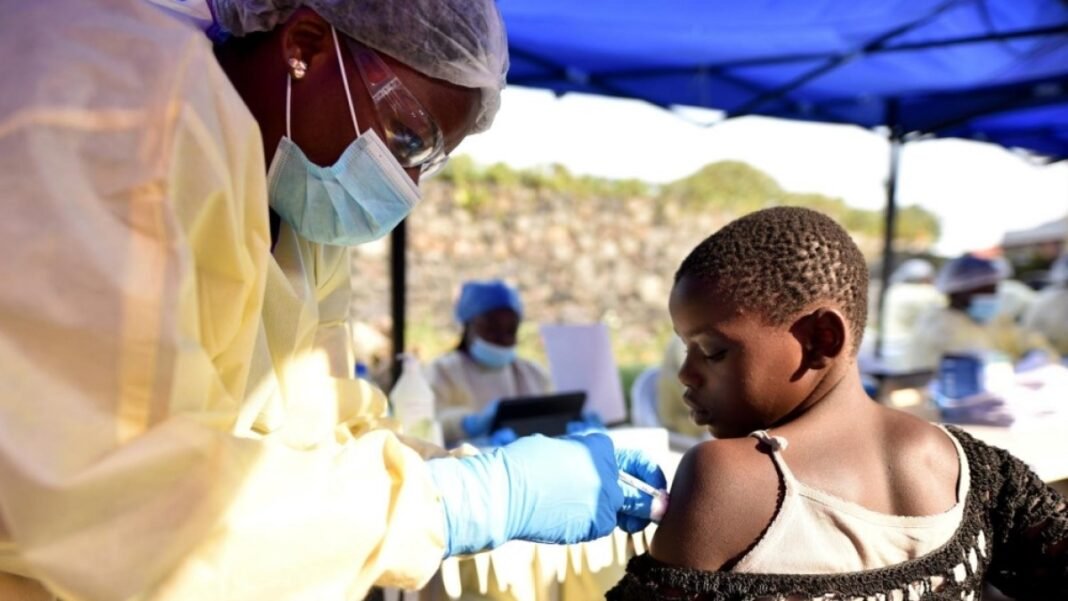
- Vaccination efforts covered over 35,000 people identified as high-risk within affected areas-a critical measure contributing to breaking chains of transmission.
Ebola’s Broader Importance: Insights from Historical Outbreaks
Ebola virus disease remains among the most lethal infectious illnesses globally; without immediate intervention mortality rates can soar up to 90%.The largest epidemic on record occurred between 2014-2016 across West Africa where more than 28,600 individuals contracted Ebola, resulting in upwards of 11,300 fatalities. This crisis also led to isolated exported cases reaching Europe and North America.
The DRC itself has faced smaller flare-ups recently; notably a single-case incident surfaced in 2022, underscoring that ongoing vigilance is necessary even when case numbers are low today.
Sustained Alertness essential Until Complete Eradication Achieved
This recent containment success demonstrates how rapid case identification combined with targeted vaccination campaigns can effectively suppress outbreaks despite adverse conditions.Nevertheless, continuous surveillance during these upcoming six weeks remains critical before declaring full eradication within Kasai province-and preventing future epidemics elsewhere across Africa or globally.