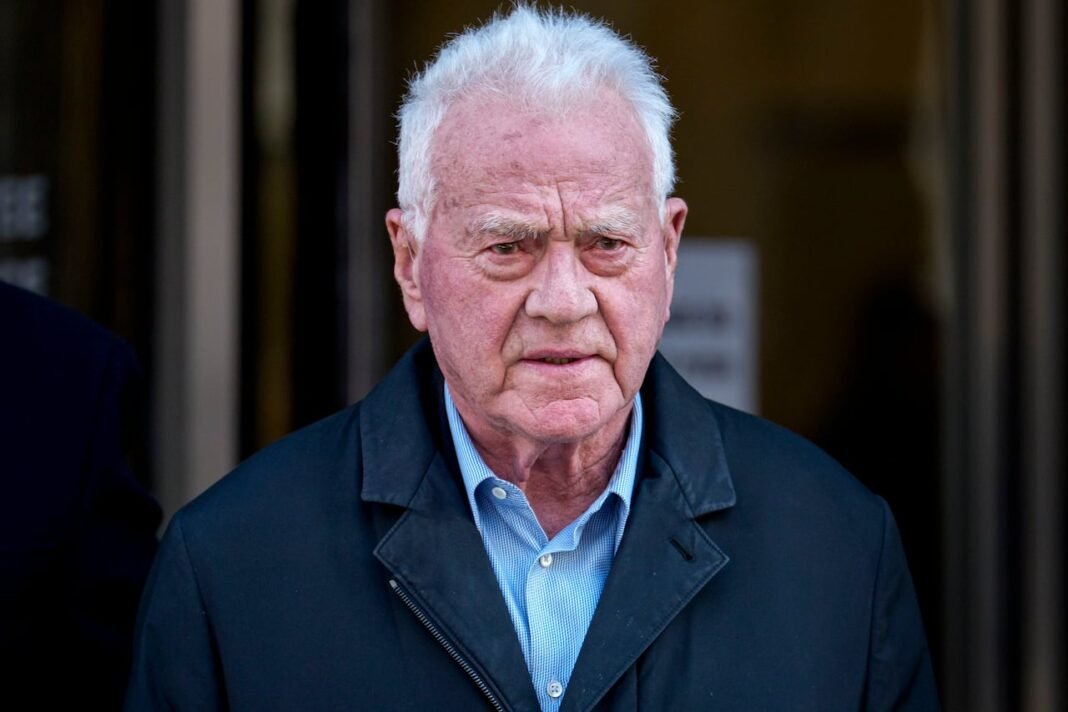
Tracing the development of Sexual Assault Allegations Against Frank Stronach
WARNING: This article addresses sexual assault allegations and might potentially be upsetting to survivors or individuals affected by sexual violence.
Initial Charges and subsequent Reductions
Frank Stronach, the founder of Magna International, was originally charged with 12 counts related to sexual assault involving seven diffrent women. These serious accusations included past claims of rape and attempted rape, with incidents alleged to have taken place between 1977 and 1990.
As the legal proceedings advanced, prosecutors scaled back the charges to seven counts concerning four complainants. The Crown’s decision to dismiss five charges and exclude testimony from three women has ignited discussions about whether early case evaluations sufficiently anticipated challenges tied to evidence reliability.
The Complex Role of Prosecutors in Case Assessment
Crown attorneys must continuously assess each case’s prospects for conviction. Legal experts specializing in criminal defense within Toronto note that some issues regarding witness credibility were foreseeable due to inconsistencies in statements and other factors that weakened parts of this prosecution.
The age of certain allegations further complicated matters; notably, two charges involved offenses that were redefined following a 1983 legislative change which replaced “rape” with broader “sexual assault” statutes under Canadian law.
Patterns Within Alleged Incidents: Social Venues as Common Settings
A majority of accusers described initial meetings at Rooney’s-a Toronto restaurant once owned by Stronach-followed by invitations back to his Harbourfront condominium where assaults allegedly occurred. Other claims referenced locations such as hotel rooms or midtown apartments where attacks reportedly took place.
Detailed Accounts From Complainants
- One woman testified she was raped after accepting an invitation during dinner at Stronach’s condo overlooking Lake Ontario.
- An additional accuser alleged an attempted rape inside a downtown apartment complex.
- A separate complainant claimed she was assaulted within a hotel room in 1990.
The Defence Approach: Challenging Testimonies Through Scrutiny
The defence team meticulously cross-examined each complainant’s prior statements for contradictions or alterations over time. By emphasizing discrepancies related to dates or event specifics, they aimed to undermine witness reliability. Some witnesses faced accusations suggesting fabrication while others encountered implications that encounters might have been consensual rather than forced.
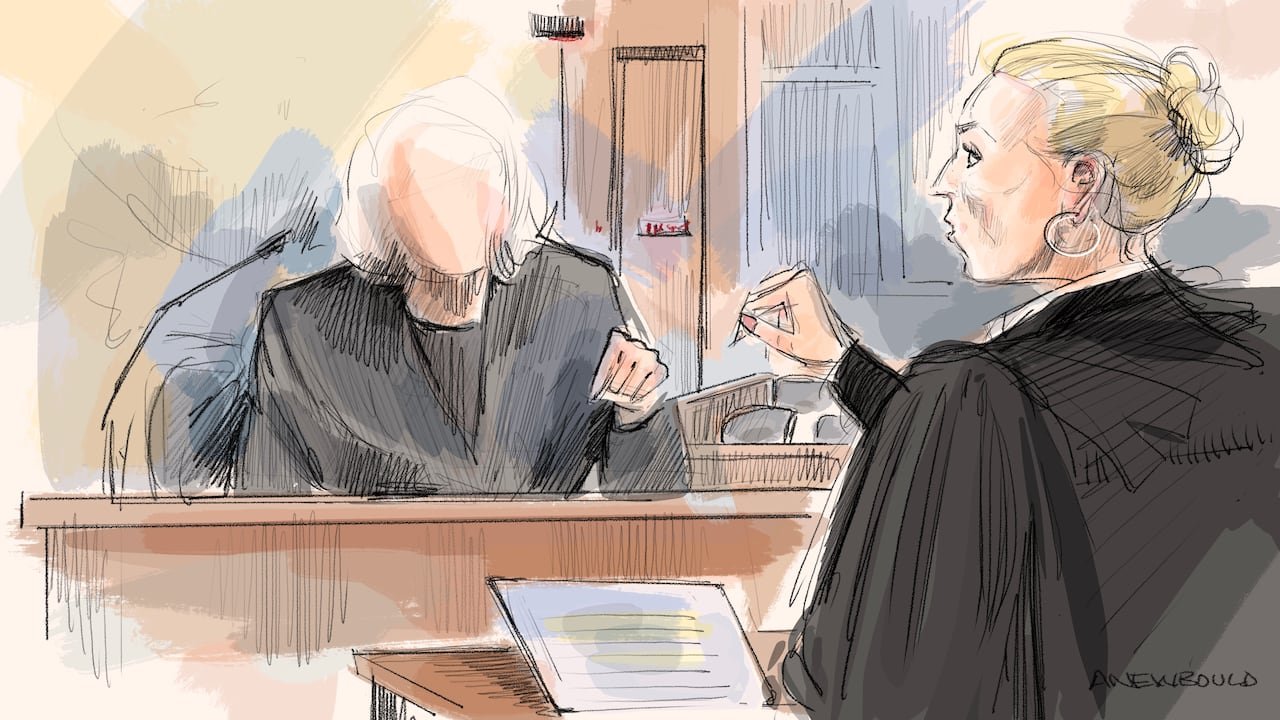
The defence also explored personal backgrounds aiming to reveal potential credibility concerns unrelated directly to the allegations but relevant when evaluating trustworthiness under oath. One particular witness’ mental health difficulties led both judge and lawyers expressing frustration due to her inability maintaining focus during questioning-ultimately resulting in withdrawal of one charge linked specifically with her testimony.
Dropped Charges Highlight Trial Complexities
- A forcible confinement charge was dismissed after concerns arose about one complainant’s capacity during cross-examination due to mental health struggles;
- An attempted rape count associated with another accuser was later withdrawn;
- additionally, two sexual assault charges connected with other witnesses were dropped amid emerging doubts about evidence consistency;
This reduction from twelve original counts reflects prosecutorial reassessment prompted partly by evolving questions around witness dependability encountered throughout examination phases.
Navigating Witness Credibility Issues Impacting Prosecution Tactics
A pivotal moment occurred when one complainant admitted under oath she had previously denied reading media coverage related to ongoing civil litigation against Stronach-a revelation complicating perceptions regarding her honesty before court officials. Such admissions can significantly weaken prosecutorial positioning as they raise doubts about truthfulness critical for judicial evaluation even though this is a judge-alone trial overseen by Ontario Superior Court Justice Anne Molloy.
Tough Choices on Witness Inclusion Amid Complicated Legal Backgrounds
- The fifth accuser disclosed involvement in multiple lawsuits herself-including claims ranging from contract falsification attempts through false arrest accusations-which raised concerns among legal observers regarding her suitability as credible evidence provider within this context;
“Insufficient upfront scrutiny risks exposing vulnerable witnesses later on,” remarked experienced criminal lawyers analyzing procedural strategies applied here.
Crown Attorneys’ Expertise Versus Broader Criticism on Case Management
While some critics argue more rigorous pre-trial vetting could have prevented setbacks such as unaddressed credibility problems earlier on-the Crown team managing these proceedings remains highly respected within Canadian legal circles despite challenges faced mid-trial.
“Adapting Strategy”: Adjustments During Trial Progression
A former Toronto prosecutor explained how it is standard practice-and responsible-to recalibrate cases when new facts emerges undermining key testimonies:
“Witness accounts are rarely perfect; defense exposes flaws; truth unfolds gradually forcing prosecutors into reassessment,” he said.
This dynamic clarifies why several charges were dropped instead of pursuing uncertain verdicts blindly.”
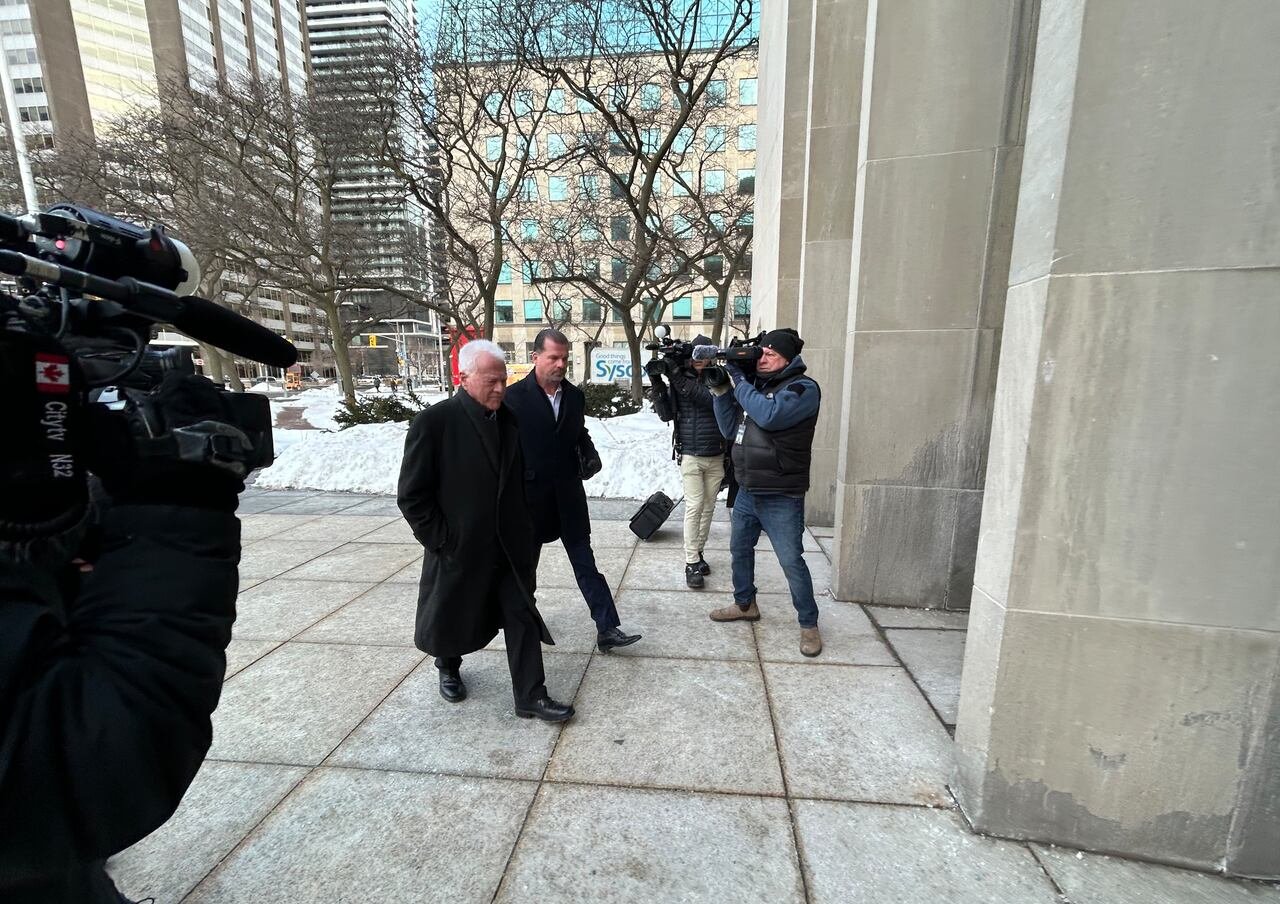
Lapses Identified In Police Investigation Procedures
- No attempts made by investigators contacting Canada Border Services Agency (CBSA) records which could confirm if accused was outside Canada on specific alleged dates;
- No verification conducted concerning ownership or connection between accused and rental properties cited as crime scenes;
- Lack of inquiry into vehicle ownership records despite claims involving specific cars used during incidents (e.g., Porsche pickup allegation);
- Poor background checks on complainants potentially missing red flags affecting overall case strength;
“Had police pursued more comprehensive corroboration early-including character assessments-some weaker witnesses might have been excluded sooner allowing crown focus on stronger cases,” suggested legal analysts.