Barriers to Pediatric Chemotherapy Access at Edmonton’s Stollery Children’s Hospital
How Bed shortages Cause Treatment Delays for Young Cancer Patients
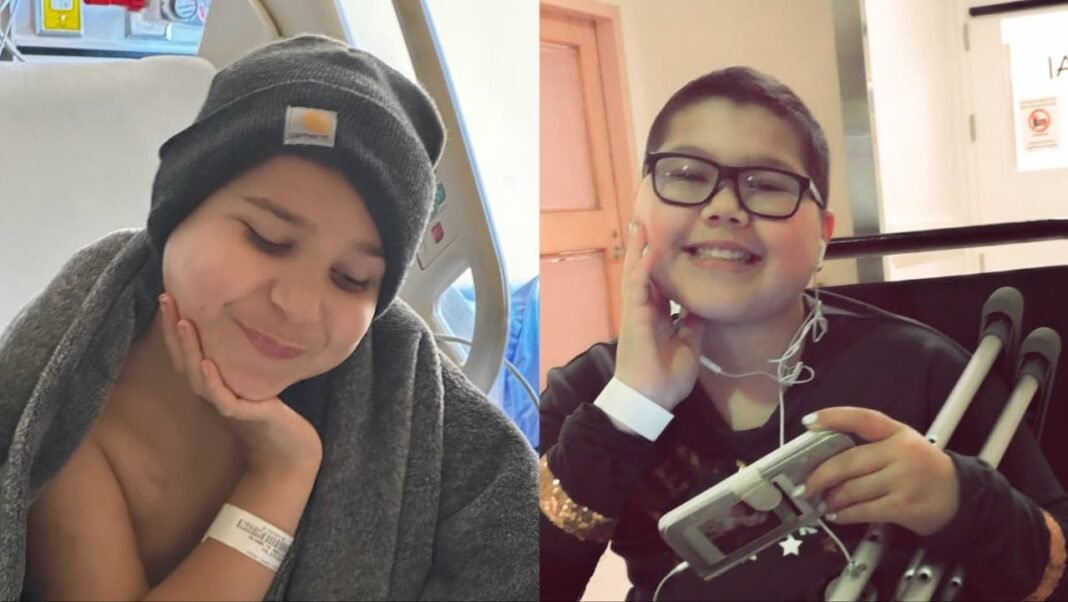
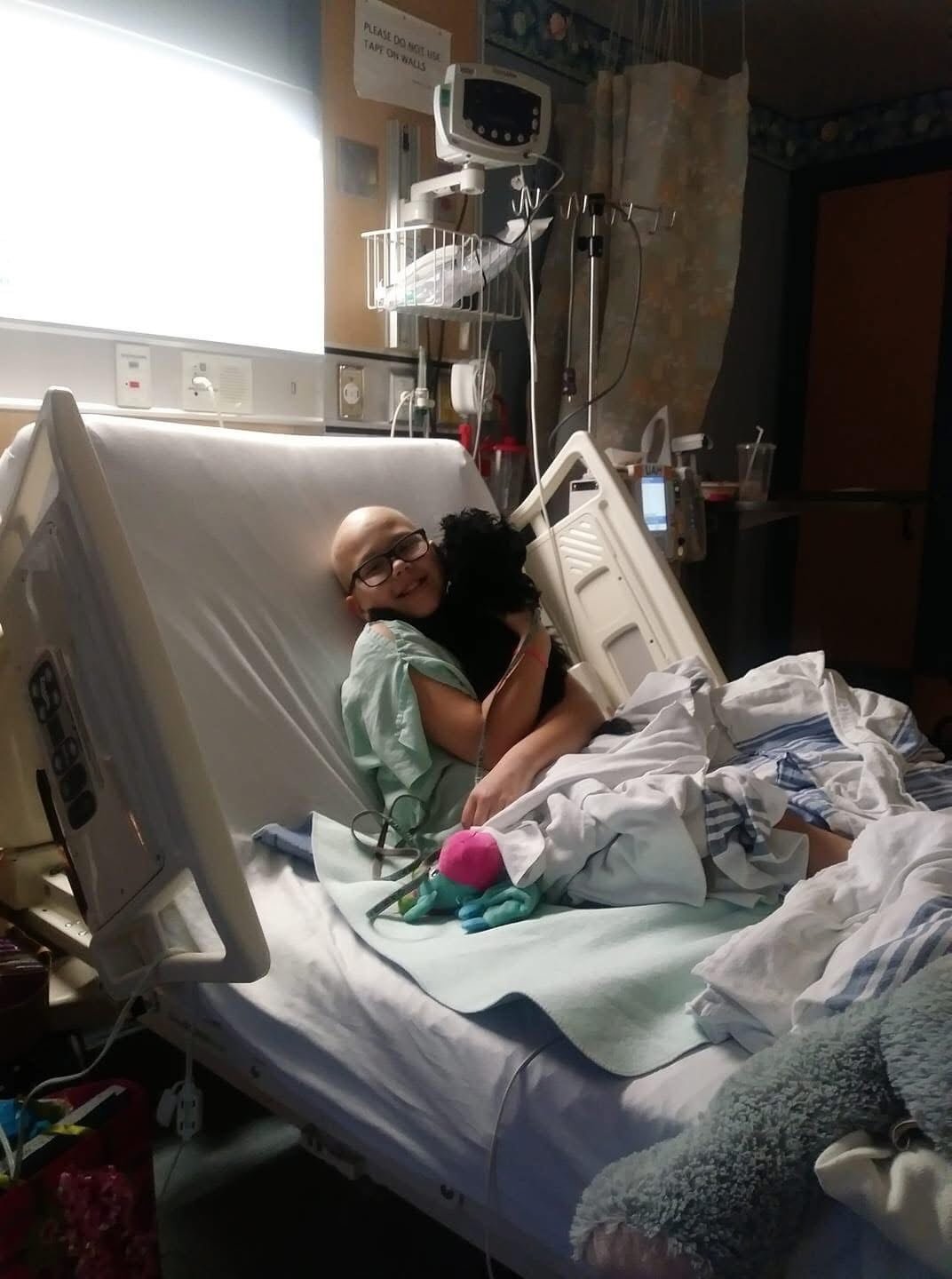
For more than six years, Samantha Dornbusch has been by her son Jaxson’s side as he fights a challenging form of blood cancer called high-risk B-cell lymphoblastic leukemia at Edmonton’s stollery Children’s Hospital. Now nine years old,Jaxson has endured numerous chemotherapy treatments,many requiring extended hospital admissions.
In recent times, Samantha and her family have faced repeated disruptions when arriving for scheduled chemotherapy sessions. Over the past two years alone, they were frequently told that no beds were available, forcing treatment postponements.
“The waiting was incredibly frustrating,” Samantha recalls. each delay meant an extra two to four days before rescheduling could take place. Although Jaxson entered remission last September after his latest cycle, his mother remains anxious about the risk of relapse caused by these interruptions.
The Ripple Effect of Limited Inpatient Capacity on Pediatric Oncology
The shortage of inpatient beds at the Stollery is part of a wider pediatric healthcare capacity crisis in Alberta. Dr. Sam Wong, president of pediatrics for the Alberta Medical Association and a seasoned physician with over 20 years’ experience at the hospital, explains that bed scarcity has worsened steadily over time.
“We’ve had to cancel surgeries and discharge patients earlier than medically ideal just to accommodate urgent cases,” dr. Wong states candidly. During peak periods-such as seasonal respiratory virus outbreaks-the hospital converts spaces like playrooms and classrooms into makeshift patient areas to handle overflow.
This strain directly impacts timely delivery of essential treatments like chemotherapy for children battling cancer not only from northern Alberta but also neighboring regions including parts of British Columbia and Saskatchewan.
Alberta Health Services’ Interim Solutions
Alberta Health Services acknowledges these challenges but stresses that postponed appointments remain rare events which are swiftly managed once identified. Recently, they introduced 10 additional inpatient beds aimed specifically at easing pressure during seasonal surges caused by pediatric respiratory illnesses.
Families’ Experiences Reveal Systemic Healthcare Struggles
Samantha’s story mirrors those shared by other families facing similar obstacles over several years. Alana Janvier recounts how her daughter Justine’s fight against osteosarcoma-a bone cancer-was repeatedly disrupted because treatment sessions were delayed thirteen times between 2018 and 2020 due to bed shortages at the same facility.
“As parents already overwhelmed by our child’s illness,” Janvier says painfully, “having treatments postponed repeatedly as there was nowhere for her in the hospital was devastating.” Despite achieving remission initially,Justine relapsed in 2020 and sadly passed away aged twelve in 2021 despite ongoing care efforts.
The Critical Consequences Behind Chemotherapy Interruptions
“Studies show that unplanned breaks or delays during chemotherapy significantly lower survival chances among osteosarcoma patients.”
This stark reality highlights why uninterrupted access to treatment is crucial-not only medically but emotionally-for families navigating pediatric cancers within constrained healthcare systems today.
A Blueprint for Enhanced Pediatric healthcare Facilities
The provincial government recently unveiled plans for constructing a dedicated standalone children’s hospital in Edmonton designed specifically to overcome current limitations experienced within shared facilities such as those housed inside the University of Alberta Hospital complex where Stollery currently operates.
This new center aims not only to increase physical capacity but also improve access to specialized pediatric services across northern Canada-including remote communities stretching from Yukon through Manitoba-where long travel distances often complicate timely medical intervention further exacerbated by local resource shortages today.
Navigating Immediate Needs While Awaiting Long-Term Solutions
- Maximizing existing resources: “We do everything possible with what we have,” says Dr. Wong regarding ongoing efforts balancing patient needs against infrastructure constraints;
- Tactical expansions: Seasonal additions of inpatient beds help manage acute demand spikes;
- Cultural meaning: Families like Janvier view future improvements as tributes honoring loved ones through better care opportunities despite personal losses endured now;
Pediatric Cancer Care: Confronting Present Challenges While Building Hopeful Futures
The experiences emerging from Edmonton illustrate how systemic issues such as insufficient inpatient space can cascade into delayed life-saving therapies while amplifying emotional stress on families confronting childhood cancer diagnoses nationwide (with approximately 16 per 100,000 Canadian children diagnosed annually).
Pediatric oncology demands uninterrupted access; however current realities force tough compromises until expanded infrastructure arrives.
If lessons learned here inspire accelerated investment into child-focused health environments elsewhere across Canada or globally-whether urban centers overwhelmed post-pandemic or rural hospitals grappling with staffing shortages-the enduring hope remains clear: every child deserves prompt treatment without avoidable delay.
)