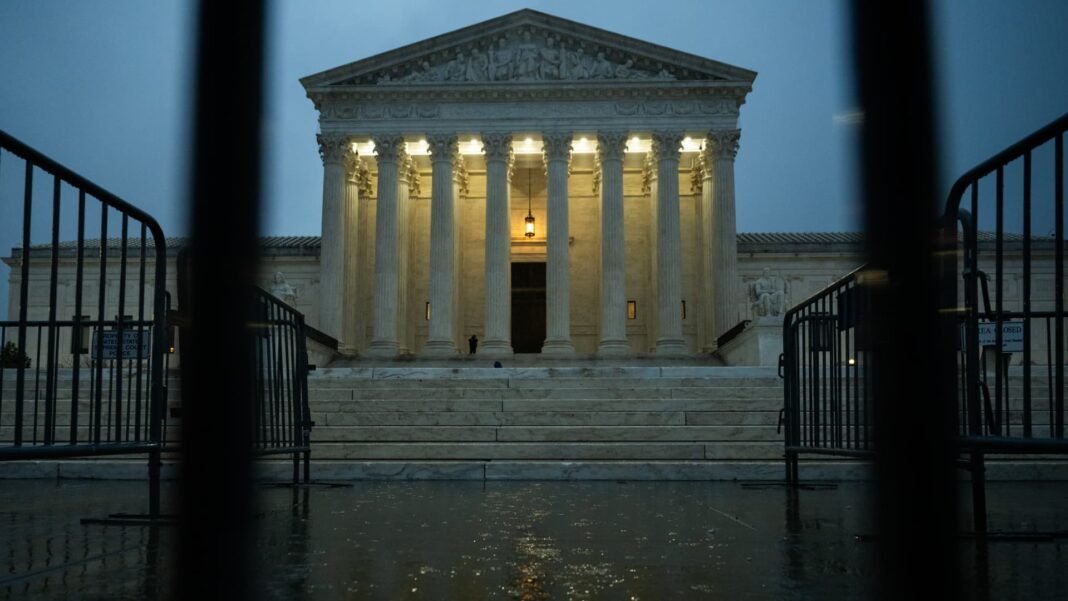
Supreme Court Curbs Presidential Power Over Tariffs, Affecting Major U.S. Industries
The Supreme Court has issued a landmark ruling that restricts the President’s ability to impose tariffs on specific countries under the International Emergency Economic powers Act of 1977 (IEEPA). This decision substantially alters the landscape for numerous American companies burdened by high import taxes, although some tariffs remain unaffected by this judgment.
Decoding the legal basis for Tariff Enforcement
During the previous administration, IEEPA-a statute originally intended to authorize economic sanctions-was leveraged to justify sweeping tariffs on imports from targeted nations. However, in a 6-3 verdict, the Supreme Court clarified that IEEPA does not empower the President to impose such country-specific tariffs.As an inevitable result, these particular levies have been invalidated while other tariff measures enacted under separate laws continue unchanged.
For instance, tariffs imposed under Section 232 of the Trade Expansion Act of 1962 remain fully enforceable. These duties focus on imports considered threats to national security and include commodities like steel and aluminum. Thus,while certain tariff actions were struck down as unconstitutional,others persist firmly within legal bounds.
Automobile Sector Faces Ongoing Tariff Pressures Despite Rulings
The automotive industry continues grappling with ample import duties even after this court decision.The prior administration had introduced hefty 25% tariffs on vehicles and select auto components citing national security concerns last year. Although negotiations with trading partners such as Japan and the United Kingdom have led to reduced rates ranging between 10% and 15%, uncertainty remains over their consistent application worldwide.
Leading automakers are feeling these financial strains acutely: General Motors forecasts tariff-related costs between $3 billion and $4 billion in this fiscal year alone; Ford estimates its net impact at roughly $2 billion through 2026-figures highlighting how deeply embedded these levies are within operational budgets.
Pharmaceutical Industry Confronts Potentially Escalating Tariff Risks Amid Policy Uncertainty
the pharmaceutical sector finds itself entangled in complex tariff threats linked primarily to ongoing Section 232 investigations assessing national security risks posed by foreign drug imports. While no new pharmaceutical-specific tariffs have yet been enacted due to multi-year agreements promoting domestic manufacturing investments, looming proposals suggest rates coudl soar up to an unprecedented 250% in extreme cases.
This approach aims at encouraging companies like Pfizer, Johnson & Johnson, and AstraZeneca-who recently committed voluntarily to price reductions-to boost production within U.S. borders in exchange for temporary relief from punitive duties.
Furniture Industry Remains Under Strain From Sustained Import Taxes
The furniture market has experienced minimal relief following recent judicial outcomes; Section 232-imposed tariffs averaging about 25% on products such as sofas and kitchen cabinets continue unabated after being upheld by courts. Forecasts indicate these rates might double next year amid inflationary trends coupled with rising interest rates dampening consumer spending power.
this challenging habitat disproportionately impacts smaller businesses lacking financial resilience while pushing larger firms toward insolvency-as demonstrated when Ashley Furniture’s parent company faced severe financial distress last year largely due to persistent cost pressures tied directly to trade policies.
Food & Consumer Packaged Goods Endure Elevated costs Despite Partial Exemptions
Tariffs targeting steel and aluminum under Section 232 mandates still affect major food manufacturers reliant on these metals for packaging materials-companies including Nestlé USA,Kraft Heinz Company,Mondelez International confront sustained input cost increases driven by aluminum duties reaching up to nearly 50%.
Selective exemptions granted recently have somewhat alleviated burdens; agricultural commodities like avocados and coffee were removed from certain tariff lists late last year alongside rescinded taxes on Brazilian pulp essential for paper product manufacturing-measures designed partly to stabilize prices amid ongoing global supply chain disruptions.