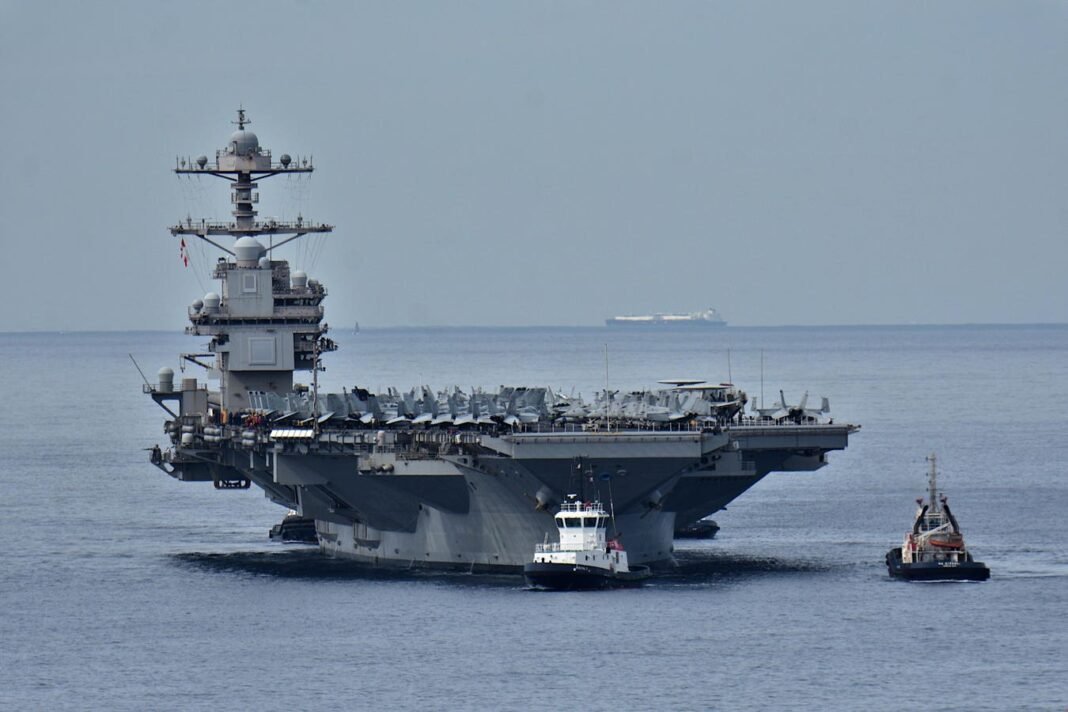
Persistent Sewage System Issues Plaguing USS Gerald R. Ford
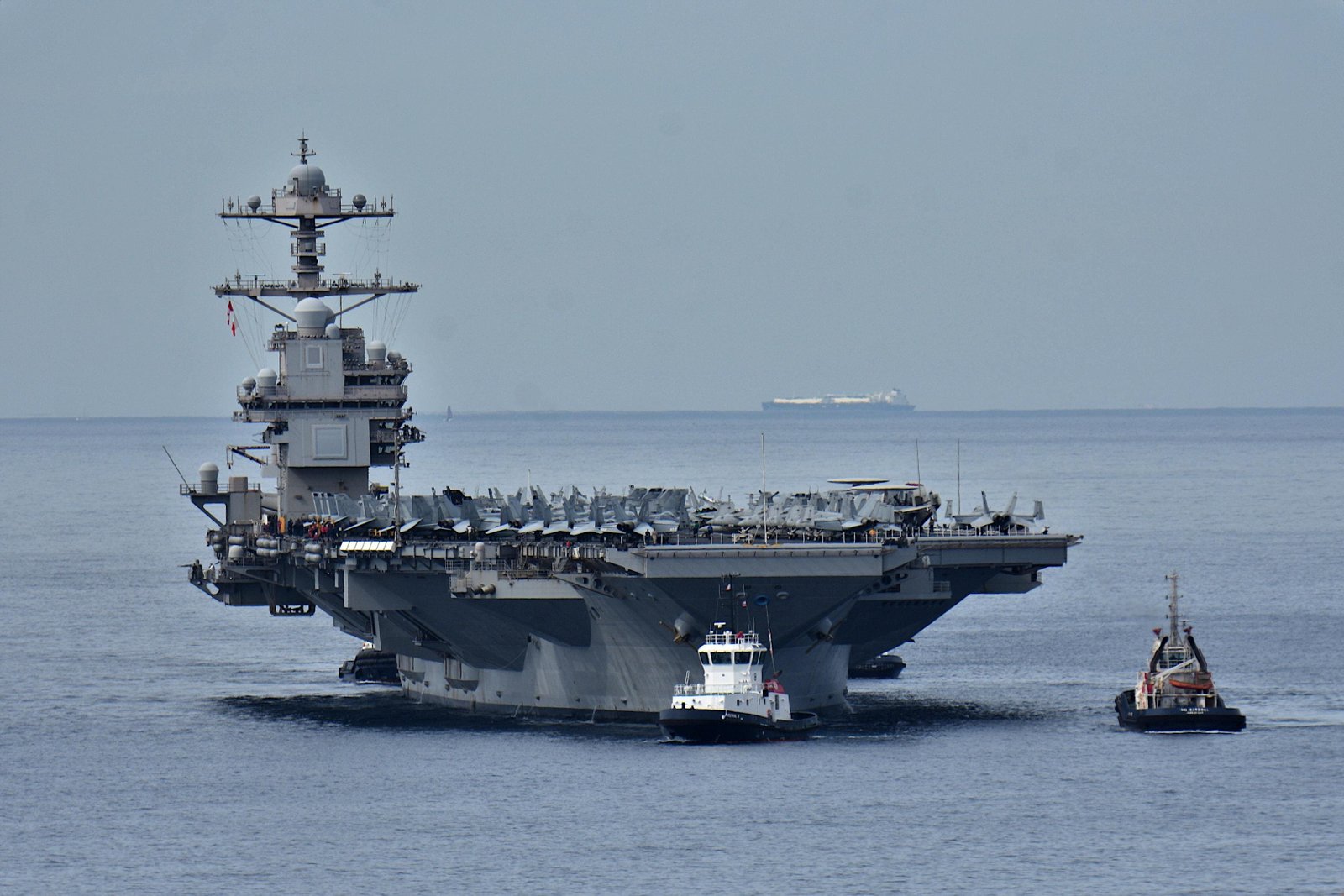
The USS Gerald R. Ford (CVN-78), the newest nuclear-powered aircraft carrier in the U.S. Navy fleet, represents a pinnacle of naval engineering and advanced technology.Despite its $13 billion price tag and state-of-the-art features, this vessel continues to face significant challenges with its Vacuum, Collection, Holding and Transfer (VCHT) sewage system, which frequently experiences blockages and operational failures even years after entering service.
Historical Context: Sewage System Struggles on Predecessor carriers
The difficulties encountered aboard CVN-78 are not without precedent.The Navy previously grappled with similar vacuum-based waste management problems on the USS George H.W. Bush (CVN-77), the final Nimitz-class carrier before CVN-78’s introduction. During CVN-77’s 2011 maiden voyage, all 423 toilets malfunctioned simultaneously on two occasions.
This forced sailors into improvised solutions such as using showers or industrial sinks for relief; some male crew members resorted to urinating into bottles that were then emptied overboard while female sailors faced health risks due to extended holding times-highlighting critical flaws in onboard sanitation systems for large naval vessels.
Main Factors Behind Recurring Malfunctions
Navy investigations revealed that many clogs stemmed from inappropriate items flushed down toilets-including clothing like socks and underwear, feminine hygiene products, and even mop heads-that obstructed an extensive network of nearly 250 miles of piping designed to transport waste via vacuum suction for treatment before discharge at sea.
The VCHT system is divided into two primary sections; if one loses vacuum pressure as of a blockage or mechanical failure, it disables every toilet onboard until repairs are completed-a process that once took over 35 continuous hours aboard CVN-77 without any backup options such as portable toilets or “wag bags.”
Design Innovations Impacting Waste Management Efficiency
A major design shift on the USS Gerald R. Ford is its implementation of gender-neutral restrooms without urinals-the first time this approach has been used on a U.S.aircraft carrier-to improve versatility in crew accommodations. However, critics note that since women currently comprise less than 18% of Navy personnel, thes larger toilet units occupy more space than traditional wall-mounted urinals would have.
This spatial compromise may indirectly exacerbate maintenance issues by increasing usage frequency per unit while complicating plumbing configurations within already limited shipboard space.
The High Cost of Maintenance Operations
An unplanned but essential maintenance task involves acid flushing clogged pipes regularly-a procedure costing upwards of $400,000 each time-which can only be performed at specialized naval shipyards due to environmental restrictions and technical complexity rather than at sea.
This recurring expense accumulates substantially given there is no established schedule dictating how often these flushes must occur during the carrier’s operational lifespan.
Bigger Picture: Challenges Across Emerging Naval Technologies
A Government Accountability Office report identified approximately 150 systemic sustainment issues affecting CVN-78 alone-including undersized sewage infrastructure relative to crew size-that collectively jeopardize mission readiness while inflating lifecycle costs substantially.
The VCHT troubles represent just one among several new systems facing setbacks; ordnance elevators required months-long repairs post-deployment while advanced electromagnetic catapults intended for faster sortie rates have drawn criticism from experts advocating a return to proven steam catapult technology instead.
“Sometimes relying on established technologies might prove wiser than rushing untested innovations,” a defense analyst commented regarding VCHT challenges aboard supercarriers designed for long deployments far from port facilities where cruise ships typically offload waste regularly.
Operational Consequences during Prolonged Missions
Gerald R. Ford’s current deployment has surpassed seven months away from Naval Station Norfolk amid persistent VCHT malfunctions requiring daily repair interventions as recently reported internally by Navy sources in mid-2023.
Lack of effective contingency plans during breakdowns worsens crew discomfort and risks morale decline-problems intensified by automation-driven reductions in onboard maintenance staff despite increased demands caused by frequent plumbing failures necessitating manual fixes more often than anticipated when designing this next-generation class carrier.
Pursuing Long-Term Solutions Amidst Critical Stakes
- Navy leadership is considering expanding dedicated maintenance teams onboard despite initial goals favoring smaller crews through automation;
- Evolving training protocols aim to educate sailors better about proper disposal habits to prevent clogging;
- The pursuit continues toward engineering improvements or choice wastewater technologies better suited for extended nuclear-powered deployments;
Sewage Systems: An essential Yet Overlooked Element in Naval Innovation Success
The ongoing saga surrounding USS Gerald R.Ford’s waste management difficulties highlights how seemingly mundane infrastructure components can profoundly impact mission effectiveness aboard cutting-edge warships operating worldwide under demanding conditions far removed from shore support facilities common in commercial maritime sectors like cruise liners or cargo ships returning frequently to well-equipped ports.
“The true challenge lies not only in technological advancement but also ensuring dependability when lives depend upon it.”
If lessons learned here translate into smarter designs across future classes such as CVN-79 John F Kennedy-and beyond-the Navy could avoid repeating costly mistakes tied not just with combat systems but fundamental human needs essential during prolonged global deployments.
This case exemplifies how innovation must balance ambition against practical sustainability especially when billions invested hinge equally upon everyday functionality below decks as much as high-profile weaponry above them.
The U.S.Navy’s experience serves as a cautionary tale emphasizing complete testing combined with realistic operational scenarios before full-scale adoption becomes irreversible.
Sewage system reliability may seem trivial compared with radar arrays or fighter jets-but it remains indispensable toward maintaining fleet readiness today-and tomorrow’s maritime security challenges demand nothing less.