How to Select the Perfect Binoculars: An In-Depth Guide
Binoculars have the remarkable ability to turn distant, blurry shapes into crisp, detailed images-transforming a shadowy silhouette of a hawk into a clearly identifiable raptor, capturing an exhilarating moment in a soccer match from the stands, or distinguishing between similar-looking deer species hidden in dense foliage. Whether you’re hiking through unfamiliar terrain, observing backyard wildlife, stargazing on clear nights, or enjoying live sports events from afar, binoculars sharpen your view and bring faraway scenes vividly closer.
Decoding Binocular Specs: What Do Those numbers Tell You?
When browsing binocular options, you’ll often encounter specifications like 8×42. These numbers provide essential insights about their capabilities:
- Magnification (e.g., 8x): This figure indicates how many times closer an object appears compared to viewing with the naked eye. For most outdoor enthusiasts and beginners alike, magnifications between 6x and 8x offer an ideal balance-providing clear images without making it difficult to locate or follow moving subjects.
- Objective Lens Diameter (e.g., 42 mm): The diameter of the front lens determines how much light enters the binoculars. Larger lenses capture more light resulting in brighter images especially during low-light conditions such as dawn or dusk.However, bigger lenses add weight; thus many users prefer objective sizes ranging from 26 mm up to around 50 mm for portability without compromising brightness.
The Essential Features That Shape Your Viewing Experience
Apart from magnification and lens size, several other technical aspects influence binocular performance:
- Objective Lens: Located opposite your eyes; its diameter directly affects image brightness by controlling light intake.
- Field of View (FOV): This measures how wide an area you can see through your binoculars at a fixed distance-usually expressed as feet at 1000 yards or degrees. A wider FOV is advantageous when scanning expansive landscapes or tracking fast-moving animals but comparing across models can be tricky due to varying units used by manufacturers.
- Eye Relief: The optimal distance between your eye and eyepiece that allows full viewing without dark edges around the image. Eye relief typically ranges from about 10mm up to over 20mm; longer eye relief is crucial if you wear glasses since it ensures pleasant access to the entire field of view.
- Lenses & Prism Types:
Sleek Roof Prism vs Traditional Porro Prism Designs
- Roof prism binoculars, characterized by their straight-line design aligning objective lenses with eyepieces (forming an H-shape), are compact and lightweight-perfect for hikers and travelers prioritizing portability today.
- porro prism models, recognized by offset lenses creating bulkier bodies but often delivering superior depth perception and sharper images-a reason they remain favored among hunters and military personnel despite added weight.
the Relationship Between Quality And Price: What To Expect At Different Levels
the price spectrum for quality binoculars varies widely-from budget-friendly options under $100 up to premium devices exceeding $3,000-which largely reflects differences in glass quality; advanced coatings applied on lenses/prisms that reduce glare and chromatic aberrations; plus precision engineering within optical assemblies affecting sharpness, clarity, color accuracy-and durability over time.
A common benchmark even among mid-range models is BaK-4 glass prisms produced by Schott AG-a renowned German manufacturer-but within this category exists notable variation based on coating technologies’ sophistication plus manufacturing tolerances.
For instance,a Leica Noctivid model offers some of today’s brightest optics yet weighs nearly twice as much as entry-level pairs due mainly to advanced materials inside.
If possible,a hands-on trial helps determine whether incremental price increases translate into visibly better performance worth investing extra money;sometimes differences between $300-$500 pairs may be subtle depending on user sensitivity while leaps beyond $1k become more apparent visually during challenging lighting conditions like twilight birdwatching outdoors.
Selecting Binoculars Based On Practical Use And Comfort Considerations
I prioritize optical sharpness above all else since no amount of features compensates if details appear blurry-but I also consider factors such as color fidelity (how natural colors appear), brightness relative to lens diameter especially during dawn/dusk hours when wildlife activity peaks-and ergonomic comfort including balanced weight distribution around neck straps plus ease adjusting focus quickly while wearing gloves outdoors.
Additionally,I test “digiscoping” compatibility-the ability to attach cameras behind eyepieces-to capture high-quality photos through my optics setup which has become increasingly popular among modern birders documenting rare sightings digitally.
This testing spans diverse environments-from dense northern forests where shadows dominate visual contrast zones,to arid southwestern deserts where heat haze challenges clarity,to sunny Florida coastlines demanding anti-reflective coatings effective against glare.
For casual hikes without equipment testing duties,I rely on lightweight Celestron Trailblazer ED models offering decent clarity balanced with portability suitable for spontaneous nature walks lasting several hours.
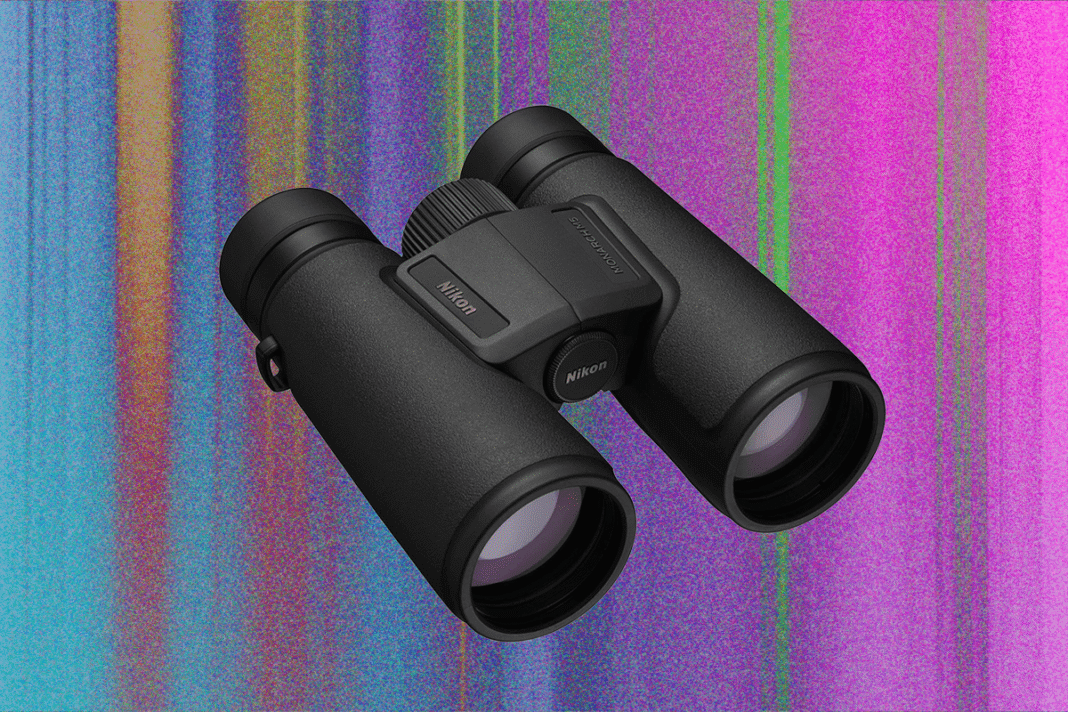
Nikon Monarch M5 8×42: Top Choice For Most Outdoor Enthusiasts

Nikon’s Monarch M5 series delivers exceptional value combining robust optical power with excellent build quality at mid-tier pricing (~$340). Featuring roof prism construction enhanced by phase correction coatings alongside ED glass elements designed specifically to minimize chromatic aberration-which manifests as distracting color fringes around bright objects-the Monarch M5 produces crisp bright imagery ideal for birdwatchers seeking reliable detail recognition throughout long observation sessions.
The generous objective lens diameter paired with multi-layered anti-reflective coatings ensures vibrant views even under cloudy skies while maintaining manageable weight allowing pleasant all-day wear suspended via ergonomically designed neck straps praised worldwide among users spending extended periods outdoors watching avian behavior near feeders or forest edges-even those wearing prescription glasses benefit thanks to deep recessed eyecups providing approximately full field-of-view coverage despite eyewear interference issues common elsewhere within similar price brackets.
Additions Worth Considering Within The Popular Midrange Category
Celestron Nature DX ED 8×42 – Affordable Option With Reliable Performance
this pair represents one of best values below $250 offering respectable edge-to-edge sharpness though not quite matching Nikon’s brightness levels due primarily increased purple fringing visible near high contrast boundaries typical under direct sunlight exposure scenarios encountered frequently during midday hikes through mixed woodlands where shadows interplay dynamically across terrain surfaces.
Pentax ZD ED Series – Superior Clarity And Color Accuracy At Higher Price Point
< p > Offering noticeably sharper resolution combined with cooler color tones preferred by some observers compared against warmer hues produced by Nikon Monarch line, Pentax’s ZD ED model stands out particularly well suited toward enthusiasts willing invest close toward $700 mark seeking superior detail discernment critical when identifying subtle plumage variations amongst migratory songbirds passing overhead during springtime banding station monitoring efforts.
< h3 > zeiss Conquest HDX – Premium Optics With Excellent Low-Light Capability
< img src = "https://newsfeed24.website/wp-content/uploads/2025/11/localimages/zeiss-Conquest-HDX-8x42-SOURCE-Zeiss.jpg691cd8d8807cb.jpg"
alt = "Zeiss Conquest HDX 8x42 Binoculars in black"
loading = "lazy"/>
< p > Renowned globally for exceptional craftsmanship, these Zeiss binocs deliver bright vivid imagery optimized further via advanced dielectric mirror coatings enabling impressive performance even during twilight hours when many nocturnal species begin activity cycles. Though pricier (~$1000), they justify investment through durability combined unmatched optical precision appreciated deeply amongst professional ornithologists conducting field research requiring dependable gear capable handling rugged terrain year-round.
< h3 > Leica Noctivid Series – Ultimate Sharpness and Brightness For Serious Observers
< img src = "https://newsfeed24.website/wp-content/uploads/2025/11/localimages/Leica-208042-Noctivid-SOURCE-Leica.jpg691cd8db94344.jpg"
alt = "Leica Noctivid Series - High-end binocs"
loading= "lazy"/>
< p > Representing pinnacle luxury optics weighing approximately double average consumer-grade sets, Leica’s flagship delivers unparalleled luminance coupled razor-sharp definition favored heavily amongst dedicated wildlife photographers capturing elusive species requiring maximum detail retrieval capability irrespective ambient lighting constraints encountered deep forest understories early morning expeditions.
Your Final Checklist When Choosing Binocular Gear & Recommendations
“The perfect pair balances sufficient magnification power not onyl providing detailed views but also maintaining wide fields-of-view facilitating easy target acquisition.”
Your choice should reflect intended use cases along with personal preferences regarding weight tolerance plus budget constraints since today’s market offers excellent options spanning entry-level affordability up through elite professional-grade instruments boasting cutting-edge technologies once reserved solely for specialized applications such as military reconnaissance missions decades ago now accessible broadly thanks advances manufacturing techniques reducing costs substantially over last five years alone according recent industry reports showing global demand growth exceeding annual rates above seven percent driven largely by expanding outdoor recreation trends post-pandemic worldwide.”
If visiting physical retailers isn’t feasible before purchase consider starting off with trusted midrange picks like Nikon’s Monarch M5 series which consistently receive positive feedback balancing affordability versus performance effectively ensuring satisfying experiences whether spotting warblers flitting amid spring blossoms or following soccer matches live from stadium stands thousands miles away.”
Selecting Top-Tier Optics For Enthusiasts & Professionals In 2024
Spectacular Clarity With Leica Noctivid ()
The Leica Noctivid binocular series ranks among today’s brightest & sharpest optics available globally. Their lenses deliver stunning clarity although contrast could improve slightly.With generous ~19mm eye relief these bins suit glasses wearers comfortably ensuring full image access without compromise despite weighing roughly 860 grams (30 ounces)-which may feel heavy after prolonged use outdoors.
‑‑‑‑——-――――−−−−⸺⸻⸼⸽⸾‼‼‼‼⁇⁇⁇⁇❝❝❝❝❞❞❞❞✕✕✕✕✔✔✔✔✓✓✓✓☐☐☐☐◯◯◯◯⚪⚪⚪⚪🟠🟠🟠🟠🔴🔴🔴🔴🌑🌑🌑🌑⭐️⭐️⭐️⭐️✨✨✨✨💫💫💫💫🚀🚀🚀🚀🎯🎯🎯🎯🏅🏅🏅🏅📷📷📷📷👓👓👓👓👍👍👍👍👌👌👌👌🤩🤩🤩🤩😎😎😎😎😊😊😊😊😍😍😍😍🥰🥰🥰🥰😘😘😘😘❤️❤️❤️❤️🔥🔥🔥🔥👏👏👏👏🙌🙌🙌🙌🙏🙏🙏🙏💕💕💕💕🍃🍃🍃🍃🌿🌿🌿🌿🍂🍂🍂🍂🐦🐦🐦🐦🦉🦉🦉🦉🐾🐾🐾🐾

Zeiß SFL Series: Lightweight Yet Powerful Optics With Large Objective Lenses ()Avoid pre‐2018 versions sold discounted under similar names lacking updated enhancements found current releases。If possible verify model year/specifications before purchase ensuring genuine improvements clarity durability。Maven B1.2シリーズ:Mid-Priced excellence(10×42)
Maven B1.۲ラインは、プレミアム価格を払わずに卓越した画像品質を提供する個人的なお気に入りの一つです。現在約1000ドルで販売されているB1.210 x40ED双眼鏡は、フレームの端でも歪みやぼやけがなく、非常にシャープな視界を提供します。これは高級光学セグメント以外では珍しい特徴です。
Nikon のMonarchM5シリーズは、高倍率モデルも手頃な価格で提供し、クリアな映像と堅牢な構造が特徴であり、カジュアル観察者から真剣なバーダーまで幅広く支持されています。
“Choosing right pair depends heavily specific needs – long hikes needing lightweight gear versus focused observation demanding high magnification.”
larger heavier instruments like LeicaNoctivids deliver unmatched brightness/sharpness but tire users quickly if carried extensively.Outdoors.Lighter alternatives sacrifice slight optical advantages enhance comfort significantly-a crucial factor given modern outdoor enthusiasts average hikes exceeding six miles per outing according recent North american surveys conducted Outdoor Industry Association data (2024)。P