Overcoming Early-Stage Drug Development Challenges in the U.S.
Barriers Hindering Clinical Trial Initiation
The United States faces notable obstacles that delay the start of early-phase drug trials, putting its position as a leader in pharmaceutical innovation at risk. Major challenges include complex hospital contracting procedures and extended ethical review timelines, both of which slow progress compared to other countries. Moreover, the current system for submitting and approving Investigational New Drug (IND) applications-crucial for human testing of new therapies-remains outdated and inefficient.
Global Competition: China’s Rapid Biotech Expansion
China has swiftly evolved from a low-cost manufacturing base into a powerhouse in biotechnology innovation. Backed by significant government investment, an increasing number of skilled scientists, and more efficient regulatory processes, China now conducts more clinical trials annually than the U.S. Recent figures reveal that nearly 30% of global new drug approvals come from China, with forecasts suggesting this could rise to 35% of FDA approvals by 2040.
A Strategic Move Toward Original Innovation
This shift highlights China’s commitment to developing novel therapies rather than focusing solely on generics or copies. As an example, Chinese biotech firms have recently accelerated development of treatments for rare diseases at remarkable speeds-a clear indicator of their expanding research expertise.
FDA Strategies to Accelerate U.S. Drug Development
The Food and Drug Administration is actively pursuing reforms aimed at speeding up early-stage clinical research within the country. One key initiative involves enhancing collaboration with healthcare systems and academic medical centers during pre-IND consultations-a vital phase before formal trial submissions.
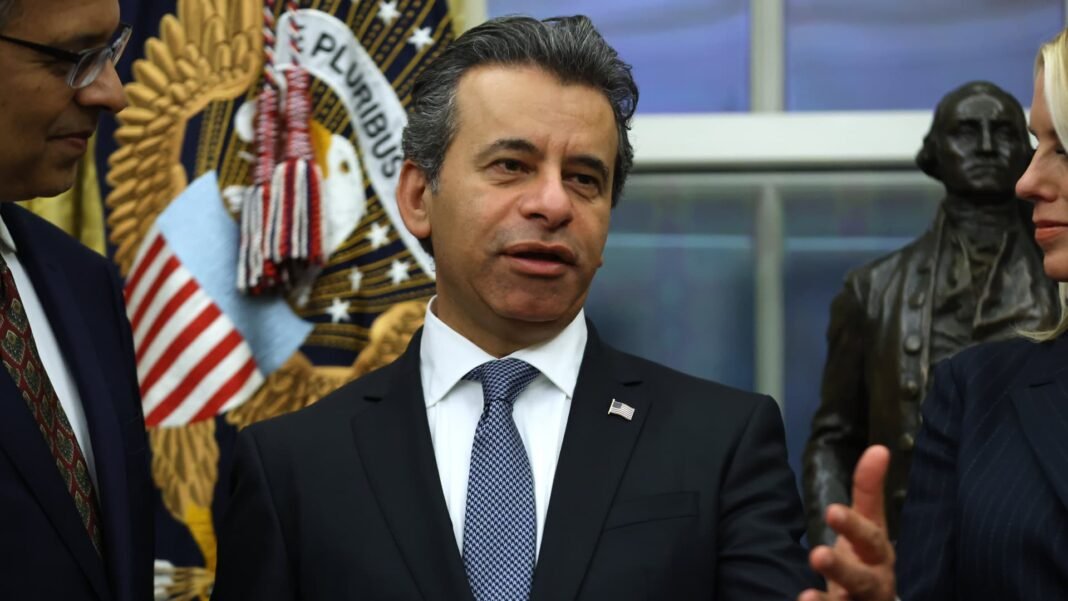
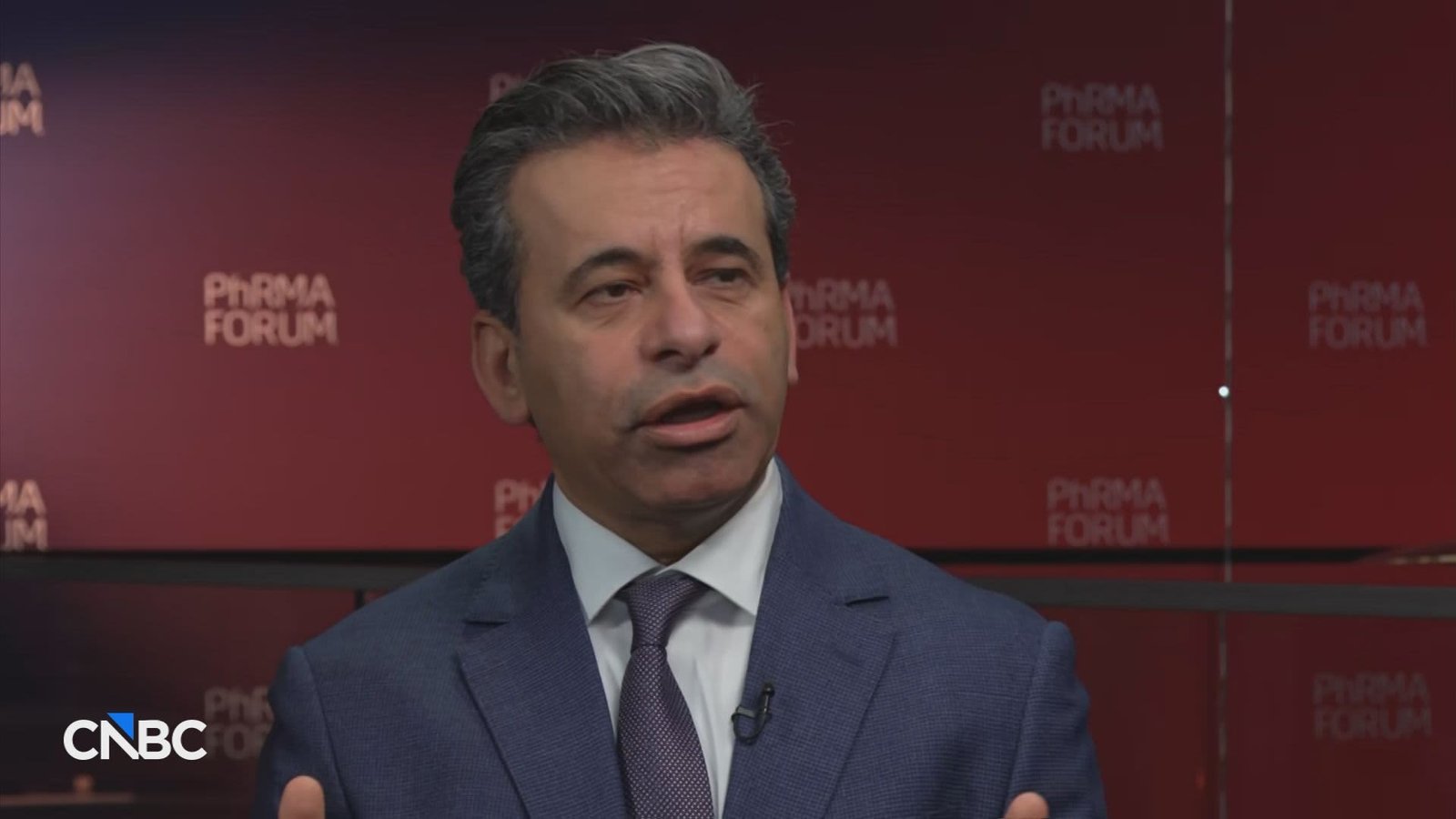
“We inherited a challenging situation,” stated FDA leadership when addressing America’s lagging Phase 1 clinical trial activity observed over recent years.
Strengthening Partnerships for Quicker Approvals
The agency underscores bipartisan backing for cooperative efforts between government bodies and industry players designed to bring innovative treatments to patients more rapidly nationwide. Central to these initiatives is reducing administrative delays while upholding strict safety standards.
The Critical Need for Boosting Domestic Innovation
As international competitors advance rapidly,pressure mounts on U.S policymakers to adopt measures that support domestic biotech growth without sacrificing patient safety or scientific rigor.Improving regulatory flexibility could help regain lost ground in competitiveness experienced over recent years.
Aiming for Swift Therapeutic breakthroughs Ahead
The overarching objective remains fostering an environment where revolutionary cures reach patients faster through streamlined yet complete evaluation processes-ensuring America maintains its leading role in medical innovation well into future decades.