



FDA Leadership Transition Sparks Debate Over Regulatory Practices
Key Regulator Steps Down Amid Industry Unease
The U.S. Food and Drug Administration (FDA) is undergoing a meaningful leadership change as Vinay Prasad, head of the Center for Biologics Evaluation and Research, prepares to leave his post by the end of April. Prasad’s tenure has been characterized by intense scrutiny following several controversial regulatory decisions that have unsettled biotech companies and pharmaceutical stakeholders alike.
Prasad’s Return to Academia After Turbulent Tenure
This departure marks Prasad’s second exit from the role; he briefly resigned last July amid backlash over his regulatory approach but returned two weeks later in August. Upon leaving this time, he intends to resume his academic career at the University of California San Francisco, where he previously served as faculty before joining the FDA in 2023.
Agency Reflections on Progress Under Prasad
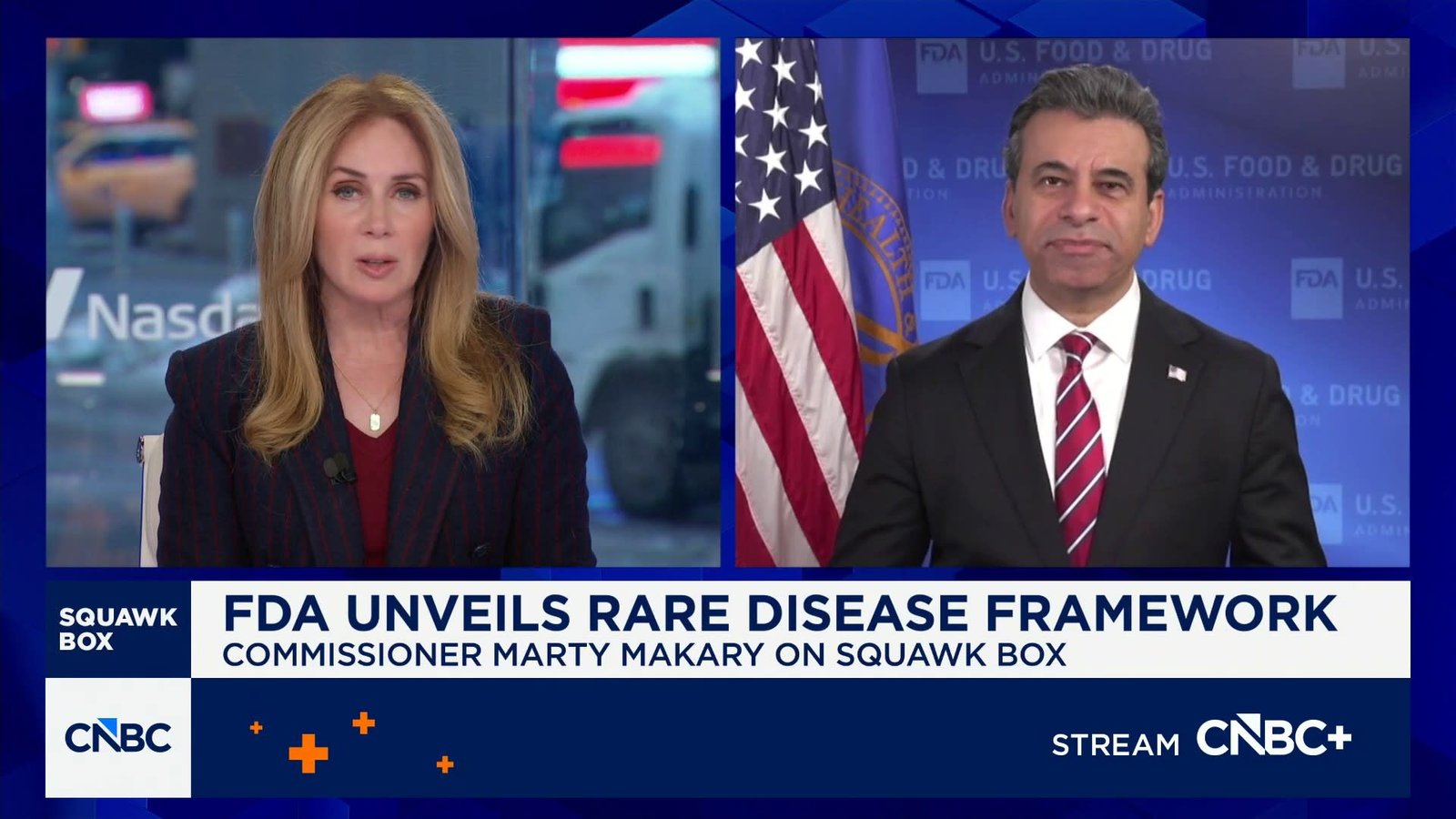
FDA Commissioner Marty Makary recognized Prasad’s efforts during his leadership period, noting that despite ongoing challenges, meaningful advancements were achieved within biologics evaluation and research.
Industry Concerns Over Inconsistent Regulatory Guidance
The past year has seen growing frustration among biotech firms due to what many describe as fluctuating FDA guidance. Recent data from RTW Investments reveals that at least eight drug applications faced rejection or discouragement because of doubts about data robustness. As an example, Moderna’s application for a flu vaccine was initially declined for review but reconsidered only after public advocacy intensified.
- Shifting Approval Standards: Companies report difficulties adapting to sudden changes in evidentiary requirements that disrupt development timelines.
- Innovation at Risk: Experts warn these unpredictable shifts may slow progress on treatments addressing complex diseases with unmet medical needs.
An Insider’s Viewpoint on Regulatory Ambiguity
A former FDA official speaking anonymously described these reversals as symptomatic of “regulatory uncertainty,” emphasizing how inconsistent messaging erodes industry trust in approval processes.
The FDA’s Position on Review Transparency
An agency representative refuted claims of ambiguity, asserting that all decisions are firmly grounded in scientific evidence without guaranteed outcomes. The spokesperson highlighted rigorous independent evaluations rather than automatic approvals for new therapies.
The Gene Therapy Approval Challenge: UniQure Case Study
Tensions heightened recently when UniQure was advised against seeking accelerated approval for its experimental gene therapy targeting Huntington’s disease-a decision viewed by some experts as reflective of broader procedural hurdles within the FDA review framework.
Bigger Picture: Organizational Shifts Under New HHS Leadership
The FDA has experienced notable staffing cuts and structural changes under Health and Human Services Secretary Robert F.Kennedy Jr., fueling debate about potential delays in drug approvals and concerns regarding patient safety across areas such as vaccines and rare disease treatments.
“Maintaining transparency is essential to preserve confidence among innovators working tirelessly to deliver life-saving medicines,” remarked an industry analyst familiar with recent developments.
A Crucial Moment for Drug Development Oversight Amid Rising Global R&D Investment
This transition represents a critical juncture not only for leadership within one of America’s leading health agencies but also for future evaluation standards amid increasing scientific complexity worldwide. pharmaceutical research and development investments surged past $240 billion globally in 2024 alone,underscoring heightened expectations around regulatory clarity and innovation facilitation across emerging therapies targeting diverse health challenges.

