Federal Agent Shooting Triggers Unrest in Minneapolis Neighborhood
Details of the Incident and Immediate Consequences
In Minneapolis late Wednesday night, a federal law enforcement officer discharged a weapon during an attempted arrest at a traffic stop, injuring a manS leg. The Department of Homeland Security (DHS) identified the individual as an undocumented migrant from Venezuela. Officials described the shooting as a “defensive shot” following resistance from the suspect.
The encounter began with what DHS called a “targeted traffic stop.” The man initially fled in his vehicle before escaping on foot. Upon capture, authorities reported that he resisted violently and assaulted the federal agent. Additionally, two other individuals from a nearby residence allegedly attacked the officer using household items such as broomsticks or shovels.
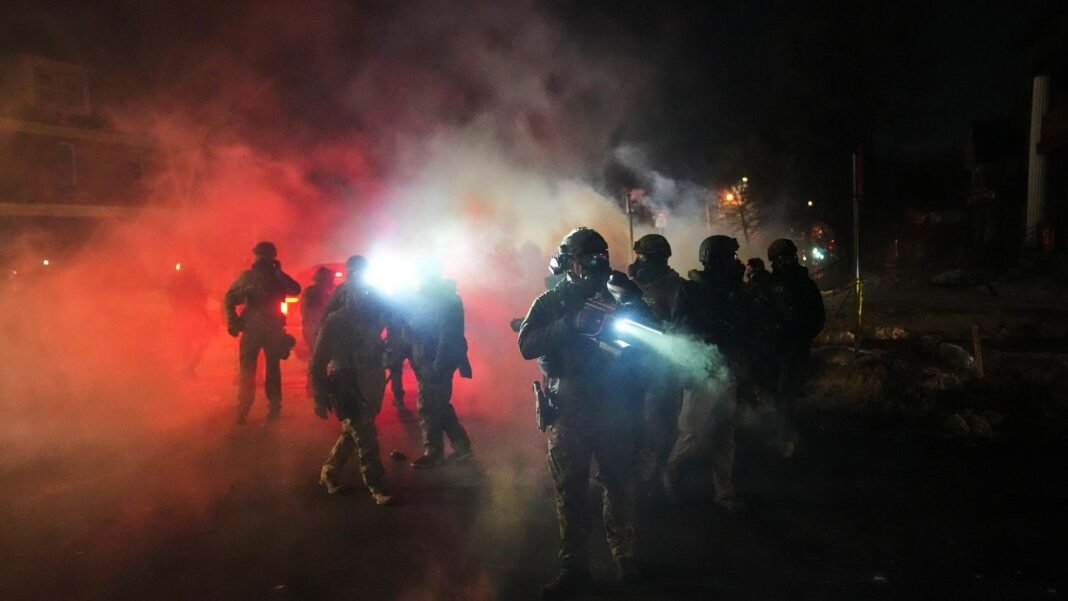
After this confrontation, all three suspects barricaded themselves inside their apartment. Tactical units responded by breaching the premises with flash-bang devices to regain control. Both the injured man and officer were hospitalized for treatment while two others were taken into custody.
Community Outcry and Federal Response
The shooting sparked protests outside the scene where over 200 demonstrators gathered overnight. Some protesters reportedly threw snowballs at armed Border patrol agents stationed nearby. To manage escalating tensions, federal officers deployed chemical irritants to disperse crowds obstructing law enforcement activities.
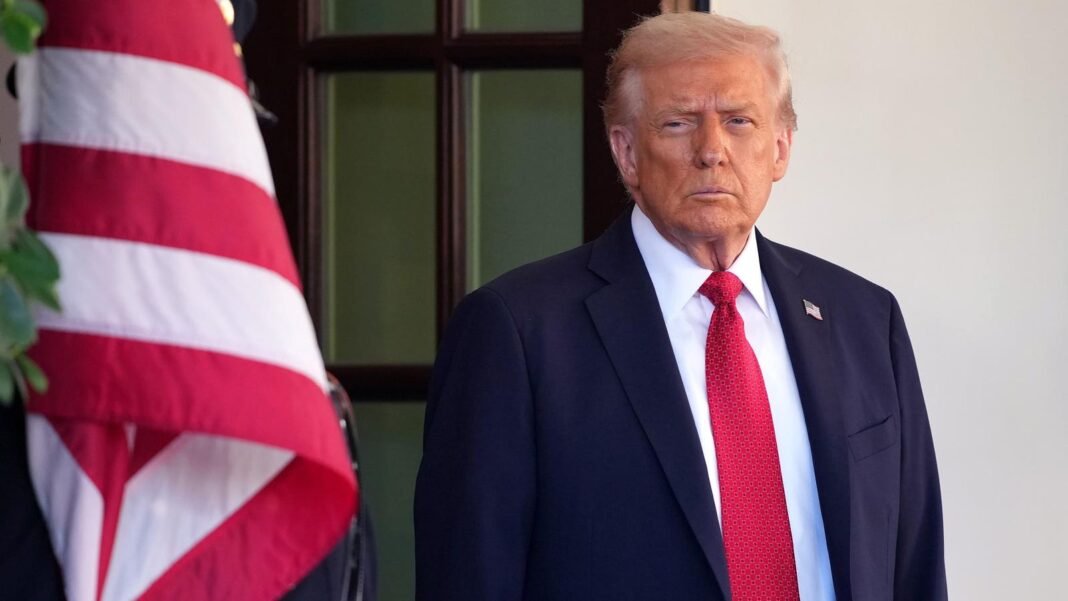
A swift reaction came from President Donald Trump via social media threats to invoke the Insurrection Act-a seldom-used law permitting military intervention in domestic disturbances-to restore order amid ongoing clashes between protesters and federal personnel.
local Officials Express Concern Over Federal Enforcement Tactics
Minneapolis mayor Jacob Frey voiced serious concerns about continued ICE operations within city limits following these events. He stressed that manny details remain unclear but criticized federal agents’ presence for intensifying violence rather than improving public safety-pointing out that several recent shootings have involved ICE personnel themselves.
Police chief Brian O’Hara confirmed only one person was wounded by gunfire; this injury is not life-threatening. He urged protesters near the incident site to disperse immediately due to unlawful assembly after some threw fireworks at officers attempting crowd control measures.
minnesota Governor Denounces Militarized Immigration Raids
Minnesota Governor Tim Walz condemned aggressive immigration sweeps carried out by masked ICE agents operating under heavily militarized conditions in neighborhoods predominantly inhabited by communities of color. He accused these agents of indiscriminately stopping people-including U.S citizens-and demanding documentation without probable cause or due process.
“This operation has long ceased being about immigration enforcement,” Walz declared,“and instead represents organized brutality against Minnesotans.”
The governor demanded an immediate halt to what he described as an occupation imposed on Minnesota residents by federal forces.
Court Upholds Immigration Raids Despite Legal Challenges
A recent court ruling supported ongoing immigration raids authorized under previous governance policies despite lawsuits filed by state officials seeking injunctions against alleged unlawful conduct by Homeland Security agents operating locally.
This decision received praise from President Trump who commended ICE efforts aimed at removing dangerous criminals from Minnesota-though critics highlight numerous cases where American citizens have been mistakenly detained or harassed during these operations.
The Human Toll: Fear Within Affected Communities
- Anxiety Among Civilians: Many residents report fear caused by masked officers detaining individuals without clear justification or openness;
- Civil Rights Issues: Allegations include property damage during raids and mistreatment of vulnerable groups such as pregnant women;
- Erosion of Due Process: Critics argue rapid arrests without warrants undermine constitutional protections guaranteed under U.S law;
Bigger Picture: national Implications Amid Rising polarization
This episode underscores mounting tensions between local communities advocating immigrant rights and aggressive federal immigration enforcement nationwide-especially amid increasing political polarization surrounding border security policies heading into 2026.
The Minneapolis case exemplifies challenges faced when balancing public safety priorities with civil liberties across diverse urban settings today.
Following early Thursday morning dispersals led by Customs and Border Protection leadership arriving onsite, questions persist regarding future relations between local governments seeking autonomy over policing practices versus federally mandated immigration crackdowns enforced through paramilitary tactics.
The outcome will likely shape broader debates on managing migration flows while respecting human rights within American cities throughout mid-2020s policy discussions moving forward.