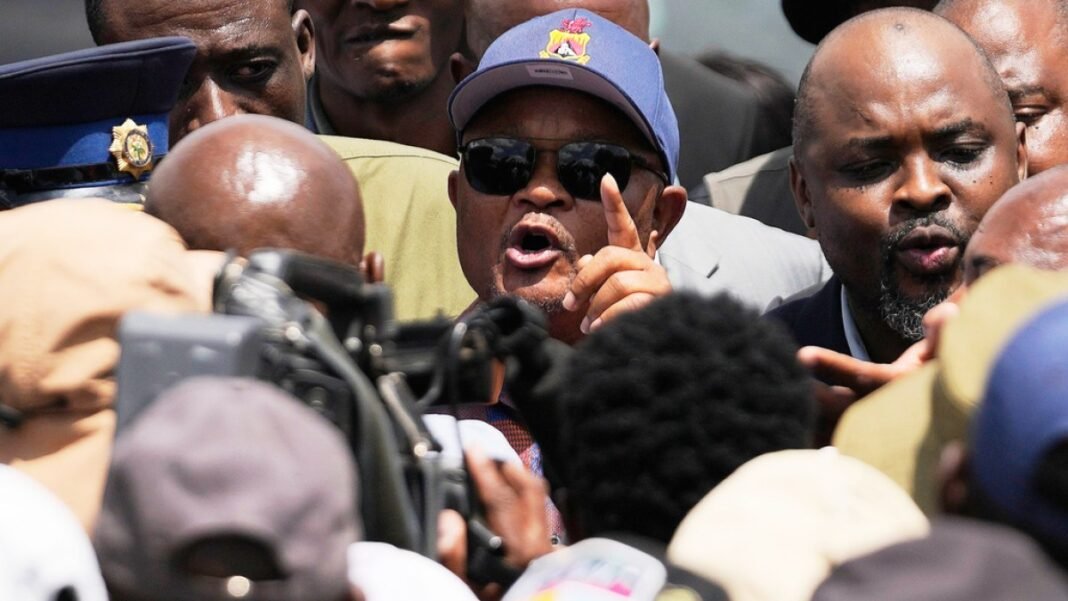
Muhammadu Buhari: A Defining Force in Nigeria’s Political Landscape
The Unprecedented Victory of an Opposition Candidate
Muhammadu Buhari, Nigeria’s former president, passed away at the age of 82 after a lengthy illness. His death closes a pivotal era in the nation’s political history.
In 2015, Buhari achieved a historic milestone by becoming the first opposition candidate in Nigeria’s democratic period to defeat an incumbent president.His triumph over Goodluck Jonathan was celebrated as one of the most transparent and credible elections ever conducted in Nigeria.
From Military Commander to Democratic Leader
Buhari initially rose to power through a military coup during the early 1980s. Decades later, he transitioned into civilian politics, adopting customary Nigerian attire and presenting himself as a “reformed democrat.” This reinvention broadened his appeal beyond his military roots and helped him connect with diverse segments of Nigerian society.
Austerity and Anti-Corruption: Pillars of Buhari’s identity
Renowned for his stern approach and relentless fight against corruption, buhari crafted an image centered on moral integrity. He famously declared that he belonged “to everybody and nobody,” signaling his intent to rise above entrenched political factions within Nigeria.
This persona resonated strongly with many Nigerians frustrated by widespread corruption; it became one of the defining features of his governance despite numerous obstacles encountered during his tenure.
Security Struggles Amid Enterprising Promises
Upon assuming office,Buhari vowed to eliminate Boko Haram insurgents from northeastern Nigeria and restore peace nationwide. however, violence intensified beyond this region throughout his presidency. By its conclusion, various armed groups-including separatist militants and criminal gangs-operated with increasing freedom across multiple states.
The emergence of ISWAP (Islamic State West Africa province),which rivaled Boko Haram itself,further complicated security challenges. Additionally, kidnappings surged dramatically in northwestern regions where law enforcement agencies struggled to maintain control.
The Overextension of Military Forces
- Nigeria’s military was stretched thin attempting to confront multiple threats concurrently;
- This dispersion diluted their operational effectiveness;
- Consequently, insurgent activities expanded rather than diminished during Buhari’s leadership period.
economic challenges Under Buhari’s Leadership
Buhari confronted significant economic headwinds that impeded national progress efforts. Even tho once Africa’s largest economy by GDP size measured at $514 billion (2021), by mid-2023 Nigeria had fallen behind three other African nations due largely to several factors:
- A rigid policy focused on maintaining naira currency strength created complex exchange rate distortions;
- The country endured two recessions triggered by volatile global oil prices impacting government revenues;
- Tensions with Niger Delta militants disrupted critical oil production infrastructure;
- The COVID-19 pandemic exacerbated economic recovery difficulties worldwide including within Nigeria.
An Analytical Perspective on Economic Governance
“Buhari struggled significantly managing economic affairs,” noted experts analyzing fiscal policies during this era. “His insistence on preserving currency value led to market inefficiencies that stifled growth.”
A Legacy Defined by Integrity Amid Unfinished Reforms
Muhammadu buhari stands as both an emblematic figure for democratic progress and as a leader whose ambitions were only partially realized. While critics underscore failures especially related to security lapses and economic mismanagement, supporters highlight his incorruptible character-a rare trait among politicians often associated with graft nationally.
- buhari forged broad coalitions cutting across ethnic divisions through appeals grounded in honesty rather than patronage networks;
- This strategy enabled him to secure two presidential terms despite intense opposition forces;
- No credible evidence surfaced implicating him in personal enrichment either during or after holding office-an uncommon distinction among contemporary African leaders today.
navigating Complex Politics With Steadfast Principles
“He did not pursue wealth accumulation,” observers reflect when considering why many Nigerians admired him despite frustrations over governance outcomes.
This aspect ensures that history will remember him positively even if some objectives remained unfulfilled.”