Emerging Difficulties Faced by Undocumented Migrant Workers in Taiwan
Unseen Hardships of Migrant Laborers
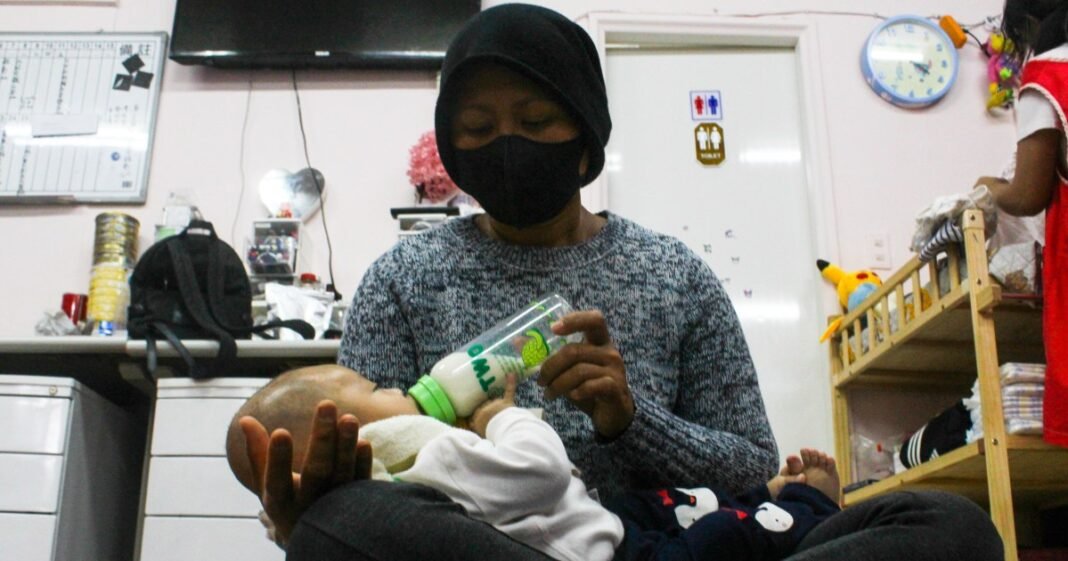
bernard, a 45-year-old Filipino migrant laborer residing in Taiwan, takes great care to remain unnoticed. During his daily travels through crowded urban areas,he speaks softly and frequently adjusts his face mask to avoid recognition. invitations from fellow Filipinos are often declined due to fears of being reported to immigration officials.
Initially arriving legally in 2016 for employment at an electronics manufacturing plant, Bernard’s circumstances shifted dramatically after mid-2024 when he became part of Taiwan’s growing undocumented workforce. He largely blames this change on the influence of his employment broker-an intermediary who manages contracts but also exerts significant control over migrant workers’ lives.
The Broker system: control and Consequences
Taiwan introduced its broker system in 1992 intending to simplify labor recruitment. However, these brokers now dominate many aspects of migrants’ lives-from housing arrangements and meals to contract negotiations and access to public services.
Bernard recounts how his broker tried confiscating his passport and pressured him into resigning without severance pay. When Bernard resisted, the broker blacklisted him from other employers, effectively barring him from legal job opportunities.
This situation is widespread; official statistics indicate that over one-third of complaints submitted by migrant workers to Taiwan’s Ministry of Labor involve brokers. These intermediaries typically charge monthly fees between $50 and $60 while also collecting payments for job transfers,insurance coverage,leave days,and essential paperwork.
A Rapidly Expanding Undocumented Population
The number of undocumented migrants living in Taiwan has surged sharply-doubling within four years-to nearly 90,000 as reported earlier this year by government sources. Vietnamese nationals form the largest group with approximately 57,600 individuals followed by Indonesians (28,300) and Filipinos (close to 2,800).
Despite Taiwan’s image as a liberal democracy within Asia-Pacific regions known for relatively strong human rights protections, undocumented Southeast Asian workers endure constant threats of deportation while being excluded from social safety nets such as healthcare or legal safeguards.
Migrant Perspectives: Navigating Life Outside Legal Protection
“I feel like a bird trapped inside a cage,” Bernard shared when describing life on society’s fringes after escaping exploitative conditions imposed by brokers.
Migrants like Mary-a pseudonym used for privacy-have similarly fled abusive childcare roles only to find themselves working illegally on farms scattered across mountainous regions near Taichung City. There they harvest fruits such as lychees or tend vegetables like bok choy under informal agreements tolerated by local landowners who maintain tacit understandings with law enforcement not to aggressively intervene against runaway workers.
The cost Behind Informal Employment
This unofficial workforce fills vital seasonal labor shortages yet remains highly vulnerable: wages are often withheld after harvest; lodging complaints risks immediate deportation; health insurance is unavailable; social protections disappear once outside formal channels.Migrants frequently earn less than half the mandated minimum wage ($944 per month), especially those employed through brokers who deduct fees before disbursing paychecks.
Taiwanese Government Actions Amid Controversy
The Ministry of Labor attributes much growth in undocumented cases partly due to pandemic-related disruptions affecting deportations worldwide as early 2020 lockdowns altered migration patterns globally.
- Main policy responses include:
- An increase in minimum wage levels;
- Tightened inspections targeting recruitment agencies;
- A suspension mechanism aimed at agencies linked with high absconding rates;
- Easing agency fee burdens through cooperation with sending countries;
Punitive fines imposed on overstaying migrants have escalated sharply-from $330 up to $1,657-a measure criticized heavily by advocates arguing it discourages voluntary surrender rather than addressing root causes behind absconding behavior.
“Raising penalties without enhancing protections is both unjustifiable and counterproductive,” says an advocate involved with Taipei-based migrant welfare programs focused on shelter support across metropolitan areas.
Lack Of Legal safeguards In Key Industries Worsens Conditions
Sectors such as fisheries and domestic caregiving remain exempt from standard labor laws including minimum wage guarantees despite employing large numbers of vulnerable migrants whose workplaces lack oversight mechanisms common elsewhere.This regulatory void drives dissatisfaction leading many workers toward irregular status seeking better pay or conditions outside formal contracts despite inherent risks.*”
Civil Society Initiatives Supporting At-Risk Migrants
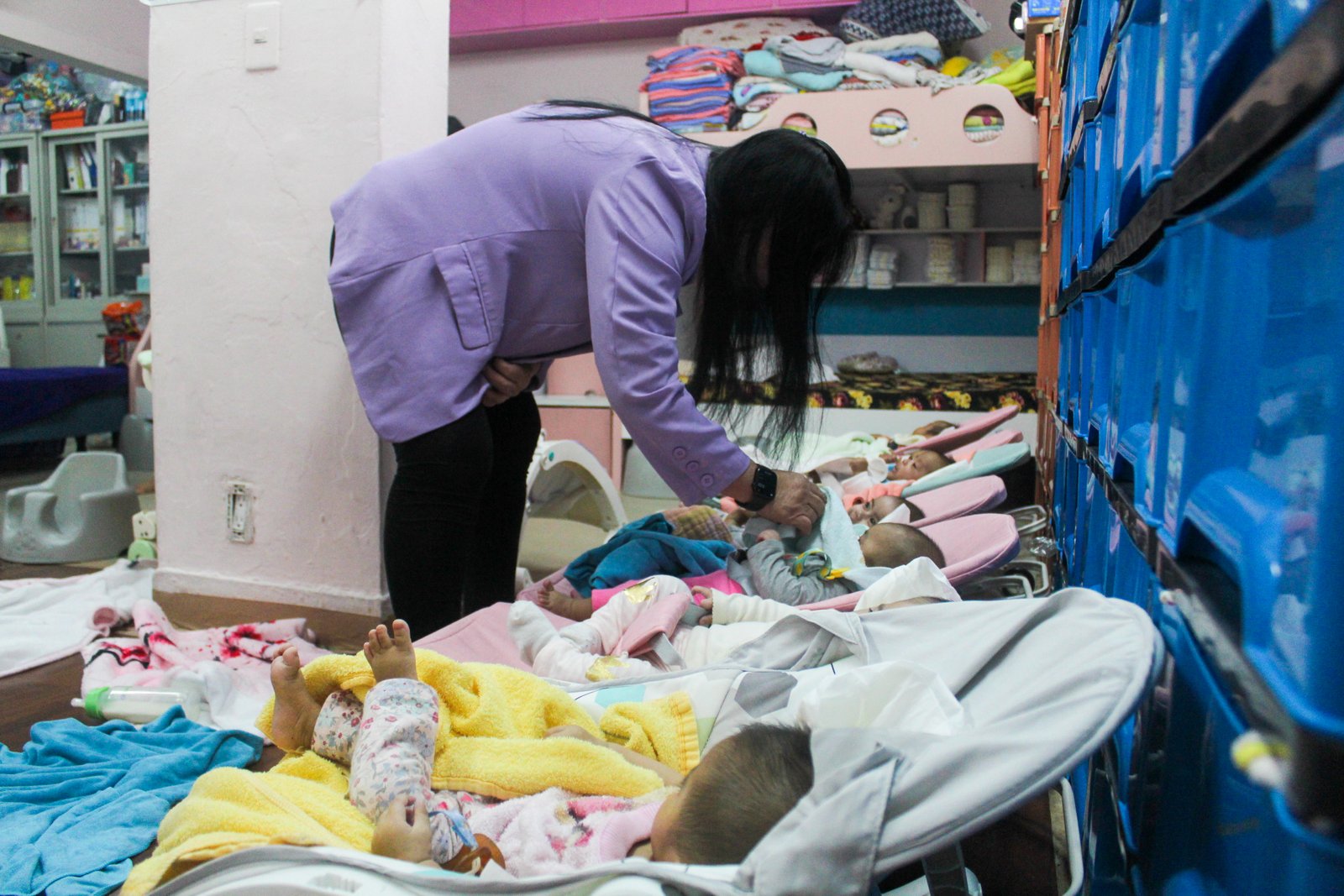
Nongovernmental organizations play crucial roles bridging gaps left open by state policies-for example Harmony Home offers refuge specifically designed for young mothers living without legal status along with their children who cannot be legally registered or face risk of deportation under humanitarian grounds though lacking government funding support covering care costs or medical treatment needs.
The facility reports rising demand:
“In just four months this year we admitted more minors than all last year combined.”
Towards Reform: Building Inclusive solutions
- Labor experts call for greater transparency regarding recruitment expenses alongside stronger monitoring systems aiming eventually toward dismantling exploitative brokerage monopolies entrenched decades ago .
- Proposals include allowing documented but previously runaway migrants limited reentry into regulated agricultural sectors ensuring fair wages plus workplace safeguards currently absent .
- Public acceptance remains arduous given prevailing stigmas surrounding unauthorized workforces requiring ongoing dialog efforts led jointly between government bodies civil society groups affected communities.
“The solution lies not only in enforcing laws but creating viable alternatives so no one feels compelled underground,” says a prominent labor policy analyst based at National Chung Cheng University . “