Chinese AI Innovators Choose Silicon valley Amid Rising Global Strains
The New Wave of AI Founders Seeking Possibility Abroad
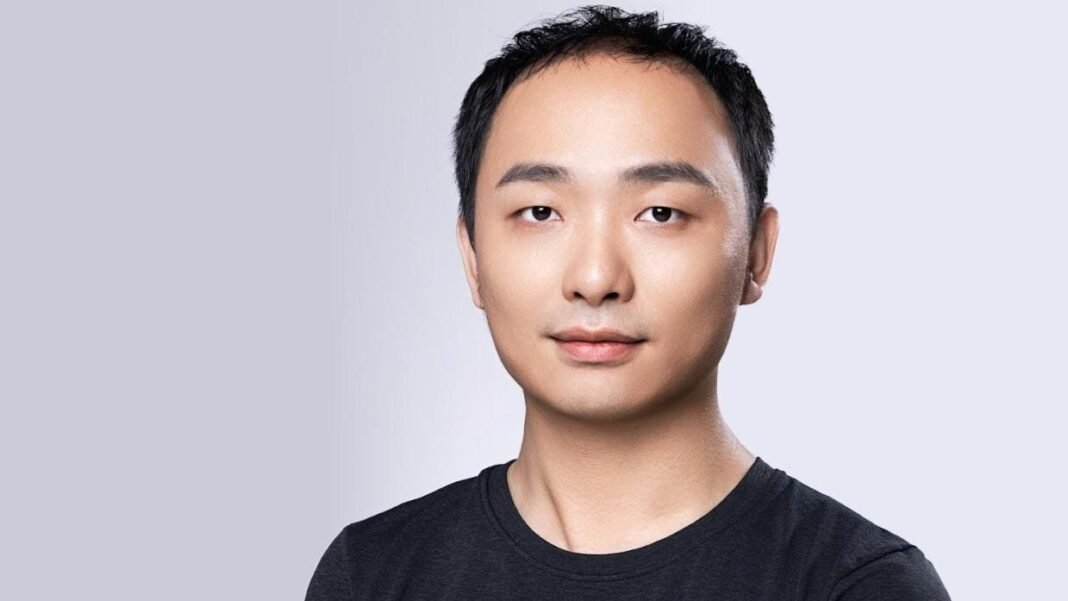
Luyu Zhang, who recently relocated from China to the United States, prioritizes advancing his startup over perfecting English. Speaking through a translator in his Menlo Park workspace, he states, “Mastering English can wait; right now, my focus is entirely on building the company.”
Zhang heads Dify,an artificial intelligence firm that embodies a growing phenomenon: Chinese AI entrepreneurs moving their businesses and families to Silicon Valley despite escalating geopolitical tensions. This trend persists even as the U.S. enforces stricter export controls on cutting-edge AI chips and intensifies concerns about intellectual property security.
Why Silicon Valley Remains the Premier Hub for Global AI Progress
For Zhang, establishing a global AI infrastructure company means positioning oneself where innovation thrives at its peak. He compares this to athletes training not just for local competitions but aiming for the Olympics-Silicon Valley represents that ultimate arena in technology.
Dify began as an open-source platform aimed at simplifying AI application development through low-code tools rather than intricate backend programming. It now ranks among github’s top 60 most-starred repositories worldwide and serves over 280 enterprise clients including companies like Siemens and pfizer. The firm employs roughly 100 people globally while maintaining profitability.
A Hybrid Model: Founded in China with Operations Overseas
Zhang highlights Meta’s planned $2 billion acquisition of Manus-a startup originally founded in China before relocating to Singapore-as a prime example of what he terms the “China origin + overseas operation” approach. Despite regulatory scrutiny from both American and Asian authorities surrounding this deal, it illustrates how startups navigate complex political environments while pursuing international growth.
The Challenges of Building Truly Global Tech Firms from Within China
The Chinese tech ecosystem primarily caters to domestic markets due to strict regulations and limited global integration opportunities. Zhang stresses that genuinely international companies require access beyond these confines; thus many founders opt for relocation or adopt hybrid operational structures.
Dify keeps its core engineering team of about 60 developers based in China but aggressively expands hiring across Bay Area offices and also Tokyo branches-mirroring strategies employed by othre startups such as Synthesia or RunwayML which have partially or fully shifted teams abroad.
An Entrepreneurial journey Rooted in Early Independence
Zhang’s path began in anhui province where he left school during middle school after earning more than $1,200 monthly coding websites-surpassing his civil servant father’s income early on-and rejecting customary schooling pressures. By 2018 he was leading product teams at Baidu before discovering generative AI technologies around 2022 inspired him to launch Dify with ambitions further fueled after attending Nvidia’s GTC conference.
Navigating Political Complexities While Driving Innovation Forward
This journey is not without hurdles; U.S policymakers remain cautious about sensitive technology transfers related to China’s expanding AI sector while some American investors hesitate engaging with firms backed by Chinese capital amid rising anti-China sentiment within parts of Silicon Valley.
“Consumers buy electronics made in China without hesitation,” Zhang observes, highlighting that not all products carry equal national security risks within ongoing debates.
Dify focuses on open-source software typically hosted independently by customers rather than controlled platforms vulnerable to influence concerns or export-restricted hardware development-distinguishing itself from politically sensitive areas like social media algorithms or advanced chip manufacturing sectors.
The Vital Contribution of Chinese talent within U.S.-Based AI Research
- A recent analysis identified over one hundred prominent researchers born in China working at American institutions; nearly nine out of ten remained stateside years later despite attractive opportunities back home;
- The founding team at Meta Superintelligence Labs includes seven members born in China among eleven total immigrants;
- This ongoing talent exchange demonstrates how innovation ecosystems transcend political divides even amid strategic rivalry between global superpowers.
Toward Balanced Views on Cross-Border Collaboration
Lake Dai from Sancus Ventures notes an increasing number-over one hundred entrepreneurs recently approached her regarding relocating startups stateside-as foreign investment retreats from mainland China partly due to tighter venture funding conditions there.
She advocates moving beyond blanket suspicion toward nuanced assessments balancing national security concerns with openness:
“Welcoming visionary founders eager to build next-generation AI companies hear benefits everyone ultimately.”
A Pragmatic Mindset Over Politics for Ambitious Founders
Zhang sums up plainly: “Entrepreneurs coming from China are motivated not by politics but by creating impactful products used worldwide.” For him-and many others-the unparalleled concentration of talent, abundant capital availability, and deep infrastructure found only within Silicon Valley make it indispensable regardless of diplomatic tensions.
In essence: competing globally requires playing where competition is fiercest-not retreating behind borders shaped solely by geopolitics.