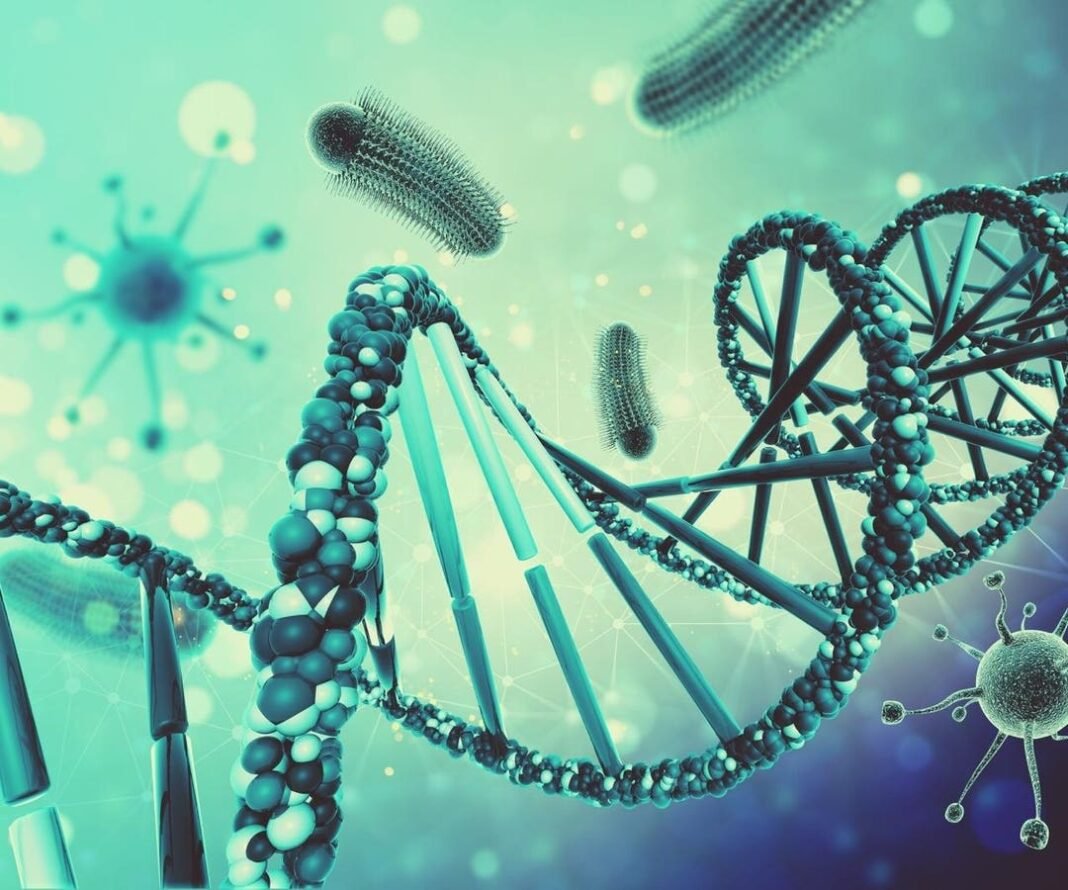
Transforming Genetic Medicine with Cutting-Edge Gene-Editing Innovations

Revolutionizing Treatment: The Rise of Internal DNA Repair Mechanisms
A novel gene-editing strategy now enables the correction of multiple genetic mutations simultaneously, offering renewed optimism for millions suffering from intricate hereditary diseases such as cystic fibrosis and Tay-Sachs disease. This breakthrough leverages bacterial retrons-natural DNA repair systems-to replace large defective DNA segments within living cells. Unlike conventional therapies that typically target one or two mutations at a time, this approach overcomes previous limitations by addressing extensive genomic regions in a single intervention.
Gene Editing Explained: Modifying Life’s blueprint
At its core, gene editing encompasses technologies that directly alter an organism’s genetic code inside living cells. By modifying, repairing, or disabling specific DNA sequences, these tools can influence inherited traits and hold promise for preventing or curing genetic disorders. Imagine the genome as an enormous instruction manual for building and maintaining the body; gene editing acts like a meticulous editor correcting errors or removing faulty sections responsible for disease.
The most widely used tool today is CRISPR, renowned for its precision and adaptability.It uses an RNA guide to direct the Cas9 enzyme to precise locations on the DNA strand where it creates cuts.These breaks activate cellular repair mechanisms which can be harnessed either to delete harmful sequences or insert corrected ones using supplied templates. Compared to earlier methods, CRISPR offers superior accuracy with fewer unintended effects.
Challenges in Current Gene-Editing Approaches
Despite successes in fixing single-point mutations or excising short faulty segments, many inherited conditions involve numerous dispersed mutations across broad genomic areas-making them difficult targets for existing techniques.Disorders like Huntington’s disease and certain muscular dystrophies exemplify these challenges where efficiently replacing long stretches of defective DNA remains technically demanding due to difficulties delivering large corrective templates into cells.
Bacterial Retrons: Harnessing Nature’s Genetic Defense Systems
The inspiration behind recent advancements stems from bacteria’s ancient antiviral defense tactics. Species such as E.coli employ retrons-clusters of genes encoding reverse transcriptase enzymes alongside unique non-coding RNAs-that internally generate small pieces of DNA during viral attacks.
- This self-produced DNA triggers programmed cell death in infected bacteria, halting virus replication by sacrificing individual cells to protect the larger population.
The modularity of retron components allows scientists to swap their sequences and fuse them with various proteins controlling cellular responses during infection events. Researchers have repurposed these natural molecular machines into programmable factories capable of synthesizing custom-designed DNA fragments inside human cells-a transformative leap poised to reshape gene therapy fundamentally.
A New Paradigm: Producing Repair Templates Within Cells
A significant obstacle in conventional gene editing lies in delivering external corrective DNA into target cells-a process often compared to sending fragile parcels through turbulent weather where many never arrive intact or on time. In contrast, retron-based methods empower living cells themselves to manufacture necessary repair templates internally exactly when required.This internal production greatly enhances efficiency and stability , boosting the likelihood that precise corrections take hold without degradation or loss common during delivery steps inherent in older techniques.
Pioneering Applications Demonstrate Vast Potential
the latest research shows engineered retrons can generate tailored long-DNA templates within human cells enabling simultaneous replacement across extended faulty genomic regions rather than just minor edits.
This capability is vital because many inherited diseases arise from widespread mutational damage instead of isolated errors.
This innovation paves the way toward treating complex disorders previously considered untreatable by standard CRISPR alone due to size constraints on editable regions.
Expanding Medical Frontiers: Impacts on Healthcare and Research
If successfully integrated into clinical practice,bacterial retron technology coudl dramatically improve treatment accessibility for conditions including cystic fibrosis variants, hemophilia subtypes, neurodegenerative illnesses like Parkinson’s disease-and beyond-by simplifying delivery challenges while minimizing side effects commonly linked with genome editing procedures.
Moreover,bacterial retrons complement existing editors such as Cas12a (Cpf1) enzymes , enabling gentler modifications without cutting both strands simultaneously; this reduces cellular stress responses considerably enhancing safety profiles.
Additionally,retrons facilitate tagging proteins within live cells transforming them into dynamic laboratories where researchers can observe real-time changes in gene activity accelerating fundamental biological discoveries alongside therapeutic breakthroughs.
Consequently,this dual functionality promises not only better patient outcomes but also faster innovation cycles across biomedical research worldwide.
Navigating Future Prospects & Challenges Ahead
Although early results are promising,the journey toward widespread clinical adoption demands thorough validation through rigorous trials ensuring safety,long-term effectiveness,and ethical standards are fully met.Still,the momentum behind reengineering bacterial defense mechanisms heralds a transformative era wherein personalized medicine becomes more precise,predictable,and globally accessible.
As ongoing studies deepen understanding,retron-driven platforms may soon underpin curative treatments targeting diverse inherited ailments once deemed incurable,making profound impacts on global public health outcomes worldwide.