Noteworthy Astronomical Phenomena and Space Endeavors to Anticipate in 2026
As 2026 unfolds, it offers a fresh opportunity to anticipate unusual cosmic spectacles and groundbreaking space explorations. The previous year dazzled us with the discovery of a rare interstellar visitor, breathtaking auroral displays, and the launch of innovative observatories that expanded our understanding of the universe.
This upcoming year is set to deliver an remarkable lineup of celestial events alongside enterprising missions that will engage both amateur stargazers and professional astronomers worldwide.
Brilliant Meteor Showers Illuminating Our Skies
Meteor showers continue to be some of the most accessible and thrilling astronomical occurrences for observers everywhere. The year begins with the Quadrantids, active from December 28 through January 12. Their peak night falls between January 2 and early January 3, when under ideal conditions, observers might witness up to 120 meteors per hour.
This shower is characterized by a sharp but fleeting peak lasting only a few hours, making precise timing essential for optimal viewing. Unfortunately, this year’s Quadrantids coincide with a bright full moon that will significantly diminish meteor visibility. Additionally, typical winter weather patterns may bring cloud cover that further complicates observation efforts.
The summer months offer another spectacular display: the famed Perseid meteor shower. Active from July 17 through August 24 with its maximum on August 12-13, it can produce as many as 150 meteors per hour when skies are clear.
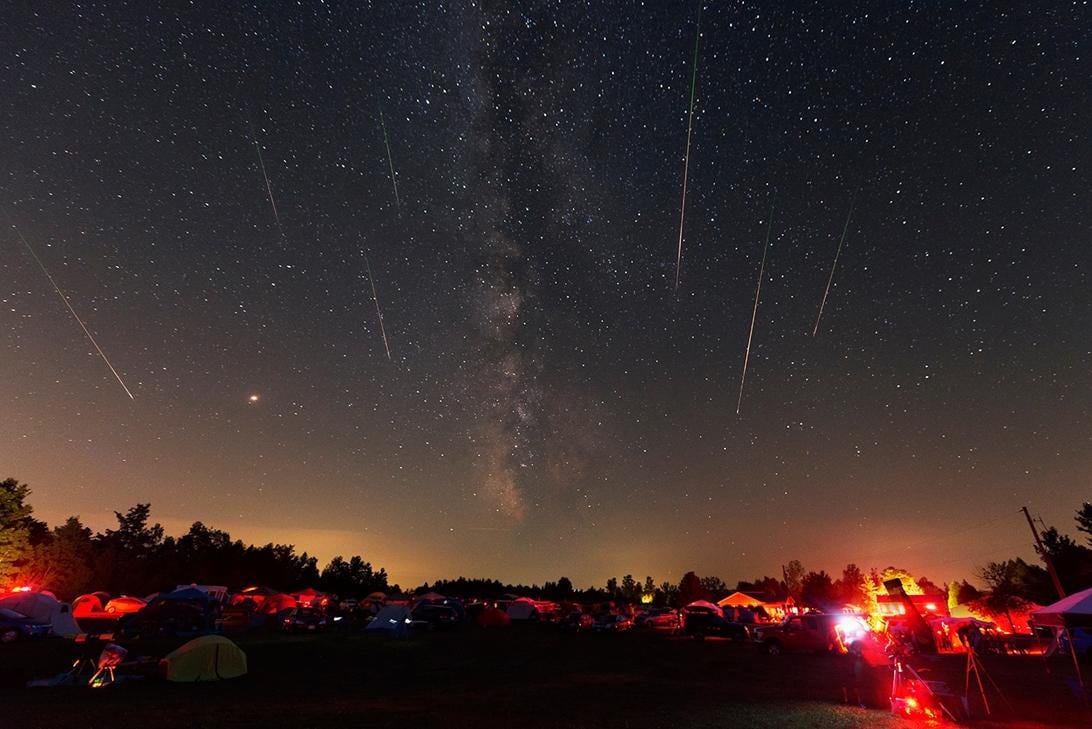
This year’s Perseids benefit from minimal moonlight interference due to their alignment with a new moon phase-ideal conditions for spotting even faint shooting stars far away from urban light pollution.
The final major meteor event arrives in December featuring the Geminid meteor shower. Occurring between December 4 and December 17 with its zenith on December 13-14, this shower rivals or surpasses the Perseids by producing up to approximately150 meteors per hour under dark skies. A waxing crescent moon ensures only slight disruption during prime viewing times this season.
Lunar Mission Milestone highlighting Canadian Astronaut Jeremy Hansen’s Role
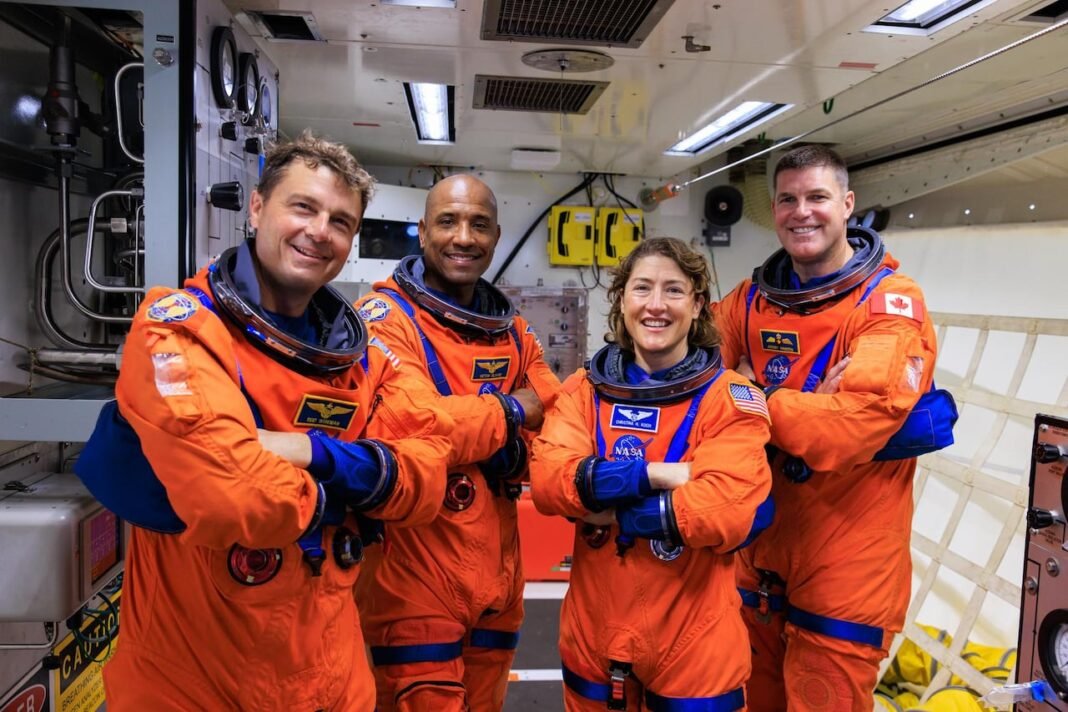
A landmark crewed lunar expedition is scheduled for launch as NASA prepares Artemis II-the first manned mission following its triumphant uncrewed test flight-to venture beyond Earth orbit once again. This nearly ten-day journey aims not just at orbiting Earth but also circling around the Moon before safely returning home.
The astronaut crew features NASA’s Reid Wiseman,Christina Koch,Victor Glover-and notably Canadian Space Agency astronaut Jeremy Hansen-who will represent Canada on this pioneering deep-space voyage.
The mission window opens on February 5th of 2026. During their trajectory around lunar orbit they will conduct vital system checks while performing scientific observations farther than any humans have traveled sence Apollo missions decades ago-surpassing even Apollo 13’s record distance from Earth set in 1970.
Eclipses Across Canada: A Year Filled With Celestial Shadows and Light shows
- Total Lunar Eclipse – March 3:
Residents throughout western Canada-from British Columbia extending into Northwest Territories-will experience complete coverage as Earth’s shadow fully obscures the Moon.
Eastern regions will witness partial phases near moonset just before it disappears below their horizon. - total Solar Eclipse – August 12:
While totality graces parts of Arctic nations such as Greenland and Iceland along with Spain,
Canada enjoys an impressive partial solar eclipse best observed centrally or toward eastern provinces where sunlight appears “nibbled” by Earth’s shadow. - Partial lunar Eclipse – August 28:
most Canadians nationwide can observe earth’s shadow covering nearly all but a small crescent
a striking reddish-orange glow often called “blood moon,” caused by atmospheric light scattering effects.
The Mechanics Behind Eclipses & New Moon Alignments Explained
eclipses occur when Earth, Moon, and Sun align precisely-a rare event not guaranteed every new moon despite common misconceptions.
This rarity makes phenomena like August’s total solar eclipse especially thrilling because they require near-perfect celestial positioning.
Together these eclipses provide multiple opportunities within one calendar year to witness dramatic interactions between light and darkness visible right hear at home!
Pioneering Missions Set To Broaden Our Cosmic Understanding In 2026
- An Ambitious Expedition To Venus: Rocket lab plans an innovative probe deployment targeting Venus’ dense atmosphere aimed at detecting organic molecules potentially linked to life forms within its clouds-a follow-up inspired by earlier detections suggesting phosphine gas presence high above Venus’ surface indicative of possible biological activity.
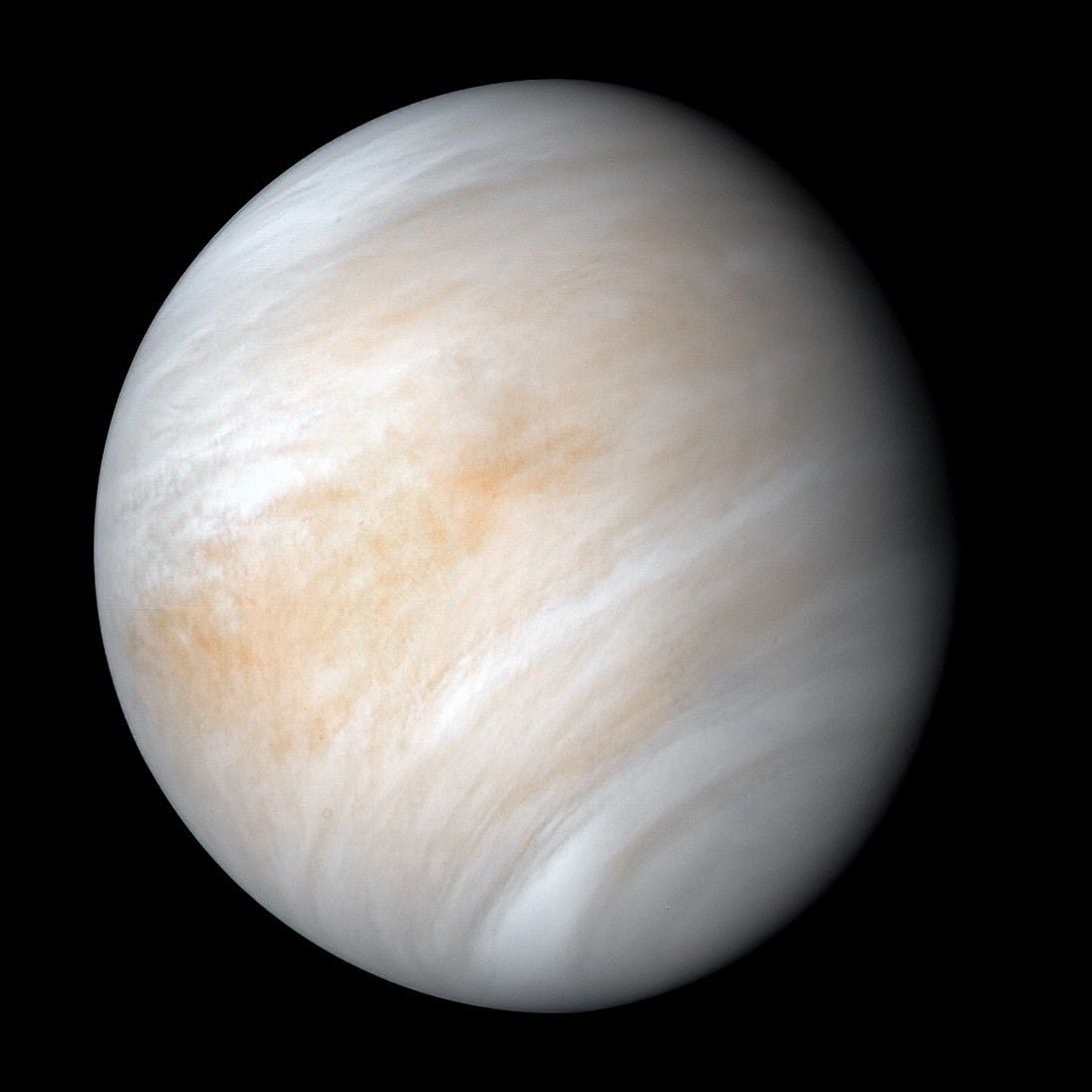
An upcoming mission seeks signs of life-related chemicals previously detected within Venus’ cloud layers (NASA/Kevin M. Gill). - Japan’s Martian Moons Sample Return Project: Scheduled during the year, this spacecraft targets Mars’ moons Phobos & Deimos, with objectives not only to study them remotely but also collect physical samples returned directly back to Earth.
This represents another meaningful step toward unraveling Mars’ surroundings via analysis of its natural satellites.