How Global Conflicts Are Reshaping Travel and Aviation in 2026
Middle East Tensions Trigger Massive Disruptions in Air travel
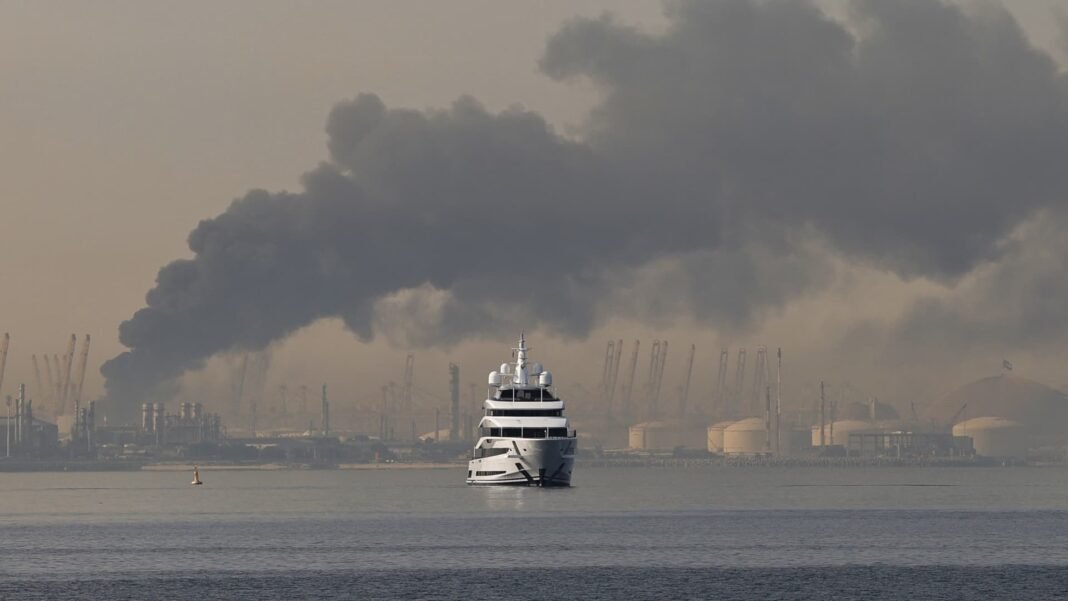
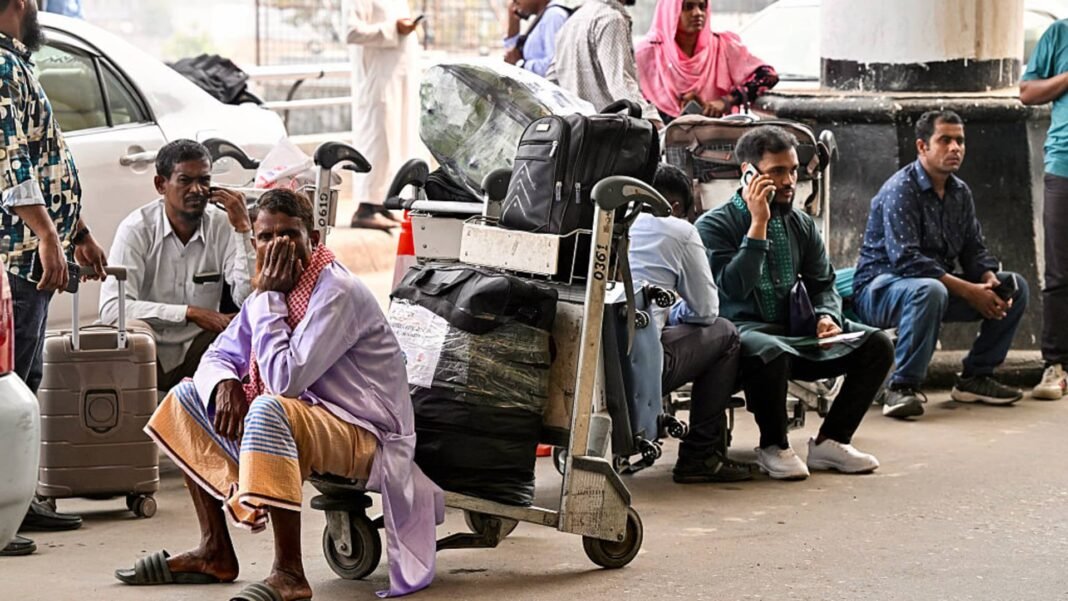
The recent military actions involving the U.S. and Israel against Iran have caused widespread interruptions throughout international aviation networks.More then one million travelers worldwide faced delays or cancellations as over 20,000 flights were grounded due to extensive airspace restrictions, according to leading aviation data analysts.
This disruption extends beyond airports; for instance, cruise liners such as MSC Cruises’ MSC Euribia, carrying upwards of 6,300 passengers, remain anchored in Dubai while the company works tirelessly to secure alternative transportation options. Despite these setbacks, onboard conditions have remained stable and orderly.
Dubai International Airport-the busiest global hub for international passengers-has been directly affected by retaliatory strikes from Iran targeting the UAE and neighboring nations including Qatar and Jordan. These escalating hostilities have left airlines scrambling to find viable routes for stranded travelers amid limited alternatives.
Unprecedented Challenges Confronting the Aviation Sector
Aviation experts describe this crisis as unparalleled since major historical disruptions like 9/11 due to its vast geographic impact and prolonged operational challenges. Governments are urging citizens within affected regions to evacuate promptly while coordinating charter flights from countries such as Saudi Arabia, Israel, UAE, and Qatar.
The ripple effects also extend into hospitality: drone attacks damaged prominent landmarks in Dubai including accor’s Fairmont The Palm Hotel-where several non-guests sustained injuries-and sparked fires at iconic sites like Burj Al Arab.
Global Conflict Zones Amplify Tourism Instability
The turmoil is not isolated to the Middle east but forms part of a wider pattern unsettling travel markets worldwide:
- Caribbean Airspace Closures: Early this year saw U.S.-led operations resulting in Venezuela’s president Nicolás maduro being detained. This event triggered widespread Caribbean airspace shutdowns that left tourists stranded at luxury resorts during peak vacation periods.
- Flight suspensions Amid Mexico Violence: Following the death of cartel leader Nemesio Oseguera (“el Mencho”) in February,violence surged around popular tourist hubs like Puerto Vallarta and Guadalajara causing numerous flight cancellations impacting thousands of visitors seeking coastal escapes.
The cumulative effect forces airlines into costly rerouting or outright cancellations while hotels respond with flexible booking policies or discounts aimed at offsetting losses. For example,qantas now operates its Perth-to-London route via Singapore for refueling stops-a detour that increases passenger capacity but complicates scheduling logistics considerably.
The Economic Impact Behind Travel Interruptions
The global tourism industry generates nearly $12 trillion annually making it highly vulnerable to instability along key travel corridors or destinations. Mexico alone depends on tourism for close to 9% of its GDP; last year it welcomed almost 100 million visitors who spent an estimated $35 billion domestically-figures now threatened by ongoing unrest.
Navigating Uncertainty Ahead of Major Global Events

This year’s FIFA World Cup hosted across Canada, Mexico, and the United states is expected to attract millions globally; however current conflicts dampen traveler confidence significantly.
In Puerto Vallarta-a vital Mexican resort city-airlines such as Delta Air Lines have cut back flight frequencies through April while Alaska Airlines and Southwest Airlines reduced services starting March. Local hotels report a near 10% drop in bookings prompting promotional offers ranging from 10%-20% ahead of spring break.
“Although initial bookings declined due to security issues including cartel-related road blockades,” explained Victor Razo from Rivera del rio hotel,“the situation has since stabilized without reaching pandemic-era lows.”
An Industry Adapting Amidst Turbulence
This volatile environment highlights how interconnected geopolitical events reshape travel patterns globally-even regions far removed from direct conflict zones face consequences such as soaring airfare prices-as experienced by Zoey Gong who paid more than double her original fare flying through Dubai-and disrupted itineraries affecting millions monthly worldwide.
Succeeding during these turbulent times demands adaptability from travelers alongside innovative strategies within aviation and hospitality sectors striving not only toward recovery but building resilience against future shocks impacting an $11.7 trillion industry essential both economically and culturally across continents.