Global Financial Markets Respond to U.S.-Israeli Military Strikes in Iran
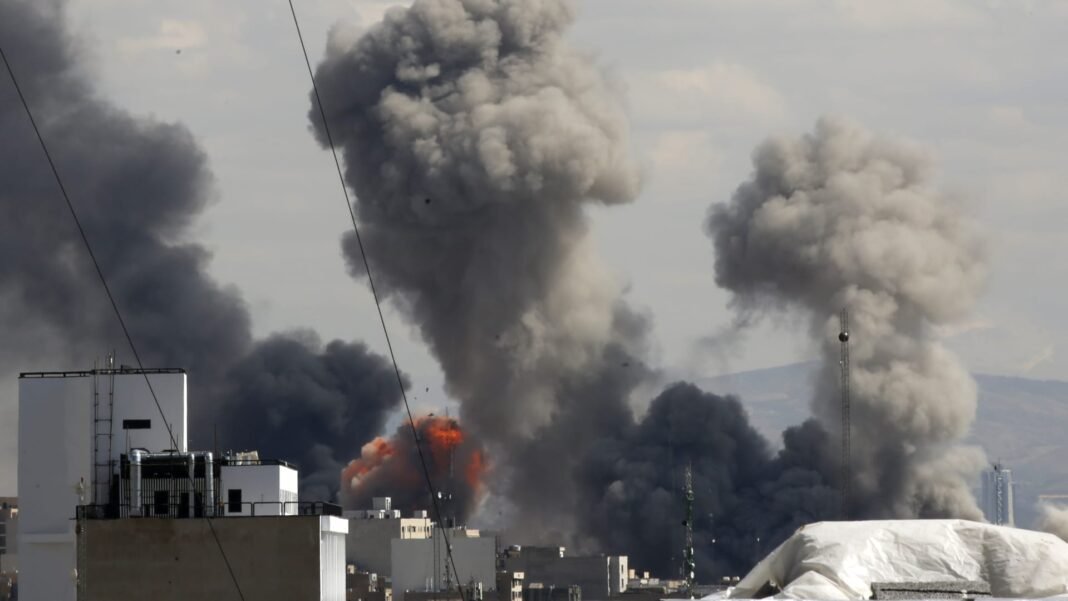
Tehran’s skyline was shrouded in thick smoke as a series of coordinated airstrikes by U.S. and Israeli forces rocked the city, triggering multiple explosions that resonated across residential areas. This operation, named Epic Fury, represents a meaningful escalation in the already volatile Middle Eastern geopolitical landscape.
Stock Market Reactions Across the Middle East
The immediate aftermath of these strikes saw notable downturns on several regional stock exchanges. Saudi Arabia’s Tadawul index dropped sharply, while Oman’s Muscat market and Bahrain’s bourse also closed with losses amid heightened investor anxiety. In contrast, major financial hubs such as Dubai, Abu Dhabi, and Tel Aviv delayed their market openings until monday due to ongoing uncertainty. Experts predict that these disruptions will have cascading effects on global markets over the next few days.
Heightened Oil Price Fluctuations amid Supply Chain Concerns
The energy sector is experiencing increased volatility following these events. Brent crude prices are projected to climb above $85 per barrel as fears mount over potential interruptions in oil supply routes-even though OPEC recently raised output by 500,000 barrels daily earlier this year.
The strategic Strait of Hormuz remains a focal point for concern; it channels nearly one-fifth of worldwide oil shipments annually. Following retaliatory attacks reported by Iran’s Revolutionary Guard against several tankers in Gulf waters, leading shipping companies like CMA CGM and evergreen Marine have suspended vessel transits through this critical passage indefinitely. As a result, many shipments are being rerouted around Africa’s Cape of Good Hope-a detour adding weeks to delivery schedules and substantially increasing transportation expenses.
Widespread Disruptions Impacting Air Travel
aviation networks throughout the Middle East have been severely disrupted as hostilities commenced. On Sunday alone, more than 1,700 flights were canceled regionally while global flight tracking data indicated upwards of 21,000 delays worldwide linked directly to airspace closures or rerouting measures implemented for safety reasons. Airlines continue facing logistical hurdles as they strive to resume normal operations and organize repatriation flights for passengers stranded due to sudden cancellations.
The Role of Artificial Intelligence in Contemporary Military Operations
This conflict underscores an evolving intersection between AI technology advancements and modern warfare tactics. While investors have been captivated by AI’s transformative impact across various sectors recently, reports reveal that U.S defense units employed Anthropic’s Claude AI system during these strikes despite Pentagon warnings labeling Anthropic as a “supply chain risk.” The company has resisted full military integration demands citing ethical concerns about autonomous weapon systems-highlighting ongoing debates surrounding governance frameworks for emerging technologies amid geopolitical tensions.
investor Outlook Amid Persistent Uncertainty
With tensions remaining high and no clear resolution timeline visible yet, investors face considerable unpredictability regarding diplomatic progress or further escalation risks. Statements from U.S leadership indicate military objectives may be advancing faster than expected; however market participants must balance short-term volatility against possible long-term shifts affecting regional alliances and economic stability.
- Middle East equities: Closely observe reopening sessions for indications of recovery or additional declines influenced by evolving geopolitical developments.
- Energy commodities: Anticipate continued price swings driven largely by accessibility challenges at key transit points such as the Hormuz Strait.
- Aviation stocks: Monitor airline earnings closely given widespread cancellations alongside changing travel restrictions impacting passenger demand globally.
- Technology sector: Track regulatory changes related to AI deployment within defense applications which could indirectly influence tech investments tied into national security policies.
“In today’s world where geopolitics merges intricately with technological innovation,” analysts emphasize that “investors must remain agile-accounting not only for immediate shocks but also structural transformations shaping future financial landscapes.”