Google’s Minnesota Data Center to Utilize 1.9 Gigawatts of Renewable Energy with Innovative Battery Storage
Google is preparing to launch its first-ever data center in Pine Island, Minnesota, located about an hour southeast of Minneapolis. This facility will be powered by a remarkable 1.9 gigawatts of renewable energy and will incorporate a cutting-edge 300-megawatt battery system developed by the pioneering startup Form Energy.
Integrating Vast Renewable Resources: Wind, Solar, and Next-Gen Storage
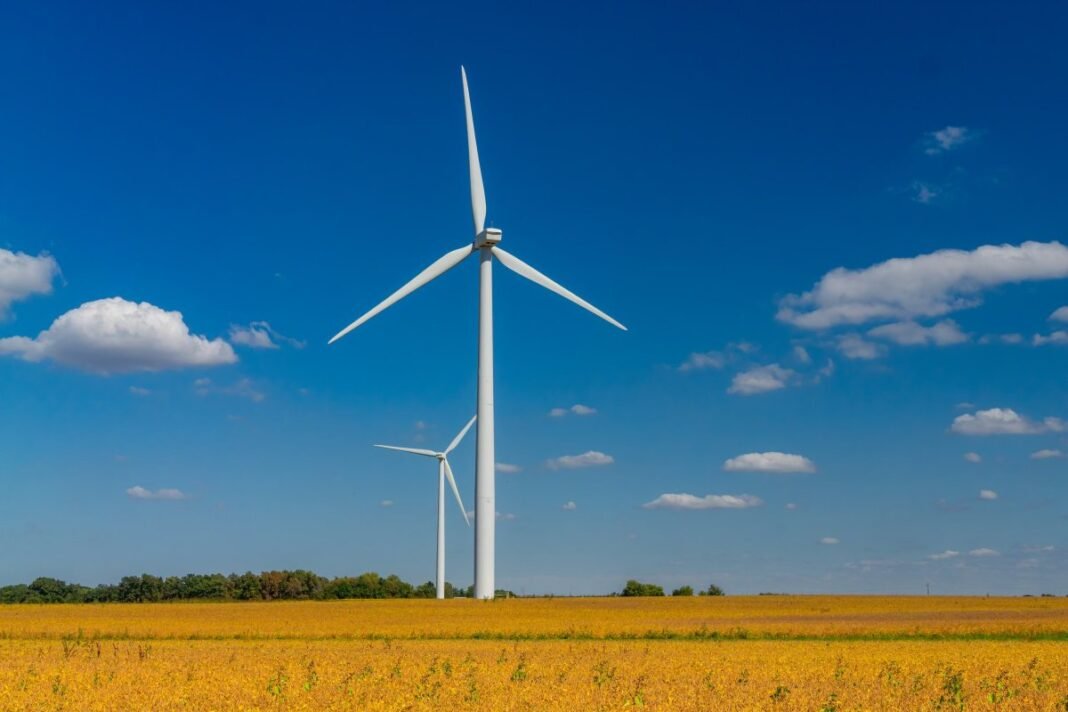
The project is a collaboration with Xcel Energy to install 1.4 gigawatts of wind turbines alongside 200 megawatts of solar panels. These clean energy sources will feed into form Energy’s battery system, which can provide continuous electricity for up to 100 hours without interruption. With an overall capacity nearing 30 gigawatt-hours, this installation is set to become the largest battery storage facility globally dedicated to sustaining clean power at a data center.
The Impact of Long-Duration Batteries on renewable Energy Stability
Batteries capable of long-duration storage like those from Form Energy are essential for maintaining grid reliability when solar and wind generation fluctuate or cease during nighttime or calm weather periods-a process known as “firming” the grid. While lithium-ion batteries currently dominate large-scale energy storage due to their efficiency and fast response times, they typically offer backup power only for several hours.
Form Energy’s iron-air technology significantly extends this duration by chemically storing electricity through reversible rusting reactions rather of relying on lithium-ion chemistry adapted from electric vehicles or consumer electronics.
Understanding Iron-Air Battery Technology
This innovative battery operates by allowing oxygen from ambient air to react with iron pellets inside each cell, causing oxidation (rust) that generates electrical current during discharge. To recharge the battery, an electric current reverses this reaction-removing oxygen and restoring metallic iron while releasing oxygen back into the atmosphere.
Although these iron-air batteries have lower round-trip efficiency-typically between 50% and 70%, compared with over 90% seen in lithium-ion systems-their major advantage lies in affordability. The company estimates that their technology could reduce storage costs down to around $20 per kilowatt-hour stored-at least three times cheaper than traditional lithium-ion alternatives.
A Practical Example: Expanding Clean Storage Capacity Locally
an initial pilot deployment is underway in Minnesota through a partnership with Great River Energy cooperative utility. This exhibition unit stores approximately 150 megawatt-hours over roughly four days (100 hours) while delivering up to 1.5 megawatts at peak output-showcasing real-world long-duration storage capabilities on a community scale before scaling up for Google’s extensive data center requirements.
Innovative Utility Models Accelerating Clean Technology Adoption
this initiative also introduces a novel utility fee structure tailored specifically for minnesota utilities striving toward cleaner grids without regulatory hurdles that often favor lowest-cost electricity sources over emerging technologies.
The approach-sometimes referred to as a “clean transition tariff” or “clean energy accelerator charge”-was initially piloted by Google in Nevada alongside enhanced geothermal startup Fervo Power under similar terms allowing utilities like Xcel Energy greater flexibility in adopting promising but early-stage clean projects without financially burdening regular customers; instead Google assumes additional risk premiums linked with pioneering technologies such as iron-air batteries.
Sustained Manufacturing Supported by Major Investment
Form Energy produces its advanced batteries domestically at its West Virginia manufacturing plant and has secured meaningful funding totaling $1.4 billion so far-a clear indicator both of investor confidence and rising demand worldwide for cost-effective long-duration energy storage solutions amid accelerating decarbonization efforts across sectors including tech infrastructure providers like Google.