Internal Strains Within NATO: Historical Disputes and the Greenland Issue
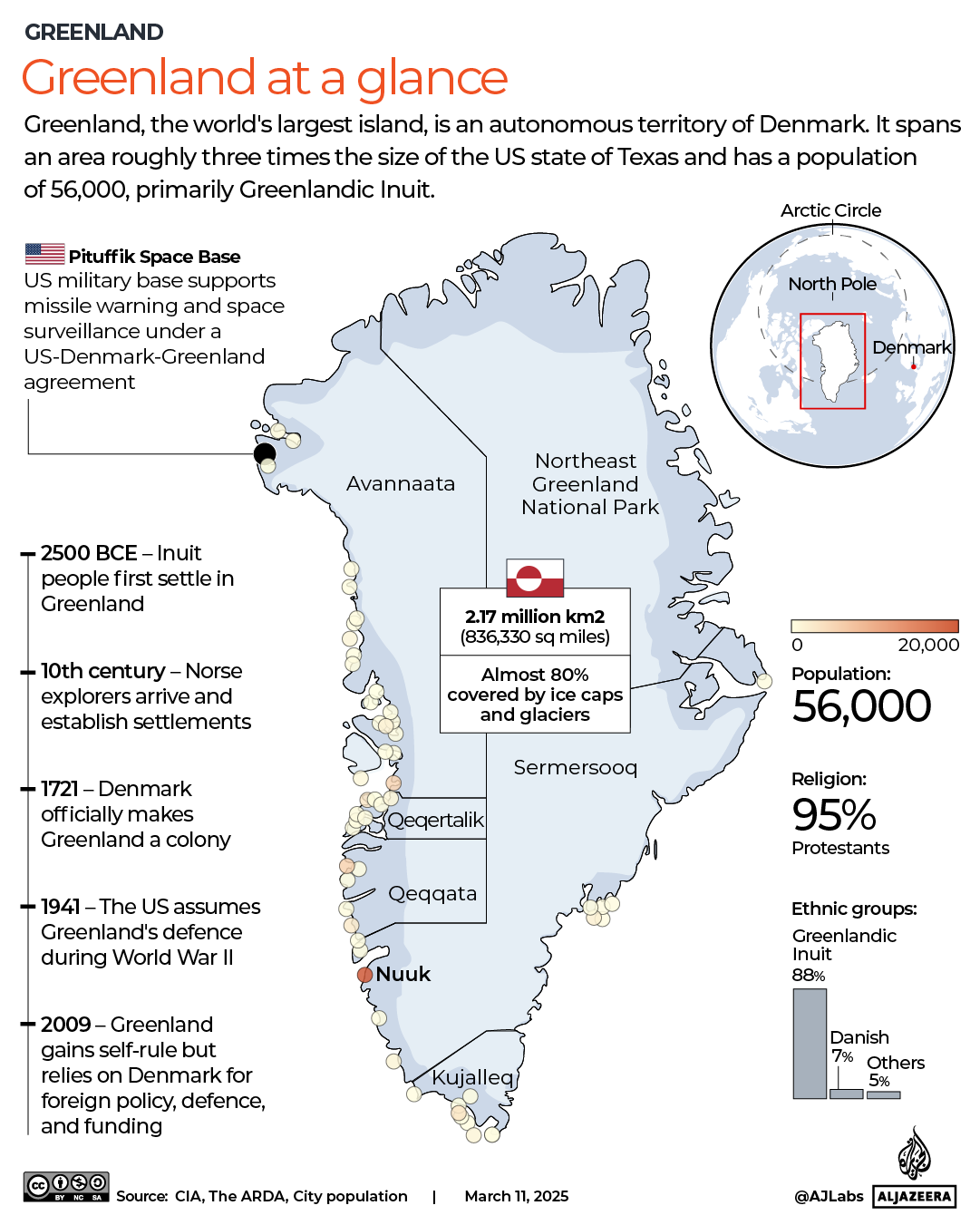
The recent discussions sparked by the Trump administration about potentially purchasing Greenland or employing military measures to secure its Arctic position have brought NATO’s internal cohesion into sharp focus. Greenland, an autonomous territory under Danish sovereignty, hosts the U.S.-operated Pituffik Space base through Danish collaboration. Both Denmark and the United States are founding members of NATO, an alliance that has long embodied transatlantic solidarity.
In response to these developments, European countries and Canada have voiced strong support for Denmark and Greenland, preparing contingency plans in case tensions escalate. Analysts caution that any attempt by one NATO member to claim territory from another would be unprecedented and could undermine Article 5 of the North Atlantic Treaty-the fundamental clause mandating collective defense against external aggression.
The Cornerstone of Alliance: Article 5’s Role Under Pressure
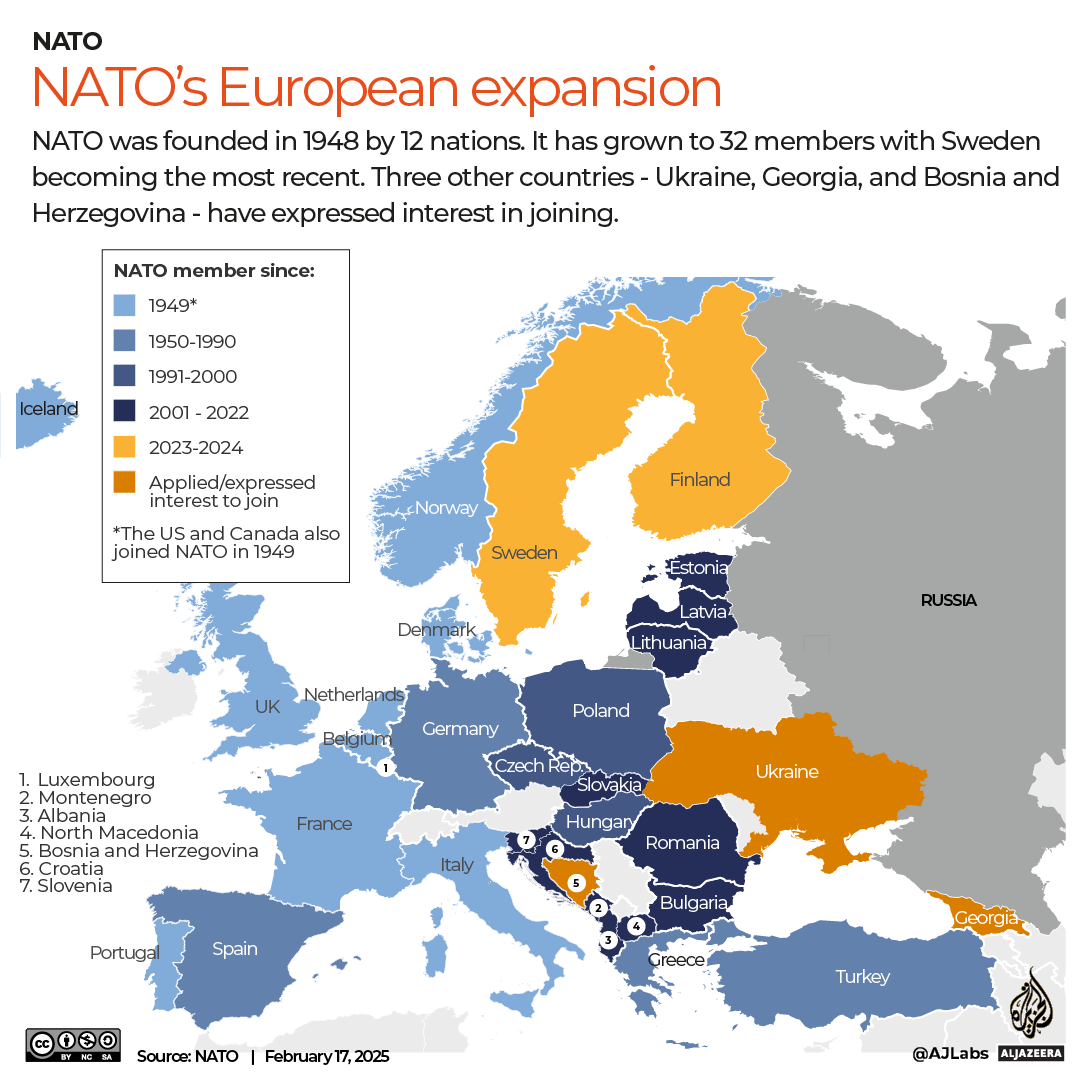
NATO was established on the principle of collective defense as enshrined in Article 5, which states that an attack on one member is considered an attack on all. Since its creation in 1949, this article has been a pillar fostering unity between North America and Europe.
However, activating Article 5 requires unanimous agreement among all members. In scenarios where conflict arises between two allies-such as a hypothetical dispute involving the U.S. and Greenland-this consensus becomes impossible to reach, resulting in a deadlock where no formal alliance response can be initiated.
The only time Article 5 was invoked was after the September 11 attacks in 2001 when all members united against terrorism originating outside their borders.
Historical Frictions Among Allies: lessons from Past Conflicts
NATO‘s history includes several internal disputes ranging from territorial disagreements to conflicting military policies that tested but never broke its unity.
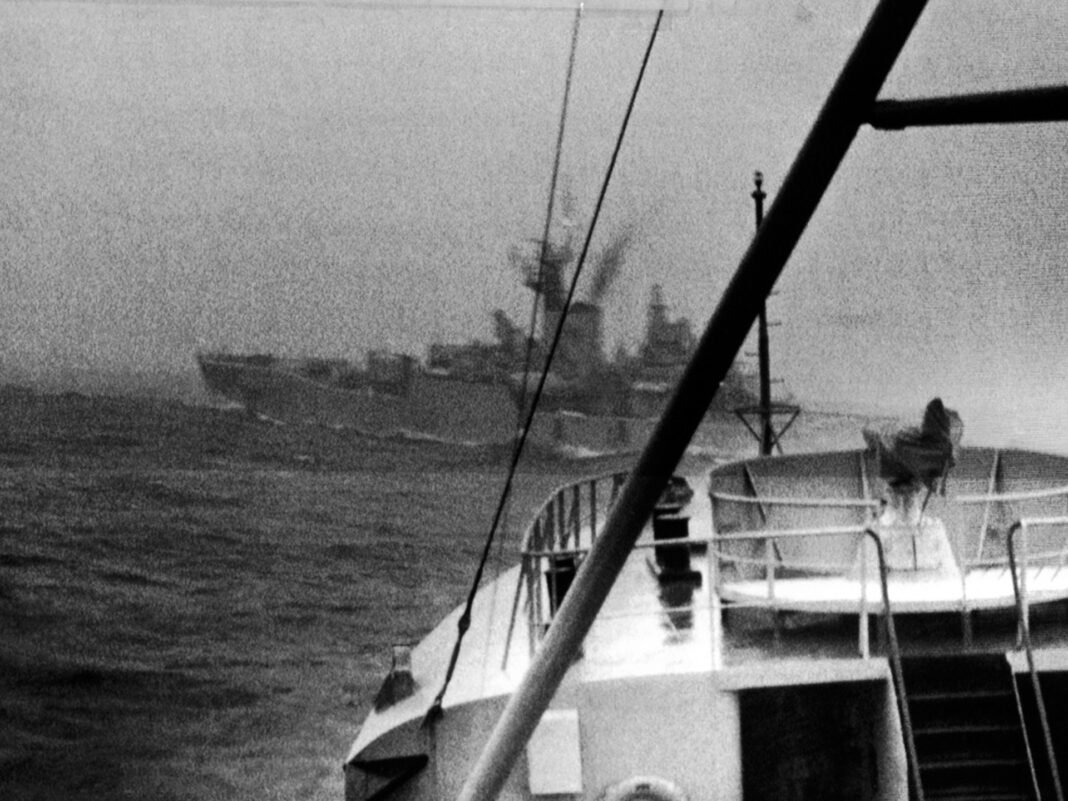
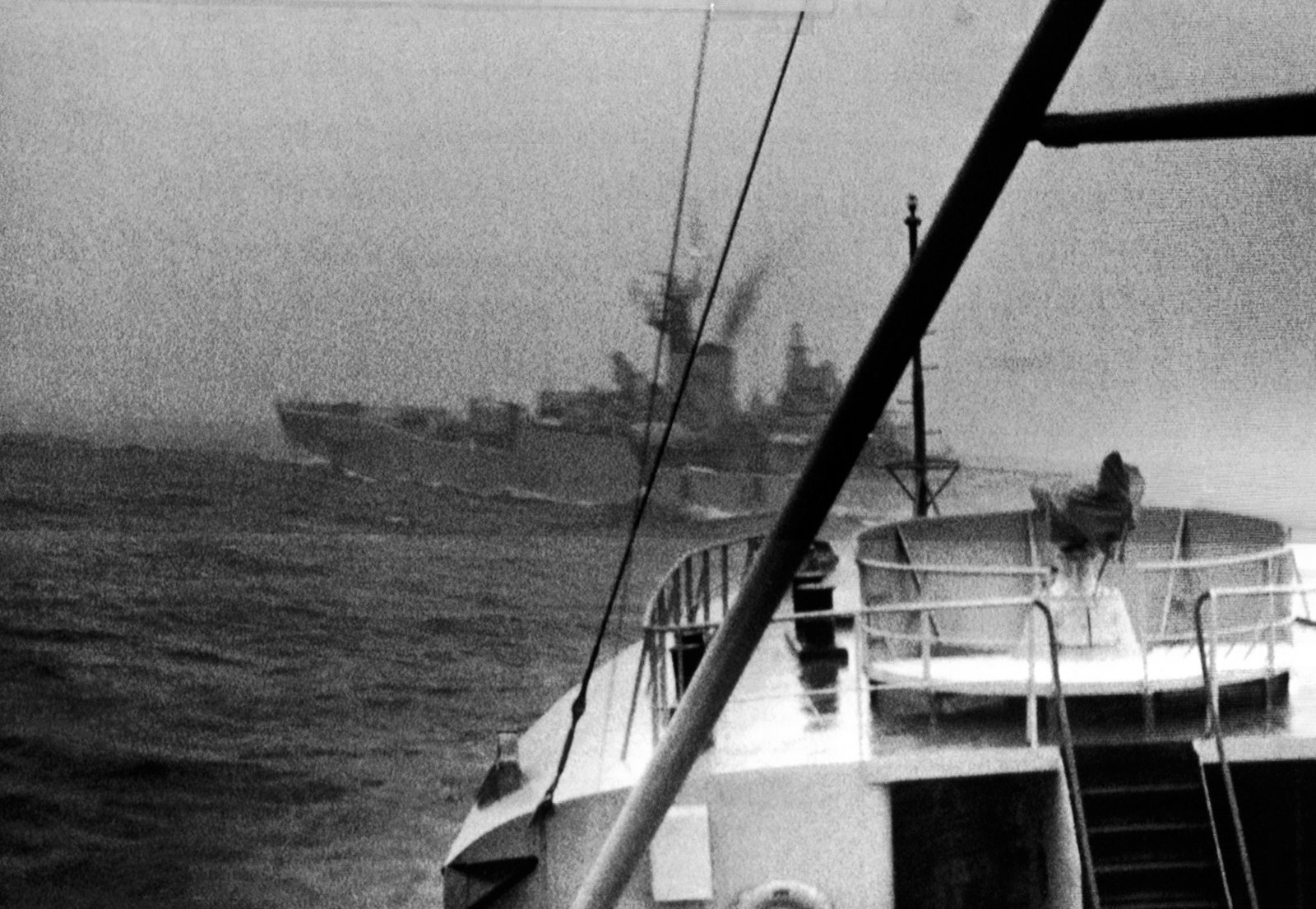
The Cod Wars (1958-1976): Maritime Dispute Between UK and Iceland
A series of confrontations known as the Cod Wars involved Iceland extending fishing limits into contested North Atlantic waters.The UK opposed these claims due to economic stakes but faced pressure from othre NATO partners-especially the United States-which valued access to Iceland’s Keflavik airbase for Cold war surveillance against Soviet naval forces.
This conflict featured aggressive naval tactics such as ramming ships but avoided open warfare. Eventually, Iceland secured international recognition for a new exclusive economic zone extending up to 200 nautical miles-a standard now globally accepted for maritime boundaries.
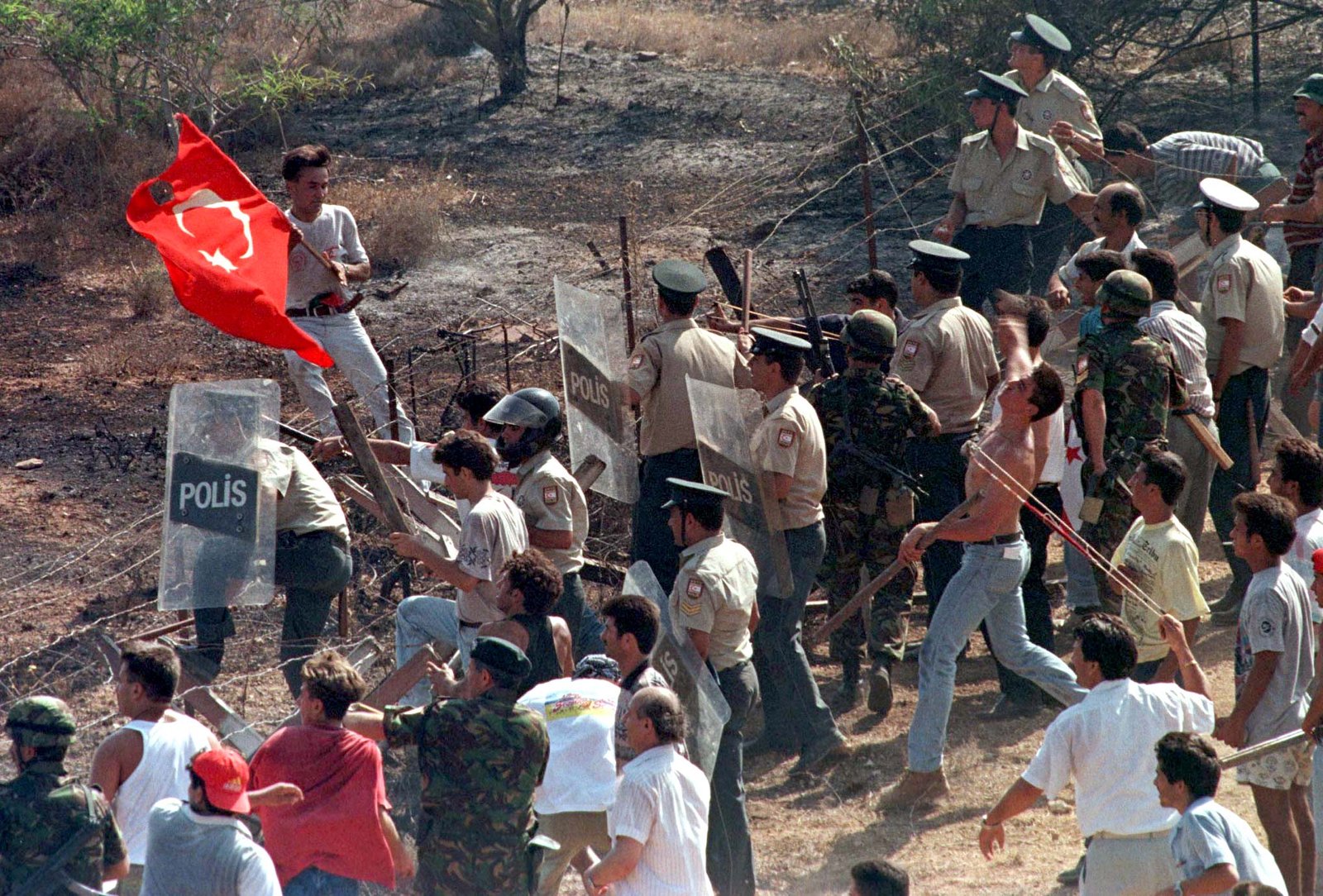
The Cyprus Crisis (1974): Near Conflict Between Greece and Turkey
Tensions escalated when Turkey launched a military intervention following a Greek-backed coup aiming at uniting Cyprus with Greece. This nearly led two key NATO members into direct combat amid Cold War pressures where both nations served as strategic buffers against Soviet influence.
Dissatisfied with perceived bias favoring Turkey within alliance mediation efforts, Greece withdrew from NATO’s integrated military command until rejoining six years later in 1980. Despite clashes on Cypriot soil, full-scale war was avoided through diplomatic negotiations within alliance frameworks.
the Turbot Conflict (1995): Fisheries Dispute Between Canada & Spain
A confrontation arose when Canada imposed strict quotas off its coast targeting turbot stocks threatened by overfishing by European fleets including Spanish trawlers operating just beyond Canadian waters’ jurisdiction. The Canadian Coast Guard escalated tensions by firing warning shots at Spanish vessels and detaining crews-a move met with threats of sanctions from Europe except for support from Ireland and Britain siding with Canada.
This standoff brought allied navies close to confrontation before EU-mediated talks resulted in joint fisheries management agreements resolving disputes peacefully without damaging broader alliance relations.

Divergent Military Policies Among Allies Through History
Suez Crisis (1956): Rift Over Middle East Intervention
An unauthorized invasion planned secretly by France, Britain, and Israel aimed at reclaiming control over Egypt’s nationalized Suez Canal strained relations among Western powers during early Cold War years.The United States opposed this operation fearing escalation with Soviet influence across Middle Eastern oil routes while European allies proceeded regardless-highlighting fractures even among close partners regarding unilateral use-of-force decisions outside UN mandates.
Vietnam War Era Divisions: US Versus European Allies
< p > During America’s prolonged involvement in Vietnam throughout the ’60s-’70s , key European allies like France openly condemned Washington’s strategy . France even exited Nato ‘ s integrated command structure temporarily , returning only decades later . meanwhile , Britain refrained from deploying troops despite public opposition yet provided intelligence assistance . Australia – not Nato member – committed forces independently illustrating complex alliances beyond Nato itself . These disagreements prevented Nato endorsement or unified command participation concerning Vietnam operations .< img src = " https://newsfeed24.website/wp-content/uploads /2026 /01 /localimages/AP01070502023 -1745837493.jpg ?w =770 & resize =770 % ,515 & quality =80 "alt =" U.S Huey helicopters flying formation South Vietnam war era image ."loading =" lazy "fetchpriority =" low ">
Kosovo Air Campaign Opposition (1999) : Greece ‘ s Dissent
< p > When Nato initiated air strikes targeting Serbian forces accused of ethnic cleansing Kosovo region ,Greece voiced strong objections rooted partly due cultural-religious affinities toward Serbia . Public protests blocked British troop movements en route reinforcing intra-alliance discord regarding intervention legitimacy . Greece became frist member state demanding cessation bombing operations highlighting challenges balancing solidarity versus national interests within multinational coalitions .
< img src = " https://newsfeed24.website/wp-content/uploads /2026 /01 /localimages /1999 -04 -30T120000Z _1729892129_PBEAHULUIEI_RTRMADP _03_ALBANIA -1767887265.jpg ?w =770 & resize =770 % ,667 & quality =80 "
alt =
"A British helicopter painted tiger stripes lands near U.S Army camp Tirana Albania April '99"
loading =
" lazy "
fetchpriority =
" low ">
Iraq Invasion Rift (2003) : Deepest Alliance Split Yet
< p > The Iraq conflict exposed profound divisions among Nato states ; while supporting UN resolutions demanding Iraqi disarmament compliance many rejected unilateral U.S-led invasion rationale without explicit Security council authorization – notably France Germany Belgium – resulting stalemate preventing official Nato backing.< strong >Consequently coalition formed outside formal alliance framework leaving article five untriggered despite extensive combat involvement primarily led by U.S., Britain plus smaller contingents.< strong >< strong >< strong >< img
src=
"https://newsfeed24.website/wp-content/uploads/2026/01/localimages/
2011813152233813734_8.jpeg?w=770&resize=770%2C515&quality=80"
alt=
"Tony Blair speaking alongside George W Bush"
loading=
"lazy"
fetchpriority=
"low"/ >
< p > The Iraq conflict exposed profound divisions among Nato states ; while supporting UN resolutions demanding Iraqi disarmament compliance many rejected unilateral U.S-led invasion rationale without explicit Security council authorization – notably France Germany Belgium – resulting stalemate preventing official Nato backing.< strong >Consequently coalition formed outside formal alliance framework leaving article five untriggered despite extensive combat involvement primarily led by U.S., Britain plus smaller contingents.< strong >< strong >< strong >< img src= "https://newsfeed24.website/wp-content/uploads/2026/01/localimages/ 2011813152233813734_8.jpeg?w=770&resize=770%2C515&quality=80" alt= "Tony Blair speaking alongside George W Bush" loading= "lazy" fetchpriority= "low"/ >
< h2>Diverging Views During Libya Intervention (2011)
< p >Nato faced internal hesitation coordinating leadership roles enforcing no-fly zones amid Libyan civil unrest post-Arab Spring uprisings.
Germany Poland opposed intervention outright,
while Turkey demanded swift exit strategies avoiding occupation.France declined leading role,
and Italy threatened withdrawal unless operational control clarified.
These disputes delayed formal command transfer until weeks after initial strikes commenced,
reflecting ongoing challenges managing consensus-driven multinational missions under pressure.
< / p >< img
src=
"https://newsfeed24.website/wp-content/uploads/2026/01/localimages/c39b37b727e8472eafa093a0fd384c5e_18.jpeg?w=770&resize=770%2C432&quality=80"
alt=
"A French rafale jet landing on Charles de Gaulle aircraft carrier during Libya operation"
loading=
"lazy"
fetchpriority=
"low"/ >
< h1 >Modern-Day Tests Facing NATO unity Today < /h1 >
- Tensions remain high over Afghanistan withdrawal plans affecting troop commitments differently across member nations;
- Divergent security policies persist concerning Eastern Europe following Russia’s invasion of Ukraine;
- Bilateral budgetary conflicts continue impacting shared defense spending obligations;
- Mismatched approaches toward missile defense systems complicate strategic coordination;
- The current controversy surrounding Greenland serves as another critical example testing how intra-alliance disagreements might strain or reshape future cooperation frameworks withinNATO.
“The shifting geopolitical surroundings demands renewed dedication towards dialogue ensuring mutual respect remains central among allied nations.”