Exposing Critical Weaknesses in Electronic Safe Lock Systems
Understanding the hidden Dangers in Today’s Electronic Safes
Recent investigations into electronic safe security have uncovered alarming vulnerabilities that challenge the perceived invulnerability of these devices. A notable case involved Liberty Safe, a leading American manufacturer known for heavy-duty home and gun safes. It was revealed that law enforcement agencies, including the FBI, had access to master codes allowing them to open safes during probes related to high-profile events such as the January 6 Capitol incident.
This situation raises fundamental concerns about physical security: how can supposedly secure containers be so easily bypassed? The existence of master keys or backdoors held by third parties undermines trust in these products’ ability to protect valuable contents.
Widespread backdoor Vulnerabilities Beyond a Single Brand
The inquiry extended beyond Liberty Safe, uncovering multiple hidden entry points within Securam ProLogic locks-a high-security locking mechanism employed not only by Liberty but also at least seven other manufacturers. Originally intended as locksmith access features, these backdoors can be exploited by malicious actors with minimal equipment and technical knowledge to unlock safes within seconds.
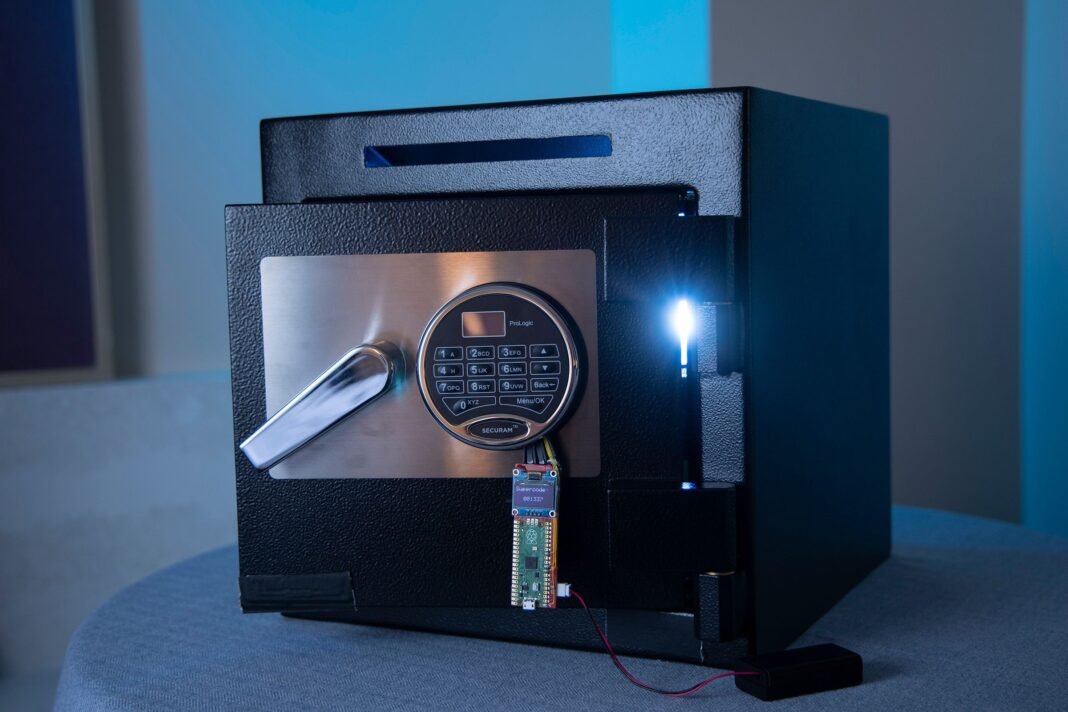
Moreover, newer iterations of Securam locks contain exposed debug ports that allow attackers armed with simple tools like Raspberry Pi devices to extract unlock codes instantly-bypassing traditional security measures entirely.
Public Demonstration of Exploits at Defcon Conference
The vulnerabilities were publicly demonstrated at a recent Defcon event in Las Vegas where researchers showcased two distinct attack methods targeting electronic safes secured with Securam ProLogic technology. These locks are widely used across industries for securing firearms, cash reserves in retail environments, and controlled pharmaceuticals.
The most concerning exploit leverages an intended locksmith feature but requires neither specialized hardware nor advanced skills-making nearly every device using this lock susceptible worldwide according to expert assessments.
Diving Into the Attack Methods
- ResetHeist: By analyzing firmware stored on unprotected chips inside the lock mechanism-which lack strong hardware safeguards-the researchers created software capable of generating reset codes based on default recovery values often left unchanged by users or locksmiths alike.
- CodeSnatch: This approach involves connecting a custom-built Raspberry Pi module directly into an internal debug port after removing batteries from the lock.Using techniques inspired by previous gaming console hacks, it extracts encrypted master codes straight from processor memory without triggering alarms or requiring complex tools.
The Industry’s Reaction: Legal Pushback and Limited Solutions
Securam was informed about these flaws well before public disclosure but initially responded with threats of legal action aimed at suppressing facts dissemination. Only after legal counsel intervened did researchers proceed with their presentation while withholding some sensitive technical details out of caution.
The company’s leadership acknowledged similar weaknesses exist across many products utilizing comparable microchips but minimized practical risk citing required expertise and equipment for exploitation.they emphasized traditional forced-entry methods like drilling remain more common than digital attacks exploiting backdoors embedded within their systems.
No Firmware Updates planned for Current Devices
Securam confirmed plans only exist for patching future models; existing customers must replace entire locks if concerned about security since no over-the-air firmware updates will be provided-a costly challenge given millions already deployed globally across various sectors including healthcare and retail chains such as CVS pharmacies and restaurant franchises storing cash onsite.
Diverse Manufacturers Impacted & Regulatory Implications
Securam ProLogic technology is integrated into products from numerous companies including Fort Knox Safes, FireKing Vaults, Rhino Metals Security Solutions, Sun Welding Technologies, Cennox pharmacy safes, NarcSafe narcotics storage units among others-highlighting widespread exposure beyond any single brand or industry segment.
“Embedded backdoor functionalities within commercial safe locking mechanisms represent notable national security risks,” cautioned government officials urging federal agencies not only to alert affected businesses but also reject encryption backdoors proposed internationally.”
A Broader Outlook on Backdoor risks Across Industries
this research reinforces long-standing cybersecurity warnings: manufacturer-implemented reset functions designed for convenience can become hazardous attack vectors if compromised-whether affecting physical devices like safes or digital encryption systems safeguarding sensitive data worldwide. The balance between usability and robust protection remains precarious when hidden access points exist beneath trusted surfaces.
An In-Depth Look at ResetHeist: Exploiting Default Recovery Codes Embedded in Firmware
The ResetHeist technique exploits hardcoded default recovery settings found inside many Securam ProLogic locks-specifically a six-digit code preset commonly set as “999999” combined with static encryption parameters rarely altered post-manufacture. Anyone able to dump firmware memory chips can use straightforward scripts written in languages such as Python to compute valid reset sequences effortlessly without needing specialized hardware or deep cryptographic knowledge.
- User manuals seldom instruct owners or locksmiths on changing factory defaults; even secondhand units purchased through online marketplaces frequently retain original settings untouched-making them prime targets today amid growing resale markets fueled by increased firearm ownership nationwide (estimated 120 million gun owners as per recent surveys).
Simplicity Behind CodeSnatch Attacks Leveraging Debug Ports Exposed Internally
The CodeSnatch method takes advantage of exposed debugging interfaces embedded inside newer model processors based on Renesas microcontrollers-the same chip family famously targeted during playstation 4 hacking efforts years ago.
This interface permits direct reading of encrypted supercodes stored internally along with decryption keys once weak password protections guarding access are bypassed.
If passwords fail due to recent changes implemented early this year (2024), attackers employ voltage glitching techniques disrupting power supply timing during authentication checks enabling circumvention without triggering alarms.
This low-cost hardware hack involves soldering minor components onto circuit boards paired with off-the-shelf computing modules such as Raspberry Pi Zero devices programmed specifically for this task.
“It really isn’t rocket science,” explained one researcher; “our tool simply reads everything needed then displays usable unlock combinations instantly.”
User Implications & Practical Recommendations Moving Forward
< p >While technically feasible fixes via manual firmware upgrades per unit exist , large-scale implementation remains impractical given millions deployed globally . Until manufacturers develop inherently secure replacement models , consumers should exercise caution . Changing default recovery codes where possible offers partial mitigation though official guidance remains limited . Regular audits combined with physical safeguards provide additional layers against unauthorized entry attempts .< / p > < h3 >Industry Responses Following Disclosure < / h3 >
< p >Several affected manufacturers expressed surprise upon learning about vulnerabilities impacting product lines incorporating Securam technology . As an example , High Noble Safes announced ongoing reviews focused on enhancing customer safety including exploring supplementary physical barriers alongside potential future replacements . Meanwhile , Liberty Safe committed internally toward evaluating alternative locking mechanisms beyond current proprietary designs . Retail giant CVS declined detailed commentary citing confidentiality around specific protocols yet reaffirmed commitment toward employee/patient protection standards consistent nationwide .< / p >
< h1 >final Thoughts: Reassessing Confidence In Electronic Lock Security
< p >The findings reveal critical weaknesses concealed beneath trusted layers protecting valuables ranging from firearms inventories through pharmaceutical caches nationwide – flaws invisible until now yet potentially catastrophic if exploited maliciously . As electronics increasingly govern access control systems once deemed impervious , stakeholders must prioritize transparency alongside rigorous testing before certifying consumer-grade cybersecurity claims backed solely by legacy certifications which failed here despite decades-long reputations.< / p >
< p >< strong >Awareness is paramount : owners should recognize inherent limitations even within premium electronic safe solutions rather than assuming absolute protection merely because steel walls enclose contents physically – integrated electronics introduce new attack surfaces demanding continuous vigilance going forward.< / strong >< / p >
“Electronic components complicate traditional notions of ‘safe.’ True security demands evolving defenses matching advancing threats.” – Security Research Insight Summary