Escalating Violence in Haiti’s Artibonite Region: Rising Deaths and Mass Displacement
Human Rights Organizations Reveal Death Toll Far Exceeds Official Counts
A violent assault near Petite-Rivière in Haiti’s Artibonite region has reportedly caused at least 70 deaths and left 30 injured, according to a prominent human rights organization. This figure sharply contrasts with government statements that cite only around 16 fatalities.
The attack unfolded during the early hours of sunday, targeting rural communities surrounding Jean-Denis. Armed gangs coordinated multiple raids,setting numerous homes on fire and forcing residents to flee for safety.
Widespread Displacement Amid Intensifying Gang Conflicts
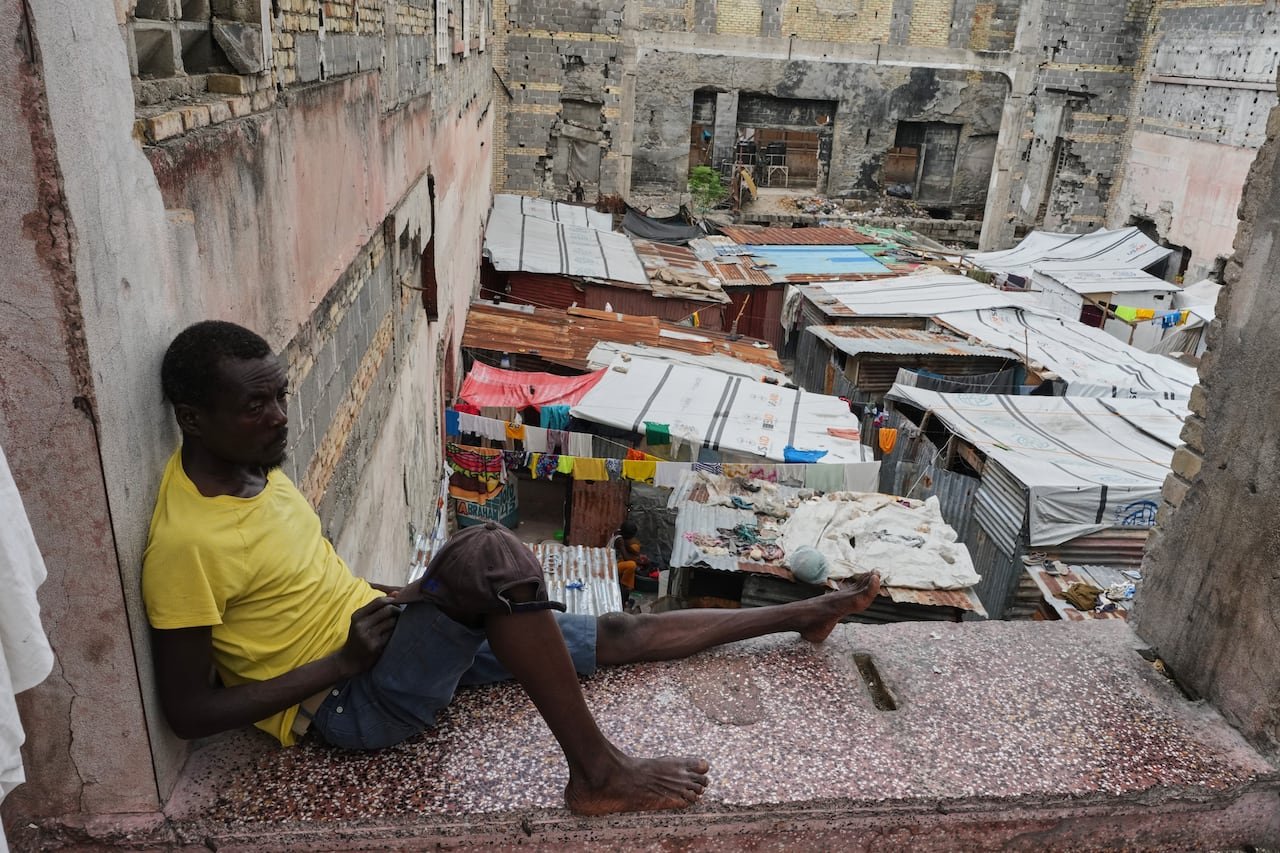
The Défenseurs Plus group estimates that nearly 6,000 people have been displaced due to the recent violence. Meanwhile, United Nations agencies report over 2,000 individuals forced from their homes within just a few days as armed groups continue their incursions.
This displacement crisis adds to an already dire humanitarian situation: more than 1.5 million Haitians-approximately 13% of the population-have been uprooted since gang-related violence escalated nationwide over the past two years.
Security Forces Struggle Amidst Growing Instability
Official police reports confirm at least sixteen deaths and ten wounded victims initially; however, civil protection authorities suggest slightly higher numbers with seventeen fatalities and nineteen injuries predominantly affecting men. The UN mission in Haiti (BINUH) is closely monitoring developments with death toll estimates ranging between ten and eighty casualties.
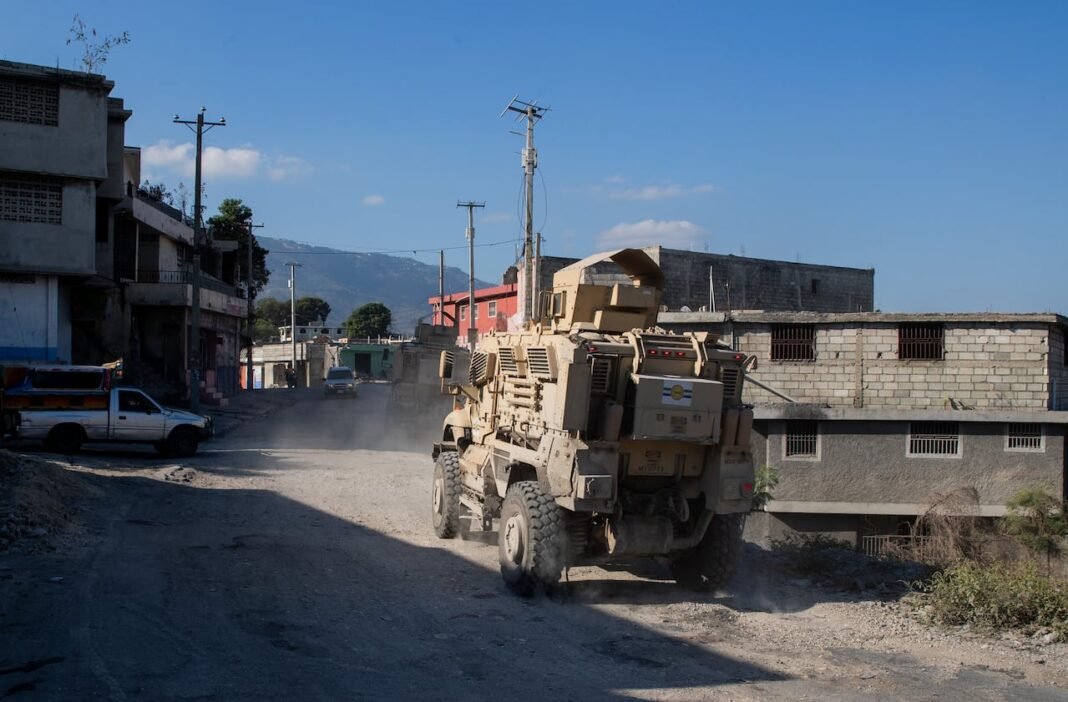
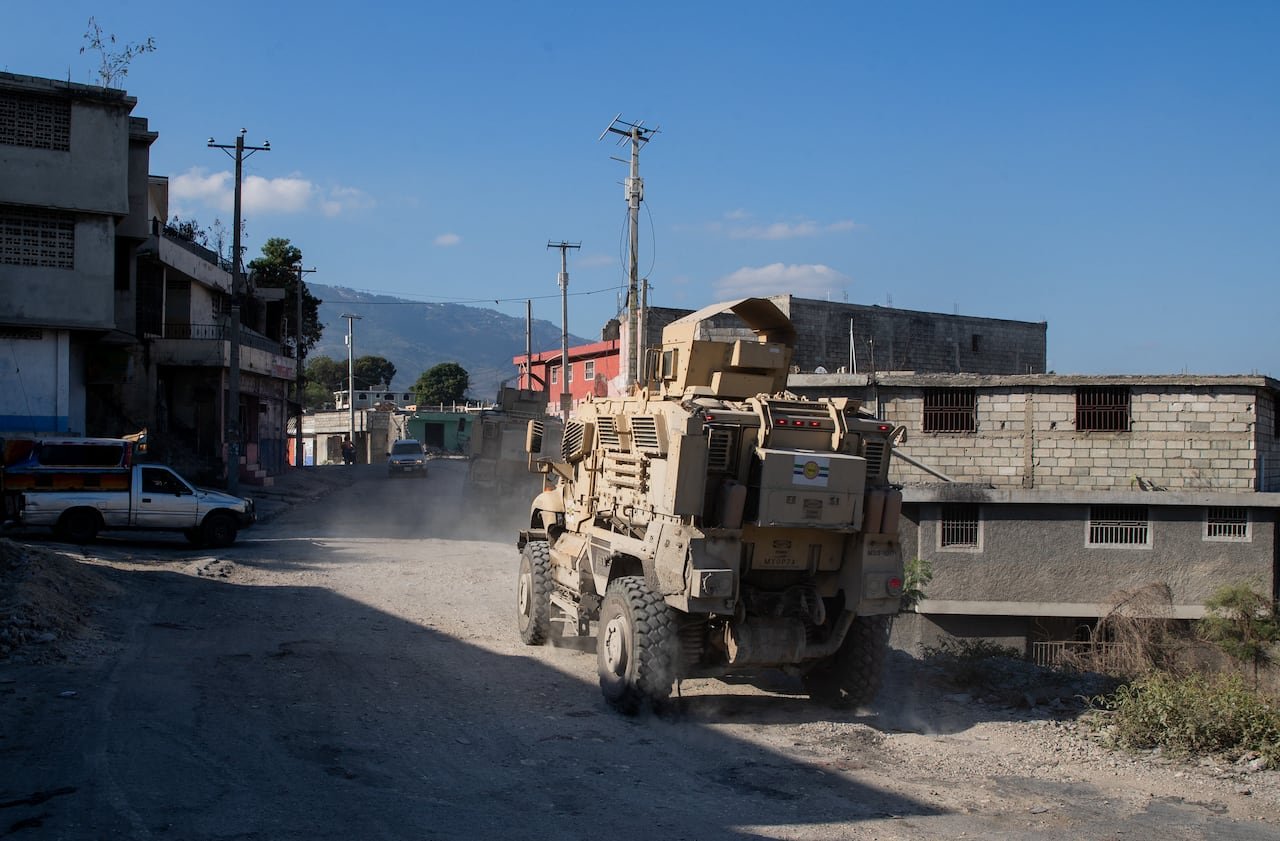
Despite deployment of three armored vehicles by Haitian National police during response efforts, progress was hampered when assailants dug trenches across key roads as defensive measures delaying law enforcement arrival while fires consumed several residences before intervention could occur.
Lackluster Security Response Draws Sharp Criticism
Défenseurs Plus condemned what it described as “a complete abdication of responsibility” by Haitian authorities due to inadequate security measures that allowed armed factions free rein over territories within Artibonite. The organization emphasized how local populations remain exposed amid persistent lawlessness and insecurity.
Cyclical Gang Retaliation Drives Ongoing Violence
An audio message circulating on social media platforms was attributed to Luckson Elan, leader of the Gran Grif faction. In this recording, elan claimed their recent attack was retaliation against rival gangs who had assaulted their base in Savien earlier this month-a recurring pattern reflecting tit-for-tat violence among competing groups vying for control over lucrative areas.
)
Gang Influence Spreads Beyond Capital into Vital Agricultural Zones
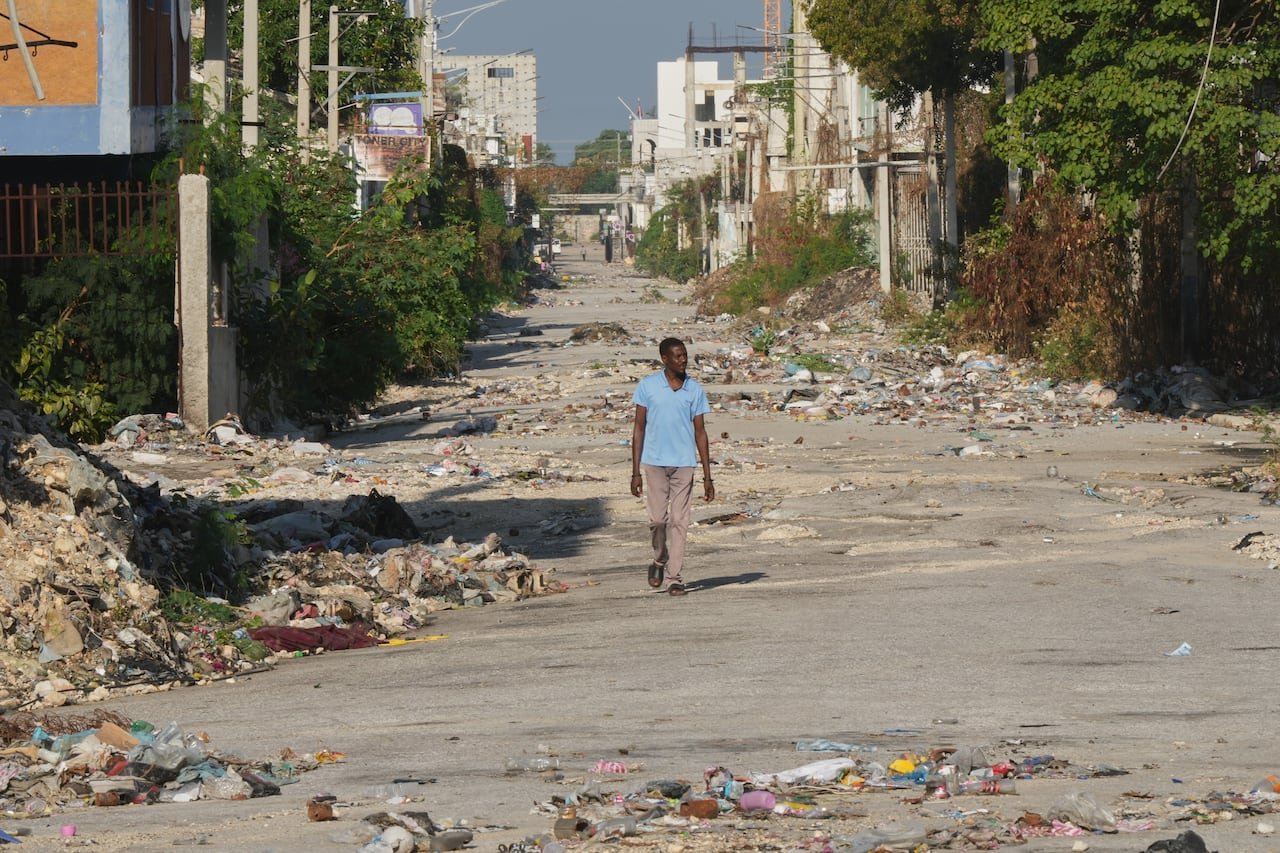
The Artibonite department remains one of Haiti’s most fertile agricultural regions but has increasingly become engulfed by violent clashes involving powerful criminal networks extending beyond Port-au-Prince despite intensified policing efforts supported by international partners aiming to stabilize national security conditions.
- Treatment: Injured victims were swiftly transported to nearby medical facilities;
- Morgue: Deceased individuals were taken into custody at two local morgues;
- Pursuit: Authorities launched search operations targeting perpetrators who fled after attacks;
An estimated fifty homes were destroyed through arson during these violent episodes according to Défenseurs Plus assessments conducted onsite following the incident’s aftermath.
)
Terrorist Classifications & U.S.-Led Initiatives Targeting Gang Networks
A United Nations report highlights nearly 20,000 homicides linked directly or indirectly with organized crime since early 2021-signaling an alarming upward trend driven largely by heavily armed autonomous gangs clashing violently against state forces alongside vigilante militias attempting localized resistance efforts.
- The Gran Grif coalition along with Viv Ansanm represent umbrella organizations encompassing hundreds of smaller factions operating primarily within metropolitan areas including port-au-Prince;
- Banned under U.S. terrorism statutes due to involvement spanning mass executions; sexual violence campaigns; widespread arson attacks; illicit trafficking involving firearms; narcotics distribution chains; even organ smuggling rings documented through investigative findings;
- This month Washington announced rewards up to $3 million USD aimed specifically at disrupting financial flows sustaining these criminal enterprises via intelligence-sharing incentives encouraging whistleblowers or informants providing actionable leads related directly or indirectly toward dismantling such networks;
A Legacy Marked By Brutality And Massacres In The Region
This latest massacre continues a grim pattern exemplified previously when Gran Grif militants stormed Pont-Sonde town resulting tragically in over one hundred fifteen civilian deaths caused through systematic door-to-door shootings targeting innocent inhabitants caught amidst territorial disputes between rival factions seeking dominance over strategic locations critical for controlling supply routes essential both economically and militarily within southern parts surrounding central provinces alike.
The cumulative effect worsens existing economic hardships compounded further now given food shortages have dramatically increased alongside infrastructure degradation triggered repeatedly throughout cycles marked increasingly frequent outbreaks involving similar atrocities perpetrated regularly without effective deterrence mechanisms currently operational on ground level preventing recurrence effectively thus far.