Deadly Boat Accidents in DRC’s Equateur Province Result in Nearly 200 Fatalities
Two catastrophic boat mishaps have recently struck the northwestern Democratic Republic of the Congo (DRC), claiming at least 193 lives with many others still unaccounted for, according to official reports and local news outlets.
These tragedies unfolded on back-to-back days-Wednesday and Thursday-in locations roughly 150 kilometers apart within equateur province, underscoring persistent safety issues plaguing river transport across this expansive region.
Chronology and Circumstances of the Disasters
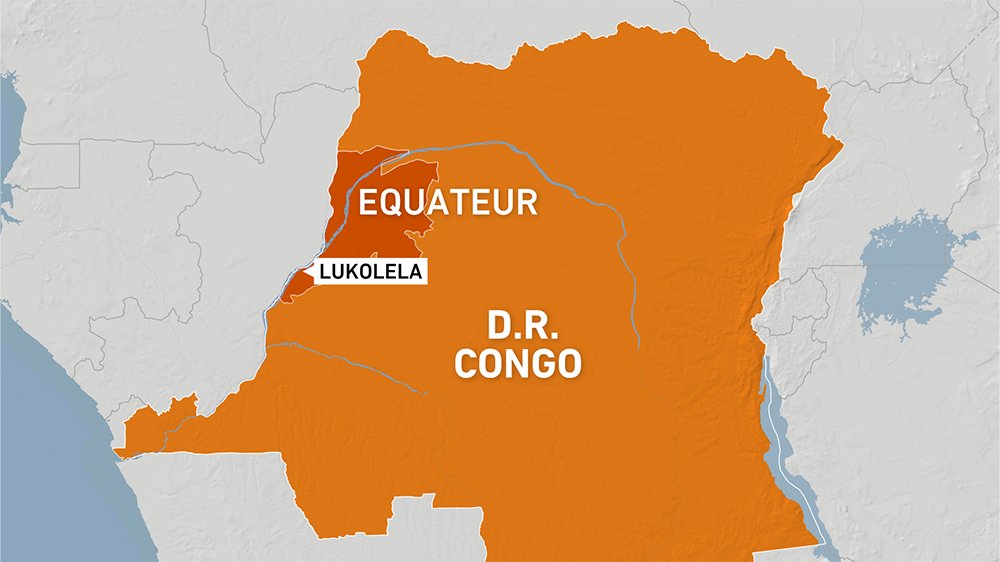
The deadliest event occurred Thursday evening near Malange village in Lukolela territory along the Congo River. A whaleboat overloaded with nearly 500 passengers caught fire before capsizing, resulting in 107 confirmed deaths.Rescue operations saved approximately 209 survivors, while around 146 individuals remain missing following this disaster.
The previous day, a motorized boat overturned under unclear conditions in basankusu territory. This accident claimed at least 86 lives-most of whom where students traveling together-and left several others missing without an exact tally from authorities.
Underlying Causes Behind These river Tragedies
State media attributed Wednesday’s capsizing primarily to severe overcrowding combined with nighttime navigation-a hazardous practice frequently observed among local boat operators. Images shared by affected communities depict grieving families gathered beside recovered bodies along riverbanks.
A community watchdog group criticized government lapses regarding waterway safety enforcement and suggested that actual casualty numbers might exceed official figures due to underreporting or delayed recovery efforts.
The Critical Role of River Transport Amid Infrastructure Deficits
In DRC’s vast rainforest regions where road infrastructure is minimal or frequently enough impassable during rainy seasons, rivers serve as vital arteries connecting isolated villages. Wooden boats are commonly used because they are more affordable than land transport options; however, these vessels frequently suffer from inadequate upkeep and structural vulnerabilities worsened by excessive passenger loads and heavy cargo.
- Lack of Safety Gear: Life jackets are seldom available despite chronic overcrowding aboard these boats being routine practice.
- Dangers of Nighttime Travel: Many vessels operate after dark when visibility is poor; this complicates rescue efforts during emergencies and contributes significantly to fatalities as victims often remain unrecovered beneath murky waters.
- Challenging Rescue Conditions: Remote accident sites delay search-and-rescue missions due to limited resources such as specialized recovery boats or trained personnel nearby capable of rapid response.
A Global Viewpoint: Similar Waterway Risks Worldwide
This pattern mirrors challenges seen globally where economic necessity forces vulnerable populations onto unsafe watercraft amid weak regulatory oversight. As an example, recent ferry disasters across Southeast Asia during monsoon seasons reveal how overcapacity combined with strained rescue capabilities leads to high death tolls on inland waterways or coastal routes alike-highlighting a global struggle for safer maritime travel among developing regions reliant on waterborne transit systems.
Community Mobilization and Ongoing Search Operations
Navigational authorities working alongside local volunteers have been conducting extensive shoreline searches as both incidents occurred.They continue providing medical care for survivors while offering psychological support services for families mourning lost relatives.Plans include safely repatriating rescued passengers once travel conditions improve amid ongoing investigations into these fatal events’ root causes.
“River transportation remains indispensable but inherently risky given current infrastructure shortcomings,” stated a regional official coordinating relief efforts following these calamities.”
The Imperative for Strengthened Waterway Safety Protocols Across the DRC
This series of deadly accidents highlights urgent gaps demanding swift action-from enforcing strict passenger limits aboard vessels to enhancing maintenance standards-to distributing essential life-saving equipment like life jackets throughout all riverine transport modes within Equateur province and beyond.
Mitigating night navigation hazards through improved lighting systems or restricting travel hours could also substantially reduce risks.
ultimately, bolstering emergency response capabilities will be crucial for saving lives when unforeseen disasters strike again along critical waterways that serve millions daily within one of africa’s most challenging environments for safe mobility today.