Escalating Humanitarian Crisis in Gaza Amid Persistent Conflict
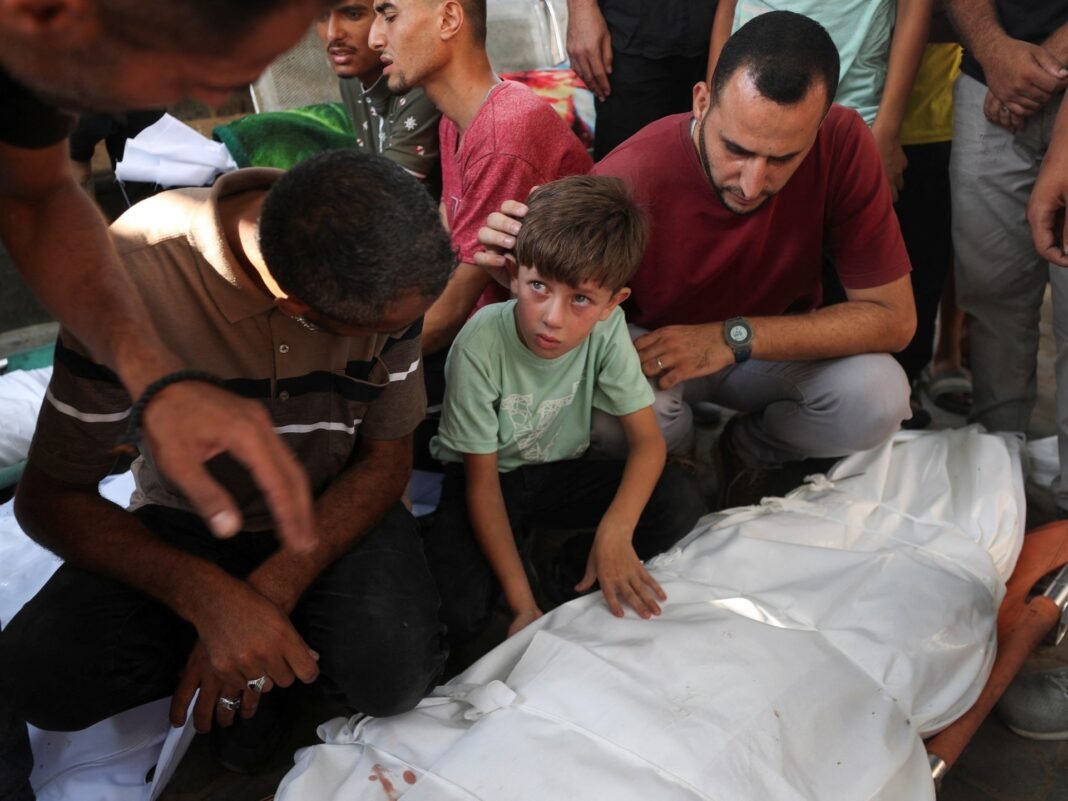
Teh Palestinian death toll has now tragically exceeded 60,000 since the outbreak of violence in Gaza in October 2023,according to local health authorities. This overwhelming loss highlights the severe human toll inflicted by ongoing hostilities.
Despite sporadic ceasefires aimed at enabling humanitarian aid access, recent incidents report that over 60 Palestinians-including 19 individuals actively seeking medical help-were killed within a single day. Witnesses recount one of the deadliest nights in recent weeks, marked by Israel’s use of refined military assets such as booby-trapped robotic devices alongside tanks and unmanned aerial vehicles.
Experts interpret these intensified operations as potential groundwork for a major ground offensive, although Israeli officials have not publicly detailed their strategic intentions.
Worsening Food Insecurity and Malnutrition Crisis
The humanitarian emergency is rapidly deteriorating. Current evaluations from international hunger monitoring bodies classify Gaza’s situation as approaching famine-like conditions. The Integrated Food Security phase Classification (IPC) reports that food consumption levels have dropped below critical thresholds throughout most parts of the Gaza Strip, with acute malnutrition rates surging especially in urban hubs like Gaza City.
The combination of relentless conflict, mass displacement, and severely restricted access for aid agencies has led to a near-collapse of vital services including healthcare systems. These factors collectively create an unprecedented crisis where nearly one-third of residents endure extended periods without sufficient nutrition.
- From April through mid-July alone, more than 20,000 children were admitted for treatment related to severe malnutrition; over 3,000 cases are considered life-threatening emergencies.
- If current conditions persist through September without easing blockades or halting military actions, projections estimate that upwards of half a million people could face extreme starvation and destitution across Gaza.
Heightened Vulnerability Among Women and Children
The ongoing blockade imposed by Israel-only briefly relaxed earlier this year-continues to worsen food scarcity while deepening malnutrition crises across all population groups. since hostilities began, health officials have documented at least 147 deaths directly attributable to starvation; nearly two-thirds involve children under eighteen years old.
A UN Women representative emphasizes the especially precarious situation faced by women and girls: approximately one million females confront unachievable choices between risking personal safety searching for scarce food or succumbing to hunger within their homes amid escalating insecurity.
“This nightmare must end,” she insists urgently while advocating for unrestricted humanitarian corridors alongside immediate ceasefire agreements and release of detainees caught up in conflict tensions.
Nutritional Deficiencies Threaten Infant Development
Pediatric specialists working inside hospitals report alarming cases where infants exhibit extreme wasting syndromes characterized by dramatic muscle loss beneath taut skin-a clear indicator of severe nutritional deprivation during critical growth phases. A physician from Nasser Hospital explains how shortages in essential nutrients such as folic acid, vitamin B1 complex compounds, and vital fatty acids can cause irreversible damage to brain development necessary for central nervous system formation during early childhood stages.
This lack not only endangers physical well-being but also jeopardizes cognitive function later on-potentially leading to learning disabilities along with heightened risks for mental health disorders including anxiety and depression among children growing up under these harsh circumstances.
Dangers Persist even After Nutritional Support Begins
A medical expert from Doctors Without Borders highlights that recovery following prolonged starvation remains perilous even once food supplies resume:
- Nutritional rehabilitation does not instantly repair cellular damage; organ functions remain impaired due to intestinal cell death affecting digestion;
- Diminished fat absorption challenges pancreatic efficiency;
- Weakness in cardiac muscles places many recovering children at risk for fatal heart failure despite treatment;
- Lethal electrolyte imbalances may trigger dangerous arrhythmias;
- An increased vulnerability exists toward infections such as sepsis along with complications like hypothermia or fluid overload;
- Nutrient deficiencies can cause long-term issues including vision impairment or fragile bones well after initial therapy starts.
An Urgent appeal for Coordinated Global Intervention
This unfolding catastrophe requires immediate worldwide focus on halting violence while guaranteeing unhindered delivery of lifesaving assistance into densely populated areas within Gaza. Without swift coordinated efforts addressing both security imperatives and urgent humanitarian needs concurrently-the likelihood remains high that millions will continue enduring devastating consequences far beyond current media coverage.