



Honoring Hiroshima: A Global Appeal for Nuclear Disarmament and Peace
The Historic Impact of the First Atomic Attack
On August 6, 1945, Hiroshima became the first city in history to endure a nuclear assault during armed conflict.The United States deployed a uranium-based bomb named Little Boy, instantly causing approximately 78,000 fatalities. By year’s end, countless others had died from severe burns and radiation-related illnesses.
This devastating event was soon followed by a second atomic strike on Nagasaki three days later using a plutonium device. These bombings compelled Japan to surrender on August 15, bringing World War II to an end. Hiroshima’s location was deliberately chosen due to its geography, which was believed to amplify the bomb’s destructive force.
Remembering Eight Decades: Unity at Peace Memorial Park
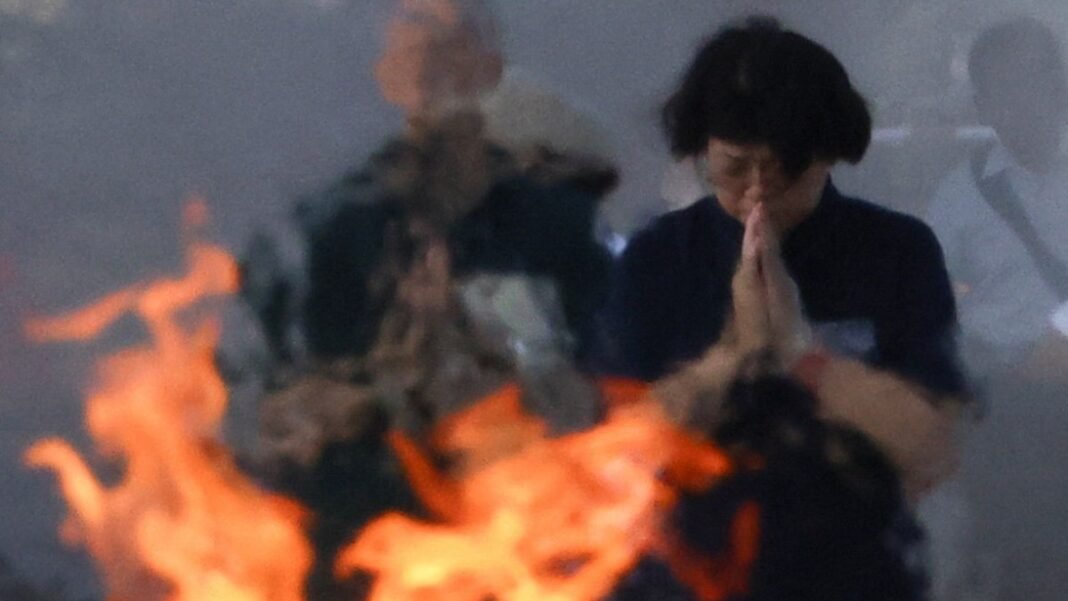
The 80th anniversary of this tragic day saw thousands convene at Hiroshima’s Peace Memorial Park-the exact ground beneath where the bomb detonated above. Delegates from over 120 nations joined survivors and officials in solemn tribute and renewed calls for nuclear disarmament worldwide.
The commemorative ceremony began promptly at eight o’clock with participants offering flowers and water as tokens of respect for those who suffered unimaginable loss. At exactly 8:15 AM-the moment when history irrevocably changed-a minute of silence was observed globally.
Youth Voices and Global Leadership Unite
Japanese students took part through their “Promise of Peace,” delivering sincere pledges envisioning a future free from nuclear threats. This year also featured remarks relaying an urgent message from international leaders emphasizing sustained global cooperation toward peace.
Rising Militarism Amidst Expanding nuclear Arsenals
Kazumi Matsui, mayor of Hiroshima, issued a stark warning about growing militaristic tendencies worldwide. He condemned political figures who defend maintaining or increasing nuclear stockpiles under national security claims-pointing out that Russia and the United States still possess nearly 90 percent of all active warheads globally.
“Such attitudes ignore painful lessons etched into our collective memory,” Mayor Matsui stated.”They risk undoing decades devoted to building peace.”
Matsui urged world leaders to visit hiroshima personally in order to witness firsthand the catastrophic human toll inflicted by atomic weapons-a plea echoed passionately amid current geopolitical tensions reminiscent of past crises.
A Generation Haunted by History’s Repetition
“It feels increasingly like we are trapped in history repeating itself,” reflected Yoshikazu Horie, aged 71. “With conflicts escalating across europe and instability rising throughout Asia-it is deeply unsettling.” As a grandfather himself, he stressed his hope for enduring peace so future generations can live without fear or suffering caused by warfare.
The Hibakusha Legacy: Survivors’ Ongoing Challenges
The hibakusha-atomic bombing survivors-continue facing not only physical injuries but also social discrimination fueled by myths about radiation-related health effects impacting them or their descendants genetically. This year marks an unfortunate milestone as their population falls below 100,000, highlighting both aging demographics and fading living testimony directly linked to these historic events.
Japan’s Current Stance on Nuclear Weapons Policy
Although Japan remains publicly committed to advocating nuclear disarmament consistent with its pacifist postwar constitution, it has yet to ratify international treaties explicitly banning nuclear arms under UN frameworks-reflecting complex security concerns amid shifting regional dynamics in East Asia.
- Nuclear disarmament: Continues as an essential objective emphasized during annual memorials worldwide including this landmark anniversary;
- Civil society engagement: Youth involvement symbolizes hope while survivor stories underscore why peace efforts must persist;
- An ongoing dilemma: Balancing national defense priorities against humanitarian imperatives remains critical amid evolving geopolitical uncertainties;
- A plea for empathy: Visiting places like Hiroshima fosters understanding beyond politics toward shared human values that prevent future catastrophes;
Pursuing enduring Global Peace Beyond Nuclear Threats
Eighty years after one city endured unparalleled devastation caused by atomic warfare-the world is reminded anew how fragile peace remains when overshadowed by weapons capable of erasing millions within moments.
Voices raised collectively during this anniversary urge governments everywhere not only to remember but take decisive action against proliferation trends threatening humanity itself.
only through mutual dedication can we guarantee such horrors never recur-and secure safer futures where children grow up hearing stories-not living realities-of tragedies once inflicted upon cities like Hiroshima.


