Holiday Retail Spending in the U.S. Shows Remarkable Strength amid Economic Headwinds
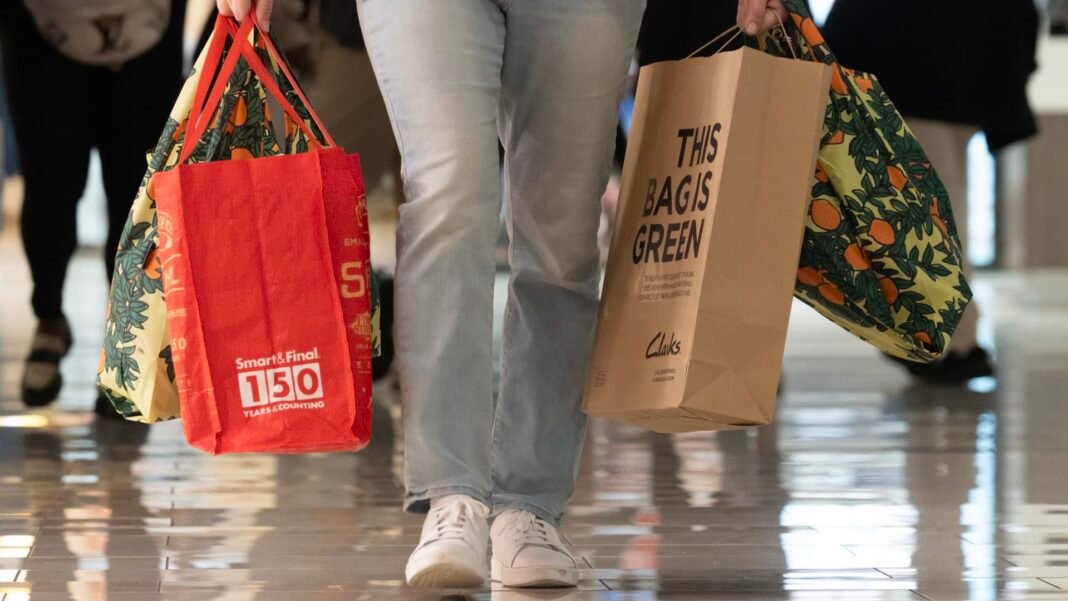
American shoppers exhibited impressive spending endurance during the recent holiday season, wiht retail sales climbing by 4.2% compared to last year despite ongoing economic uncertainties. This surge highlights a strong consumer demand for technology products and personal items even as financial conditions remain complex.
Physical stores Retain Dominance While Online Shopping Accelerates
Approximately 73% of holiday purchases were made in traditional brick-and-mortar stores, confirming that in-person shopping continues to lead during peak buying periods. Nevertheless, e-commerce saw a significant boost of 7.8%, driven by early discount events and consumers’ growing preference for convenience and contactless transactions.
The Growing Influence of Artificial Intelligence on Consumer Choices
This season marked a notable shift as artificial intelligence (AI) tools became integral to how shoppers make decisions. Nearly half of all buyers utilized AI-powered platforms to compare options or find ideal gifts, demonstrating how technology is increasingly shaping purchasing behavior across retail sectors.
Shifts in Spending Highlight Preference for Personal Electronics and Apparel
A closer examination reveals electronics as the leading category with sales rising 5.8%. This growth is largely fueled by consumers upgrading devices equipped with advanced AI features and enhanced capabilities tailored for modern lifestyles.
Apparel and accessories also experienced solid growth at 5.3%, while general merchandise stores offering broad product assortments enjoyed a moderate increase of 3.7%. In contrast, expenditures related to home enhancement declined slightly; spending on building materials and garden supplies fell about 1%, indicating reduced focus on renovation projects during this period.
The furniture and home décor segment remained mostly steady with marginal growth near 0.8%, reflecting cautious but consistent investment in household goods amid economic uncertainty.
Adjusting for Inflation: Real Growth Paints a More Nuanced Picture
the headline rise in retail sales does not fully capture inflation’s impact on consumer purchasing power throughout the year. When factoring in current Consumer Price Index figures, real spending growth is estimated at roughly 2.2%, signaling measured yet positive momentum despite widespread price increases across many categories.
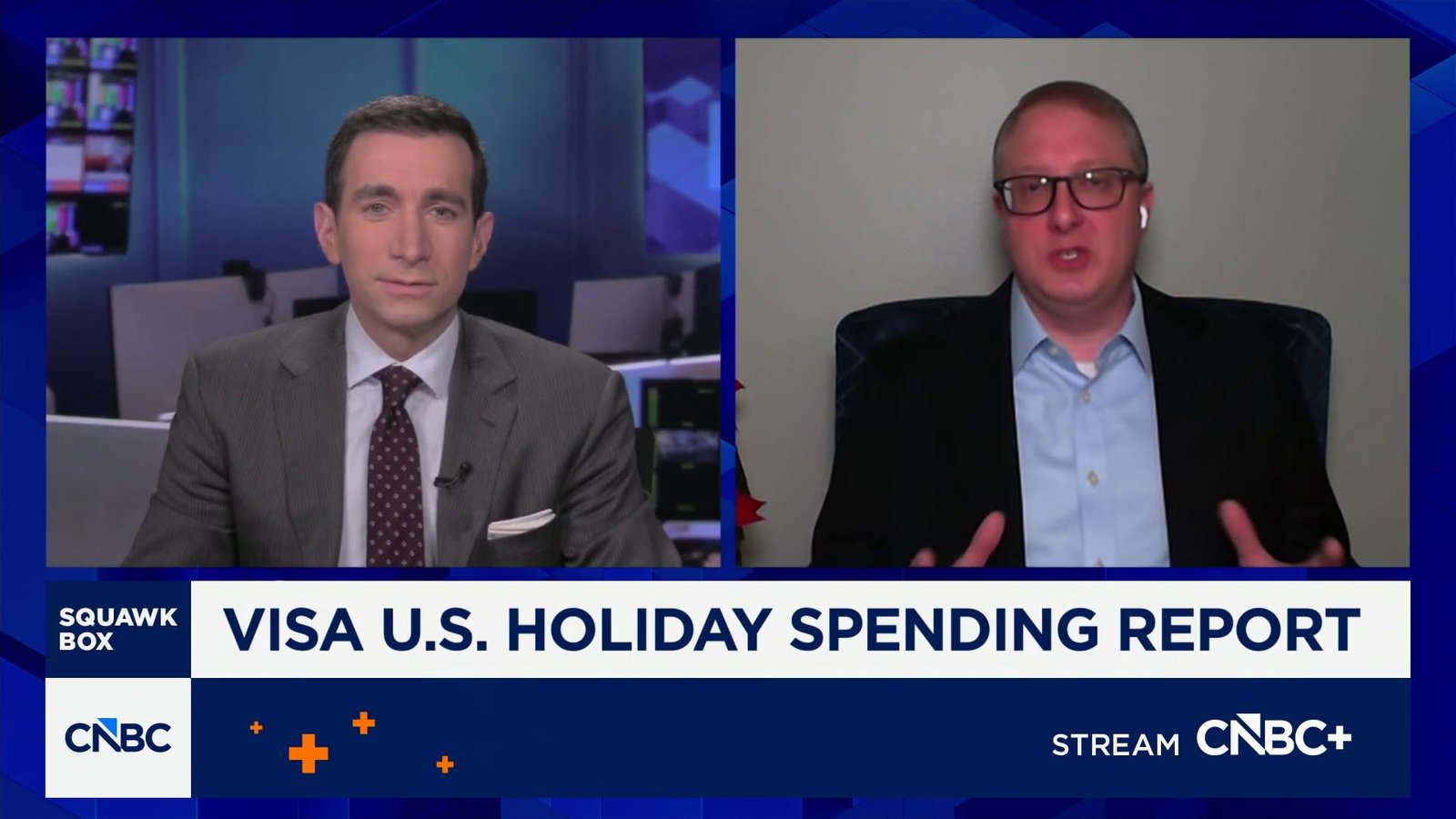
“Consumers are carefully navigating uncertain times but continue making strategic purchases,” observed an economist specializing in U.S market trends.
The Gap Between Consumer Sentiment and Actual Expenditure Patterns
A national survey found that over forty percent of Americans planned to cut back their holiday spending compared to last year-a sentiment largely influenced by persistent inflationary pressures and tariffs affecting import costs.
This divergence between cautious expectations and actual buying behavior suggests that while shoppers remain mindful of economic challenges, thay prioritize meaningful acquisitions such as gifts or tech upgrades over discretionary expenses like home renovations or maintenance projects.
The Road Ahead: How Technology Is Shaping retail’s Future Landscape
The integration of AI into everyday shopping habits signals an evolving marketplace where digital tools empower consumers more than ever before to make swift, informed decisions. Analysis indicates these innovations not only enhance convenience but also drive demand within key sectors like electronics-a trend poised to intensify moving forward.
- E-commerce expansion: online holiday sales surged nearly 8% year-over-year
- Mainstream AI adoption: Half of surveyed shoppers used AI assistance when searching for gifts or comparing prices
- Sectors experiencing robust gains: Electronics (+5.8%), apparel (+5.3%),general merchandise (+3.7%) outperform others
- Sectors showing slower movement: Home improvement down slightly (-1%), furniture stable (+0.8%)
- Cautious optimism prevails: Real consumer spending up approximately 2% after adjusting for inflation despite mixed confidence levels