Hong Kong Activists’ Trial Raises Global Alarm Over justice and Freedom
The legal proceedings against three well-known Hong Kong activists, accused of “inciting subversion of state power,” have sparked international outcry from human rights defenders. These individuals were instrumental in organizing annual memorials for the Tiananmen Square massacre, a subject heavily censored within mainland China.
Remembering Tiananmen: Hong Kong’s Unique Role in Commemoration
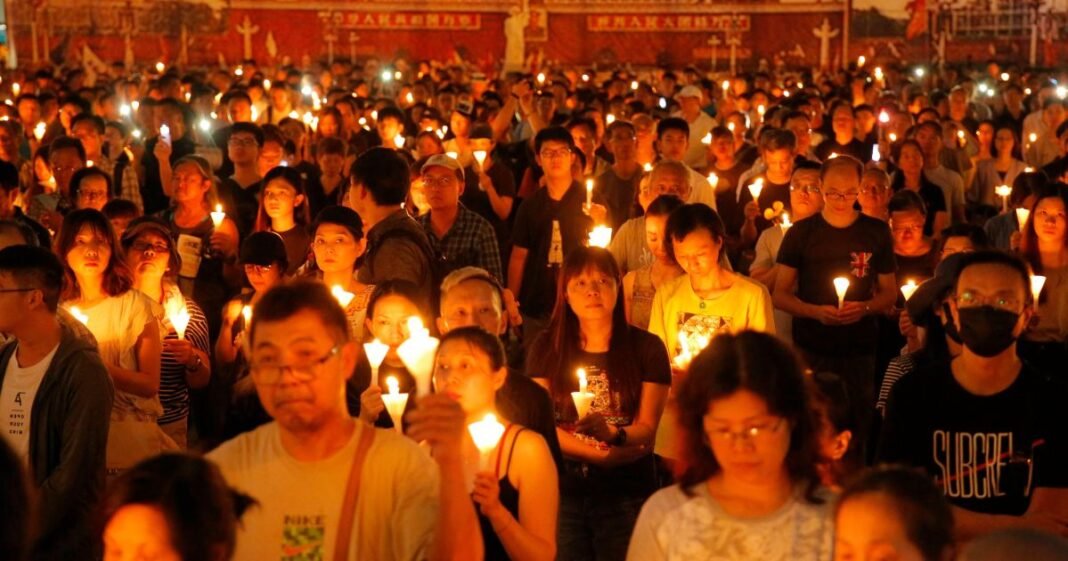
For over three decades, Hong Kong stood apart as the only Chinese territory where large-scale candlelight vigils took place every June 4th at Victoria Park too honor those who lost their lives during the 1989 Tiananmen crackdown. These events regularly drew tens of thousands, offering a rare public platform for remembrance amid widespread censorship on the mainland. However, after Beijing enacted a sweeping national security law in 2020 aimed at suppressing pro-democracy activism, such gatherings were prohibited.
The Hong kong Alliance in Support of Patriotic Democratic Movements of China, founded shortly after the massacre to push for democratic reforms and accountability from Beijing, was central to organizing these vigils until recent bans halted their activities.
The defendants and Courtroom Dynamics
The trial involves Chow Hang-tung, Albert Ho, and Lee Cheuk-yan-former leaders within this alliance. On trial day under heavy police surveillance and cold weather conditions with about 70 supporters waiting outside for limited courtroom access, Lee warmly acknowledged his supporters while Chow expressed thanks through respectful bows.
Despite an atmosphere charged with tension yet marked by composure among defendants and observers alike, Chow and Lee denied charges accusing them of inciting subversion; Ho pleaded guilty.
A Judicial Process under Intense Scrutiny
A panel composed entirely of government-appointed judges is presiding over what is anticipated to be a lengthy trial lasting around 75 days. Prosecutors intend to submit extensive video evidence documenting years-long activism by the alliance members. Earlier motions by Chow seeking dismissal were rejected as judges stressed their duty not to let political considerations influence judicial decisions.
Global Responses: condemnation Over Legal Proceedings
Human rights advocates view this case as more than just legal action-it represents an attempt by authorities to erase collective memory surrounding Tiananmen victims. Amnesty international described it as “a punitive measure targeting those who refuse enforced silence.” Similarly, representatives from international human rights networks condemned it as a “sham” trial demanding immediate dismissal based on essential legal principles.
The National Security Law’s Impact on Hong Kong’s Political habitat
This legislation was introduced following massive protests throughout 2019 that mobilized hundreds of thousands calling for democratic freedoms. While Beijing claims that enforcing this law restored stability after months marked by unrest,critics argue it has become an instrument systematically used against dissenters-including journalists like media tycoon Jimmy Lai-who recently faced convictions related to foreign collusion amid global concerns about judicial independence erosion.
Tiananmen Massacre: A Historical tragedy Reverberating Through Time
In June 1989, Chinese military forces violently crushed pro-democracy demonstrators occupying Tiananmen Square using tanks and live ammunition-a brutal suppression resulting in estimates ranging from several hundred up to several thousand deaths despite official denials or censorship efforts inside China today.
- This tragedy remains taboo within mainland discourse but continues fueling calls worldwide for clarity;
- The Alliance’s persistent advocacy underscores ongoing demands for justice decades later;
- Candlelight vigils once symbolized hope amidst repression until recent prohibitions silenced these expressions;
- Tensions between preserving historical memory versus governmental control persist across Greater China regions;
- This case exemplifies broader struggles involving freedom of expression under tightening authoritarian measures globally-and regionally within semi-autonomous zones like hong Kong.
A Wider Perspective: Democracy Movements Confront Rising Obstacles Globally
“The suppression witnessed here mirrors patterns seen elsewhere where governments strategically wield legal systems against opposition voices,” analysts observe when comparing similar cases across Asia-Pacific democracies facing increasing authoritarianism trends over recent years.”
Sustaining Justice Amid political Pressures Is Imperative
This ongoing trial stands as a critical test reflecting how resilient rule-of-law principles remain when confronted with political interference under new security frameworks imposed upon formerly autonomous jurisdictions such as Hong Kong. Rights organizations continue advocating transparent judicial processes free from intimidation or bias while emphasizing protection of fundamental freedoms-including remembrance activities intimately tied with truthful historical narratives about events like the Tiananmen Square massacre.”