Memory Chip Shortages to Influence Smartphone Pricing and Shipments in 2026
Component Cost Increases Threaten Smartphone Industry Expansion
The smartphone sector worldwide is preparing for critically important disruptions in 2026 as shortages of memory chips-largely fueled by soaring demand from artificial intelligence (AI) applications-are anticipated to drive prices higher while curbing shipment volumes. Updated forecasts from industry analysts now predict a 2.1% drop in smartphone shipments next year, revising earlier expectations that had projected steady or slight growth.
It’s essential to understand that shipment data represents the number of devices sent to retail outlets rather than actual consumer purchases, serving as a key indicator of supply chain health and market demand.
Projected Surge in Average Selling Prices for Smartphones
The average selling price (ASP) for smartphones is expected to rise sharply by nearly 7% year-over-year in 2026, almost doubling previous estimates of around 3.6%. This increase primarily results from intensified pressures within the semiconductor supply chain, where component costs have escalated due to ongoing bottlenecks.
How Semiconductor Supply Constraints Are Driving Costs Up
A major contributor behind these cost hikes is the rapid expansion of AI data centre infrastructure globally. Companies developing AI hardware have significantly increased their orders for advanced memory components manufactured by industry leaders such as SK Hynix and Samsung-the top suppliers of DRAM (dynamic random-access memory). DRAM remains critical not only for servers powering AI but also plays an indispensable role inside modern smartphones.
The Impact of Rising DRAM Prices on Smartphone Manufacturing Expenses
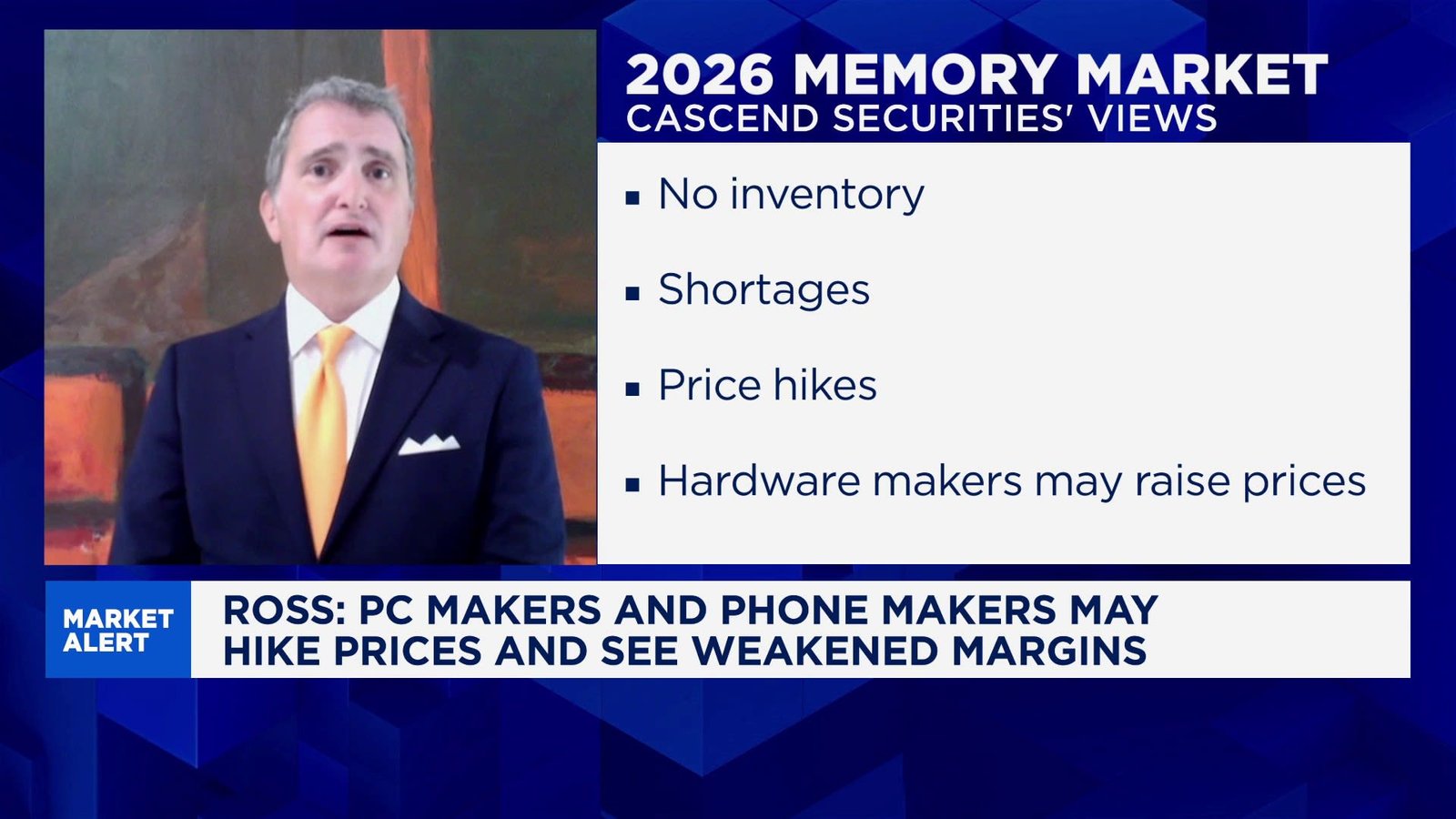
This year has witnessed a sharp spike in DRAM pricing due to demand outstripping supply-a trend directly inflating production costs across the smartphone industry.Entry-level devices priced below $200 have seen material-related expenses climb between 20% and 30%, while mid-range and flagship models experienced increases ranging from approximately 10% up to 15%, reflecting broader inflationary trends affecting electronic components.
Forecasts suggest that DRAM prices could surge another 40% by mid-2026, potentially pushing bill-of-materials (BoM) costs even higher-anywhere between an additional 8% and over 15%, compared with already elevated current levels.
Rising Component Costs set To Translate Into Higher Consumer Prices
The growing financial strain on manufacturers caused by escalating component expenses will likely be passed along through retail channels, resulting in increased prices for consumers worldwide. This explains why projections for average selling prices are being revised upward so dramatically ahead of next year’s product launches.
Larger Brands Better Positioned To Weather Market Volatility
Major players such as Apple and Samsung possess stronger financial resources and operational versatility enabling them to absorb these cost shocks more effectively without severely impacting profitability or market share during this challenging period. Conversely, smaller brands-particularly chinese manufacturers targeting budget-conscious segments-may face greater difficulties balancing competitive pricing with shrinking profit margins.
Expected Manufacturer strategies Amid Cost Pressures
- Selecting Lower-Cost Components: Some companies may choose more affordable camera sensors, display panels, or audio modules as part of efforts to manage overall device expenses amid rising chip costs.
- Reusing Previous Generation Parts: Employing older generation components could become increasingly common among brands seeking cost savings without significantly compromising user experience quality.
- Pushing Premium Models: Encouraging consumers toward higher-end smartphones might help offset margin compression caused by inflated material costs at lower price tiers.
An Emerging Paradigm: How AI Growth Is Reshaping Smartphone Economics
“The dynamic interaction between surging AI infrastructure demands and limited semiconductor availability is fundamentally altering how smartphone manufacturers approach design choices and pricing strategies,” industry experts observe.”
This shifting habitat highlights the deepening connection between cutting-edge technologies like artificial intelligence and customary consumer electronics markets-and signals potential challenges ahead as companies recalibrate their offerings amid evolving global economic conditions.