Electronic Arts Takeover: Implications for Gamers and Game Creators
In a monumental $55 billion deal, Electronic Arts (EA) has shifted from public to private ownership. This acquisition is led by Saudi arabia’s Public Investment Fund,alongside Jared kushner’s Affinity Partners and the private equity firm Silver Lake. The gaming world is now closely watching how this transition will shape EA’s future projects and strategic direction.
continuity in Leadership Amid Ownership Shift
Despite the change in ownership, EA’s CEO Andrew Wilson continues to lead the company, ensuring stability at the top. Wilson conveyed optimism about EA’s path forward, emphasizing a dedication to pushing boundaries across entertainment, sports gaming, and technology innovation.His vision centers on delivering immersive experiences that captivate players globally.
Jared Kushner expressed enthusiasm about collaborating with EA’s leadership team. As an avid gamer who now shares these experiences with his children, he acknowledged EA’s rich history of crafting unforgettable moments in gaming and voiced confidence in what lies ahead.
The Financial Structure Behind the Acquisition
This transaction stands out not only due to its scale but also because it includes $20 billion in debt financing. Such notable leverage often signals upcoming cost-cutting measures rather then immediate large-scale investments or expansions. Analysts warn this could lead to workforce downsizing or discontinuation of underperforming game titles as part of restructuring efforts.
Challenges Facing EA’s Current Game Lineup
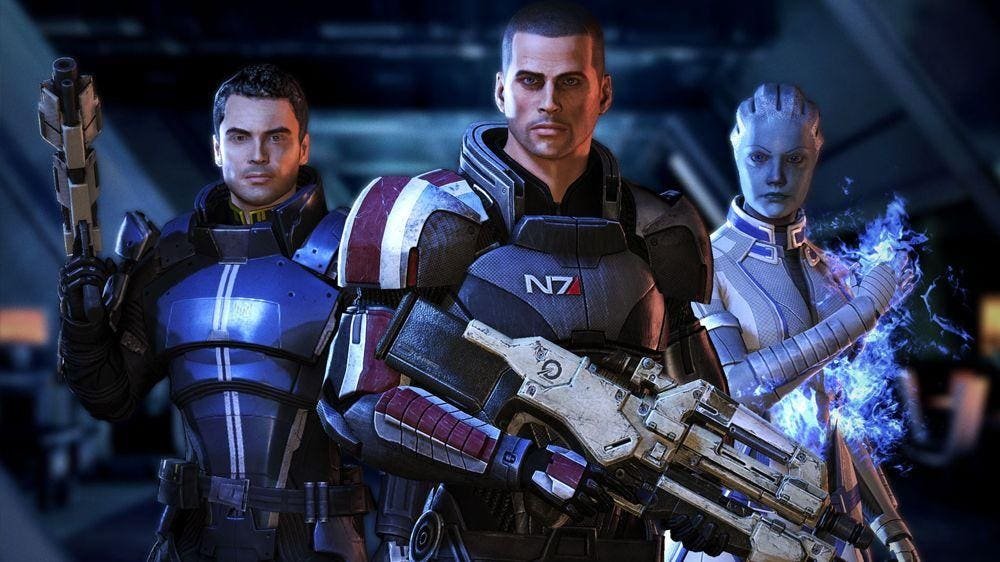
The company grapples with several difficulties within its portfolio.BioWare’s latest release Dragon Age: The Veilguard fell short of sales expectations-marking their third consecutive underperforming launch-and attention now turns toward an anticipated new Mass Effect, which carries ample weight for BioWare’s future viability.
Apex Legends, once attracting millions of concurrent players during its peak years, has seen active users decline by approximately two-thirds but still retains a loyal community as one of EA’s key shooter franchises.
Evolving Monetization Approaches and Mobile Market Focus
A major point of speculation concerns how new ownership will influence monetization strategies for popular annual sports franchises like FIFA (recently rebranded) and Madden NFL-both known for extensive revenue generation through modes such as Ultimate Team.Experts predict these models might potentially be expanded into other genres within EA’s catalog to boost profitability amid debt obligations.
An emerging perspective suggests a strategic shift toward mobile gaming-a sector where EA has historically struggled despite efforts like Apex Legends Mobile. Launched in 2022 but discontinued by 2023 due to low engagement and revenue shortfalls, this highlights challenges faced when entering competitive mobile markets dominated by companies generating billions annually worldwide.
Navigating Community Trust & Brand Reputation Challenges
The perception of Electronic Arts among gamers has been mixed over time; it was frequently criticized for aggressive monetization tactics that contributed to multiple “Worst Company in America” designations from consumer advocates more than ten years ago-reflecting ongoing dissatisfaction among players at various points. While acquisitions by large corporations are common today-and often met with skepticism-the current deal raises similar concerns regarding potential impacts on game quality and player trust moving forward.
The Path Forward: Balancing Innovation With Fiscal Prudence
The immediate outlook following this acquisition does not indicate an influx of fresh capital aimed at aspiring new projects or mass hiring initiatives; instead early signs point toward prudent financial management focused on maintaining steady revenue streams through microtransactions or subscription services-especially within mobile platforms where global growth remains robust.
Insight: Global mobile gaming revenues exceeded $120 billion in 2024 alone-a clear reason why companies like Electronic Arts might prioritize expanding their presence here despite previous setbacks.
Beyond Blockbusters: What Gamers Might Anticipate Next
If recent trends persist post-acquisition, fans may experience fewer blockbuster single-player epics akin to Mass Effect .Rather, there could be more frequent content updates or spin-offs designed around live-service frameworks optimized for continuous monetization rather than standalone narrative-driven games.