How Digital Wallets Are Transforming Humanitarian Relief Efforts in lebanon
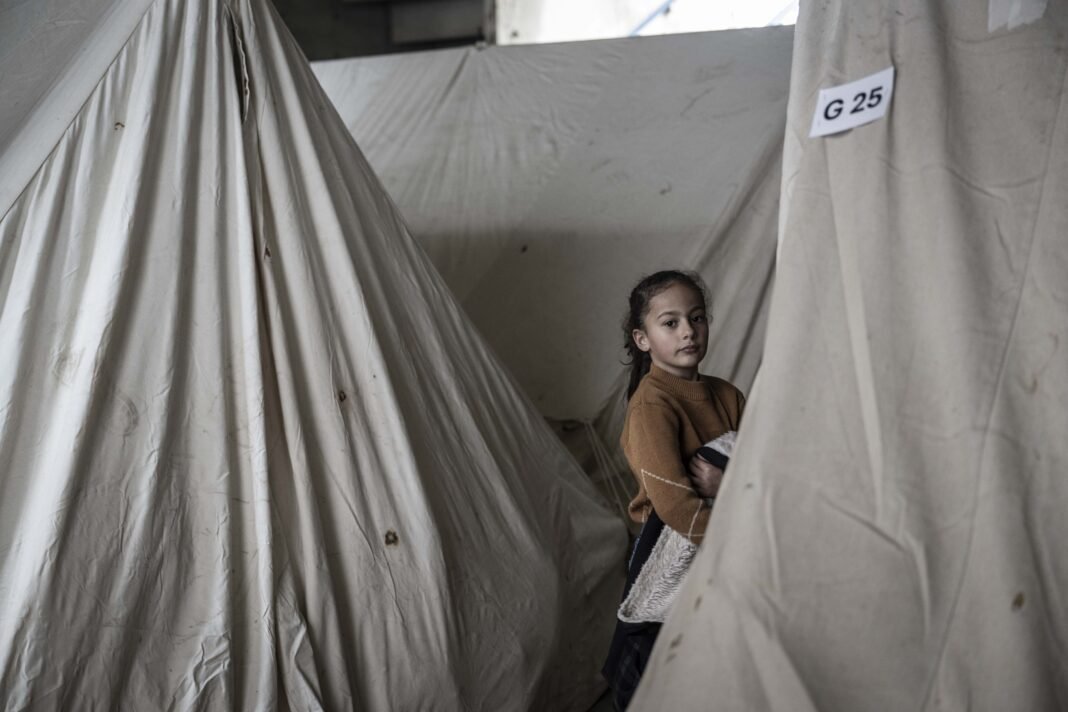
The ongoing turmoil and occupation in southern Lebanon have uprooted over one million people since March, forcing them to seek shelter wherever possible-whether with relatives, through temporary rentals, or by spending nights in cars and open areas. This massive displacement is straining lebanon’s already vulnerable infrastructure. Meanwhile, more then 130,000 individuals have crossed into Syria, urgently needing food assistance, financial support, and safe housing.
Humanitarian Aid Embraces Digital Financial Solutions
As the urgency for humanitarian aid intensifies rapidly, international funding has surged correspondingly. Yet much of this aid bypasses traditional humanitarian organizations; rather it flows through digital fintech platforms directly to trusted community members who then distribute cash or purchase essential supplies for displaced families.
Although there is no centralized system tracking donations linked specifically to this conflict in real time, remittance data sheds light on these financial movements. Typically receiving between $6 billion and $7 billion annually from its diaspora-equivalent to about one-third of its GDP-Lebanon heavily depends on these overseas contributions during crises.
The Surge of Instant Peer-to-Peer Money Transfers
Remittance fees sent into Lebanon average around 11%, substantially above the global average near 6%. In emergency contexts like today’s crisis, these funds become critical lifelines rather than routine transfers. A major shift has occurred toward instant peer-to-peer payments via digital wallets as the preferred method for sending money home quickly.
Recent studies indicate that informal channels now represent roughly 70% of total incoming funds amid this emergency period. Besides electronic transfers facilitated by fintech apps, a considerable amount still arrives as physical cash carried by travelers returning from abroad.
A New Financial Landscape Built on Gift Card Technology
An illustrative example is Whish Money-a platform that initially digitized gift cards but evolved into a broad financial ecosystem offering remittances and peer-to-peer payments across more than 110 countries with over two million users worldwide.
The company began in 2007 enabling retailers to instantly issue digital gift cards; over time it expanded services toward complete money transfer solutions designed especially for unbanked populations lacking access to traditional banking systems.
Addressing Banking Collapse Amid Economic Crisis
The Lebanese banking sector’s collapse left millions unable to access their savings due to frozen accounts and withdrawal restrictions imposed nationwide. Globally approximately 1.4 billion adults remain unbanked without basic banking services-a barrier that hampers economic progress and poverty reduction efforts worldwide.
During Lebanon’s recent upheavals-and continuing today-platforms like Whish money have become vital tools allowing people outside formal banks immediate access to funds sent from family abroad or grassroots fundraising campaigns conducted online.
Evolving Spending Patterns Among Displaced Families
Koussa observes a notable change: families facing prolonged uncertainty tend toward bulk purchases stocking up on essentials rather than frequent small transactions; grocery expenses once averaging $200 now often exceed that amount as households prepare for extended instability ahead.
The Power of Informal Networks & Social Media Fundraising
A large share of aid distribution operates informally through social media influencers and local organizers who collect donations internationally before channeling resources directly where they are moast needed within communities affected by displacement. This decentralized model echoes past crises when official institutions faltered but grassroots initiatives prevented widespread hunger or deprivation inside Lebanon.
“It wasn’t government agencies nor large donors-it was individual efforts scattered across communities keeping people alive,” reflects firsthand experience shared by local fundraisers involved during previous conflicts.”
Dwindling Trust in Public Institutions spurs Grassroots Mobilization
A recent survey reveals steep declines in public confidence toward Lebanese governmental bodies since earlier years-with only security forces maintaining relatively stable trust levels among citizens-which further fuels reliance on private networks managing aid independently from official channels.
Navigating Regulations While Ensuring Transparency in Digital Donations
Though operating largely outside traditional humanitarian frameworks overseen by governments or international NGOs,digital donation platforms comply with anti-money laundering regulations . Recipients undergo vetting processes ensuring accountability while balancing rapid disbursement needs against regulatory safeguards inherent within cross-border finance systems.
- Caution: Some countries enforce strict legal restrictions on social media fundraising without licenses-as a notable example criminal penalties exist within jurisdictions such as the United Arab Emirates;
- Lebanon’s context: currently exhibits comparatively lighter regulation regarding digital giving mechanisms;
- main challenge: balancing speed required during emergencies alongside necessary oversight preventing misuse or fraud remains critical;
the Future trajectory: Fintech Driving Financial Inclusion & trust
“Trust has emerged as today’s most valuable currency,” Koussa remarks reflecting shifting attitudes towards money management amid systemic failures.
This erosion of confidence left behind by conventional banks opens doors where fintech innovations not only offer practical alternatives but also rebuild trust among millions relying daily upon swift receipt of foreign assistance converted instantly into usable resources.
- Banks may increasingly serve primarily as intermediaries rather than direct service providers;
- The true breakthroughs fostering inclusion will come via innovative technology platforms enabling seamless global connectivity;
- This paradigm shift signals either an end-or basic change-to retail banking models established centuries ago.
an estimated one million internally displaced persons depend heavily on these evolving systems ensuring timely delivery amidst chaos-a testament both practical necessity demands innovation beyond legacy institutions.