How Luxury brands Are Transforming Their Approach for the Lunar New Year Market
Crafting Unique Lunar New Year Collections to Captivate Chinese Shoppers
prestigious brands like Harry Winston and Loewe are intensifying their efforts to create Lunar New year-inspired products that appeal directly to affluent Chinese consumers. As the Year of the Horse draws near, these luxury houses are unveiling exclusive pieces that merge cultural symbolism with exquisite craftsmanship.
For instance, Harry Winston released a limited-edition rose gold watch priced at $81,500, featuring diamond-encrusted bezels and a vivid red lacquer horse design. Meanwhile, Chloé introduced a special capsule collection ranging from $250 silk scarves to an extravagant $5,300 snakeskin shoulder bag embellished with equestrian motifs such as horse heads and tails linked by their signature horsebit chain. Other luxury names like Gucci and Loro Piana have also launched accessories incorporating subtle horse-themed charms.
The Evolution of China’s luxury Market Dynamics
The arrival of the Year of the Horse coincides with cautious optimism about China’s luxury sector rebounding after several challenging years. previously dominant contributors to global luxury sales, Chinese consumers had scaled back spending due to economic headwinds and real estate market challenges.
Current estimates value China’s luxury market at roughly 350 billion RMB (about $50 billion) in 2024. while some forecasts predict a slight contraction between 3% and 5% in 2025 amid ongoing uncertainties, signs of recovery surfaced late last year driven by improved stock market performance and renewed consumer confidence.
A Competitive Yet Encouraging Forecast
Luca Solca from Bernstein anticipates stabilization followed by moderate mid-single-digit growth rates for Chinese luxury consumption in 2026. However, he notes that competition is fiercer then before when Chinese buyers accounted for nearly one-third of global luxury purchases-a share now closer to 23% post-pandemic.
Cultural Depth: Moving Beyond Zodiac clichés
Lunar New Year festivities traditionally emphasize red and gold colors symbolizing prosperity alongside zodiac animals representing each year-the recent transition being from snake to horse.While these symbols offer Western brands an accessible way into cultural relevance during this season, experts warn against shallow or stereotypical interpretations.
“Chinese consumers expect more than just surface-level holiday motifs; they demand genuine authenticity,” industry analysts observe.
The Rise of Contemporary Cultural Storytelling
Younger generations honor tradition but prefer modern reinterpretations that feel personally meaningful rather than formulaic symbolism. Veronique Yang from BCG highlights how uninspired or literal designs risk alienating discerning shoppers who seek narratives blending heritage with contemporary style.
The Growing Sophistication Among Consumers Over Time
Lunar New Year collections first gained momentum among Western designers during the early 2010s when newly wealthy Chinese travelers eagerly purchased designer goods abroad due to limited domestic availability outside major cities like Shanghai or Beijing. Today’s affluent clientele have experienced global luxury firsthand-from flagship stores on Fifth Avenue in new York City to Michelin-starred dining worldwide-and their expectations have evolved accordingly.
“China has shifted from pent-up demand into one of the most sophisticated markets globally,” experts note regarding changing consumer behavior.
Pandemic-induced Changes in Spending Patterns
The COVID-19 pandemic permanently reshaped shopping habits: before travel restrictions hit in early 2019, approximately two-thirds of Chinese luxury spending occurred overseas; by last year only about one-third was spent abroad as domestic consumption surged alongside rising prominence of local premium brands such as Shang Xia and Neiwai.
Innovative Strategies That Resonate With Younger Buyers
Away from heavy reliance on zodiac imagery-which may only resonate personally with those born under specific signs-brands are experimenting with immersive experiences designed to foster deeper connections among younger customers seeking authenticity over token gestures:
- Valentino: Organized an elaborate three-day lantern festival at Tianhou Palace along Shanghai’s Suzhou Creek combining traditional elements with brand storytelling through interactive events;
- Burberry: Launched a thorough campaign featuring prominent Chinese ambassadors supported by pop-up boutiques and seasonal attractions including ice rinks set up across Beijing;
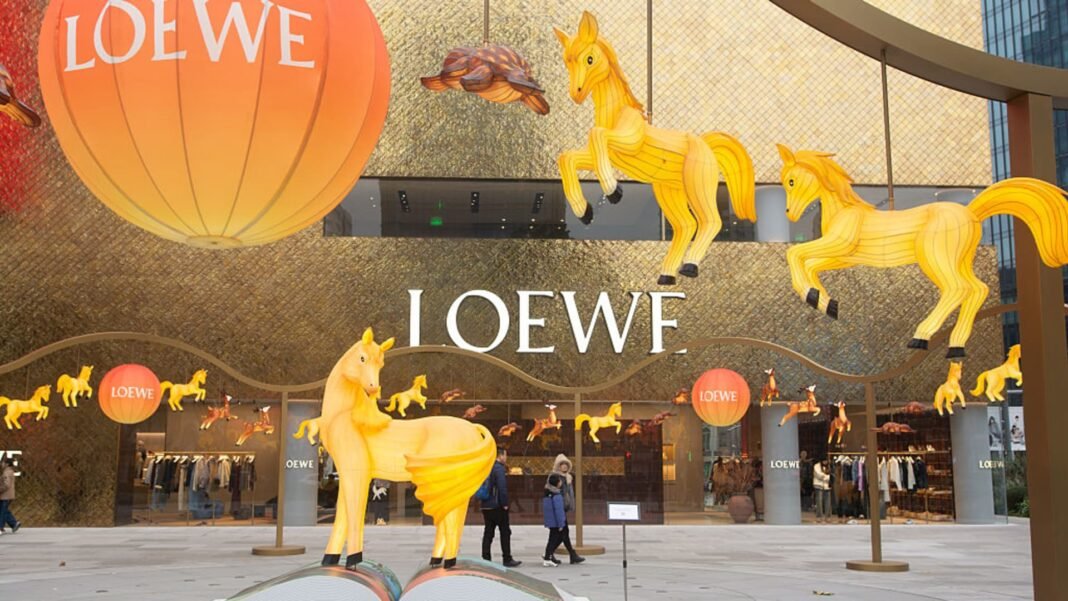
- Loewe: Chose understated design details such as fringes and tassels evoking Western cowboy aesthetics rather of overt equine motifs on it’s Puzzle bags-offering fresh takes aligned with modern tastes;
Cultivating Richer Cultural narratives Beyond Animal Symbols
This trend highlights how integrating diverse cultural components can deepen brand stories around Lunar New Year celebrations without overusing animal iconography-a strategy increasingly embraced by savvy marketers aiming for authentic engagement within china’s evolving consumer landscape.