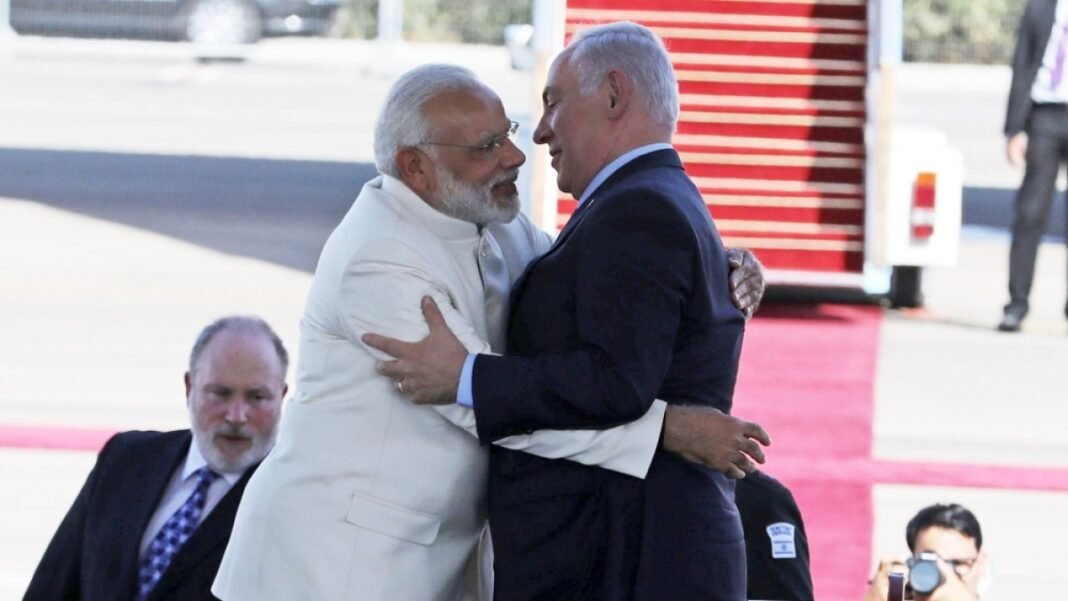
India-Israel Relations: Evolving Dynamics in a Shifting Global Context
historical Foundations and Strategic Shifts
india’s approach to the Israeli-Palestinian conflict has seen meaningful evolution over time. initially,India strongly supported Palestinian sovereignty,opposing the 1947 United Nations partition plan and becoming one of the first non-Arab countries to officially recognize Palestine in 1988. This stance was rooted in India’s post-colonial solidarity with oppressed nations and its leadership within the Non-Aligned Movement during the Cold war era.
With the end of the Cold War and India’s increasing integration into global markets, New Delhi adjusted its foreign policy priorities. Diplomatic relations with Israel were formally established in january 1992, marking a pivotal departure from earlier cautious engagement. Since then, defense cooperation has emerged as a cornerstone of bilateral ties while expanding into sectors such as technology innovation and trade.
The Modi Government’s Role in Deepening Ties
The election of Narendra Modi as Prime Minister in 2014 accelerated this partnership significantly. The Bharatiya Janata Party (BJP), which emphasizes Hindu nationalist ideals positioning India as a homeland for Hindus worldwide, shares ideological parallels with Israel’s identity as a Jewish state. Both administrations prioritize combating what thay describe as “Islamic terrorism,” though critics argue this rhetoric often justifies policies that disproportionately affect Muslim communities.
This ideological convergence has translated into concrete outcomes: by 2024, India had become Israel’s largest arms customer globally. During Israel’s controversial military operations in Gaza that year-widely condemned internationally-Indian defense firms reportedly supplied rockets and explosives used by Israeli forces.
Ahead of Modi’s second visit to Israel on February 25, 2026, both nations signed agreements aimed at enhancing joint defense projects including anti-ballistic missile systems advancement. His planned speech before Israel’s Knesset symbolizes an unprecedented embrace of pro-Israel policy by an Indian government.
A Political Dimension Behind Diplomatic Engagements
The timing of Modi’s visit also carries significance for Israeli Prime Minister Benjamin Netanyahu amid national elections marked by criticism over intelligence lapses preceding recent Palestinian militant attacks and contentious judicial reforms domestically. Hosting Modi is seen by many analysts as bolstering Netanyahu’s international standing during his re-election campaign.
Navigating Complex Regional Realities
Despite growing closeness with Israel, India continues to voice support for Palestinian statehood through calls for dialogue-based peace solutions-a reflection of its historical commitments but increasingly subdued given geopolitical pragmatism.
This balanced posture exemplifies India’s modern interpretation of “strategic autonomy,” moving beyond conventional non-alignment toward pragmatic diplomacy designed to maintain cordial relations across Middle Eastern powers including Arab states and Iran without becoming entangled in regional conflicts.
External pressures have shaped these dynamics; under former U.S President Donald trump’s governance, India curtailed Iranian oil imports and scaled back development at Iran’s chabahar port-a vital link connecting Central Asia-amid escalating U.S.-Iran tensions threatening further regional instability today.
The Changing Power Equation Across the Middle East
“India seems positioned for an era where waning Iranian influence could elevate Israel’s role as a dominant regional power,” experts note.
this anticipated shift offers strategic benefits for New Delhi seeking closer alignment with Washington through strengthened ties with influential allies like Israel while hedging against unpredictable developments involving Iran or other actors within the region.
Bilateral Expansion Beyond Defense: Trade & Cultural Connections
The economic relationship between India and Israel has grown exponentially as normalization-from modest trade volumes around $200 million during the early ’90s to surpassing $6 billion by 2024. Key industries include diamond processing, petroleum refining, chemical manufacturing alongside rapidly expanding collaborations within technology startups fostering innovation ecosystems shared between both countries.
Cultural exchanges have also intensified; following restrictions imposed on Palestinians working inside Israel after October 2023 hostilities initiated by Hamas-which displaced thousands-many Indians filled labor shortages notably within construction sectors there. This trend highlights not onyl economic interdependence but also deepening peopel-to-people connections despite ongoing geopolitical tensions nearby.
A Defining Moment That Reshaped Bilateral Norms
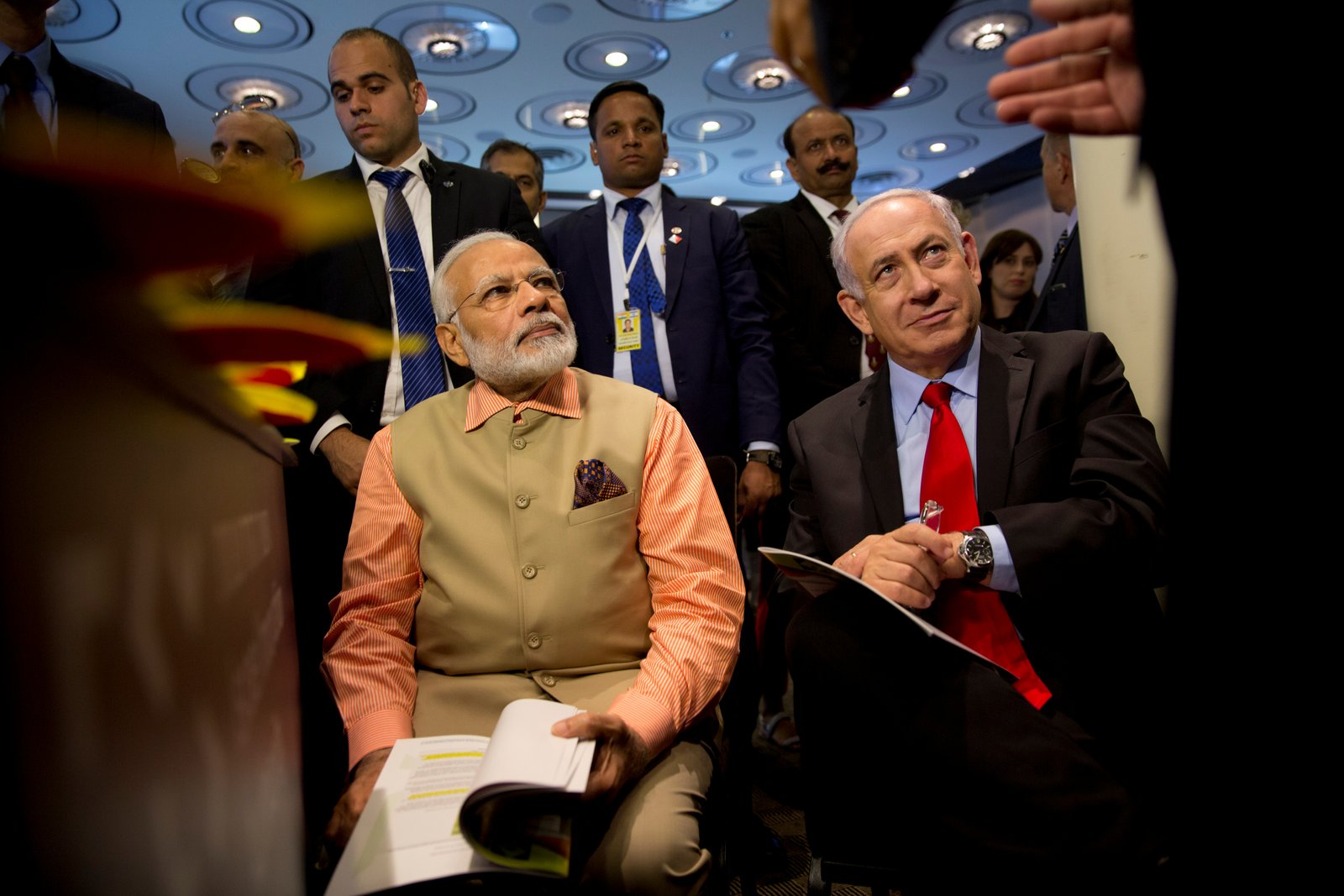
Diverging from previous diplomatic protocols during his first trip to Israel, Modi chose not to visit Palestinian territories together-a clear break signaling prioritization of Indo-Israeli relations over traditional balancing acts practiced before his tenure.
This watershed moment paved way for reciprocal visits such as Netanyahu becoming first sitting Israeli premier officially hosted by New Delhi later that year-further cementing trust despite controversies surrounding alleged external influences dismissed outright at that time.
Moral Dilemmas Amid Strategic Pragmatism
“india risks diminishing its moral authority long respected across Global South due largely to pragmatic realpolitik favoring strategic gains,” caution analysts.
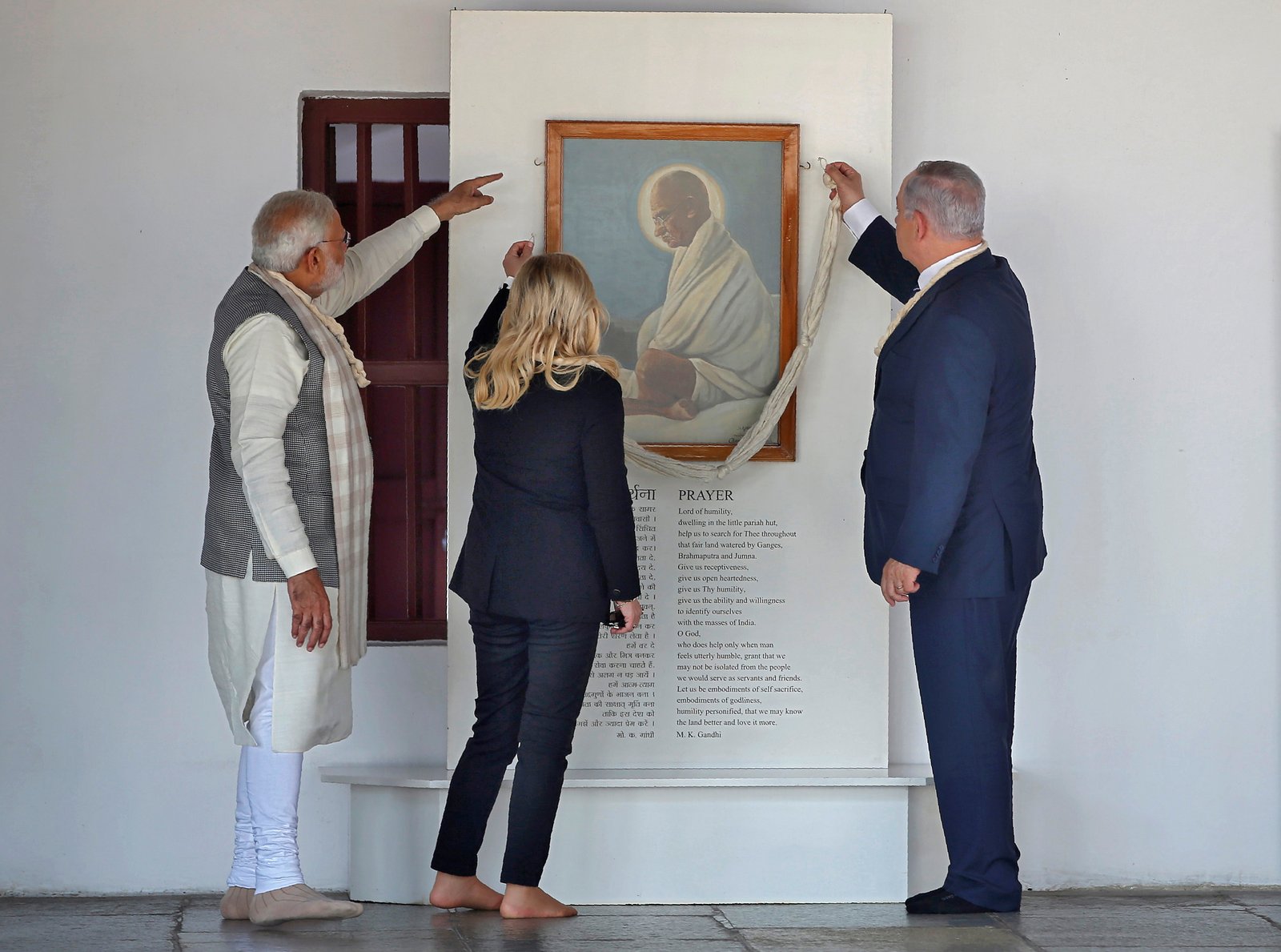
Critics contend that India’s overt backing amid allegations against Israeli actions-including accusations described by some observers as genocidal regarding Gaza conflict-weaken New Delhi’s credibility among developing nations traditionally united around human rights advocacy.
Supporters argue this stance reflects necesary pragmatism given technological advantages gained especially concerning counterterrorism capabilities relevant domestically due to persistent threats along India’s borders primarily linked to Pakistan-backed militant groups operating within Kashmir.
While Pakistan denies direct institutional involvement beyond isolated individuals participating irregularly-it remains central shaping India’s security calculus reinforcing rationale behind close collaboration with similarly threatened partners like Israel who share comparable security concerns globally today more than ever before when ideological divides dominated discourse rather of practical alliances based on mutual interests rather than purely values-driven diplomacy alone.