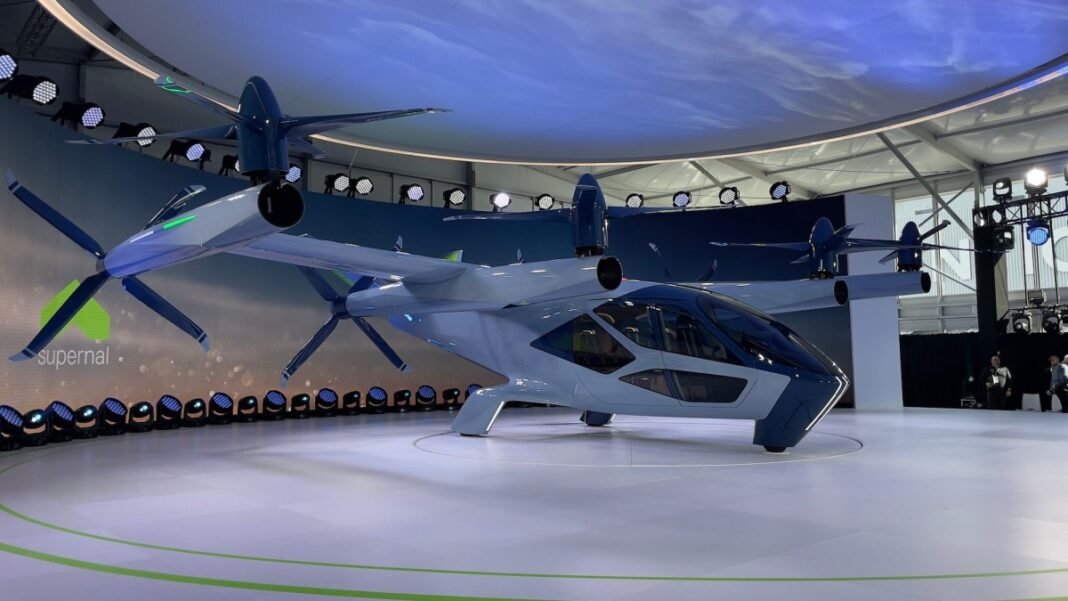
Supernal’s Electric Air Taxi Initiative Encounters Significant Challenges Amid Executive turnover
Hyundai’s electric air taxi project, Supernal, has temporarily suspended its aircraft development efforts following a period marked by key leadership exits and workforce downsizing, insiders reveal.
Executive Changes Trigger Operational Standstill
the departure of CEO Jaiwon Shin and Chief Technology Officer David McBride has coincided with Supernal pausing its flight program to reevaluate its strategic approach. In the interim, David Rottblatt has assumed the role of Interim COO to oversee daily operations during this transitional phase.
The parent company is actively seeking new executives with robust business management experience to guide Supernal through its next phase within the Urban Air Mobility (UAM) sector. This revamped leadership will be responsible for reassessing timelines and setting realistic targets for commercial service rollout.
Market Uncertainties Compound Development Delays
Although Supernal conducted initial test flights earlier this year using a technology demonstrator aircraft, it had not yet achieved an untethered flight before halting progress. The startup initially aimed to launch commercial air taxi services by 2028; though, that timeline now appears uncertain amid ongoing challenges.
This setback reflects broader turbulence in the electric vertical takeoff and landing (eVTOL) industry. While competitors such as Archer Aviation have recently secured ample investments from major automakers like Stellantis, others including Vertical Aerospace have faced repeated delays in certification processes.
Workforce Reductions Highlight Scaling Difficulties
This summer saw Supernal reduce staff numbers substantially after closing its Washington D.C. headquarters last year and consolidating operations primarily in California. These moves underscore persistent difficulties in ramping up production while controlling costs within an emerging market projected to reach $11 billion globally by 2030 according to recent forecasts.
Navigating Forward: Strategic Realignment Under New leadership
The former CEO had showcased enterprising technological goals at events such as CES 2024, unveiling non-flying prototypes alongside commitments for imminent test flights intended to validate their designs. Current developments suggest these milestones will require extended timelines beyond initial expectations.
Hyundai’s experience with other advanced ventures offers viewpoint; for example, Motional-the autonomous vehicle joint venture-underwent major restructuring last year after partner Aptiv withdrew funding support. This led to layoffs affecting nearly half of their workforce and prompted leadership changes similar in scope to those now occurring at Supernal.
Key Industry Challenges Demanding adaptability
- Evolving Market Dynamics: investor sentiment fluctuates amid shifting regulatory landscapes across global markets impacting eVTOL startups’ funding prospects.
- Technical Complexities: Achieving safe and efficient electric air taxis involves overcoming significant engineering obstacles related to battery longevity and complex flight control systems integration.
- User acceptance: Public willingness remains tentative as urban infrastructure adapts slowly toward supporting aerial mobility solutions on a large scale.
“Success in urban air mobility depends not only on cutting-edge innovation but also on resilient strategies capable of weathering unpredictable market shifts,” industry analysts observe based on recent trends among multiple startups.”
A Renewed Outlook for Urban Air Mobility Progression
The current pause at Supernal highlights how visionary transportation projects must balance bold ambitions with practical execution amidst evolving economic conditions. As fresh leadership takes charge focusing on refining operational priorities, stakeholders remain cautiously optimistic about when-and if-the company can regain momentum toward delivering commercially viable electric air taxis within the coming decade.