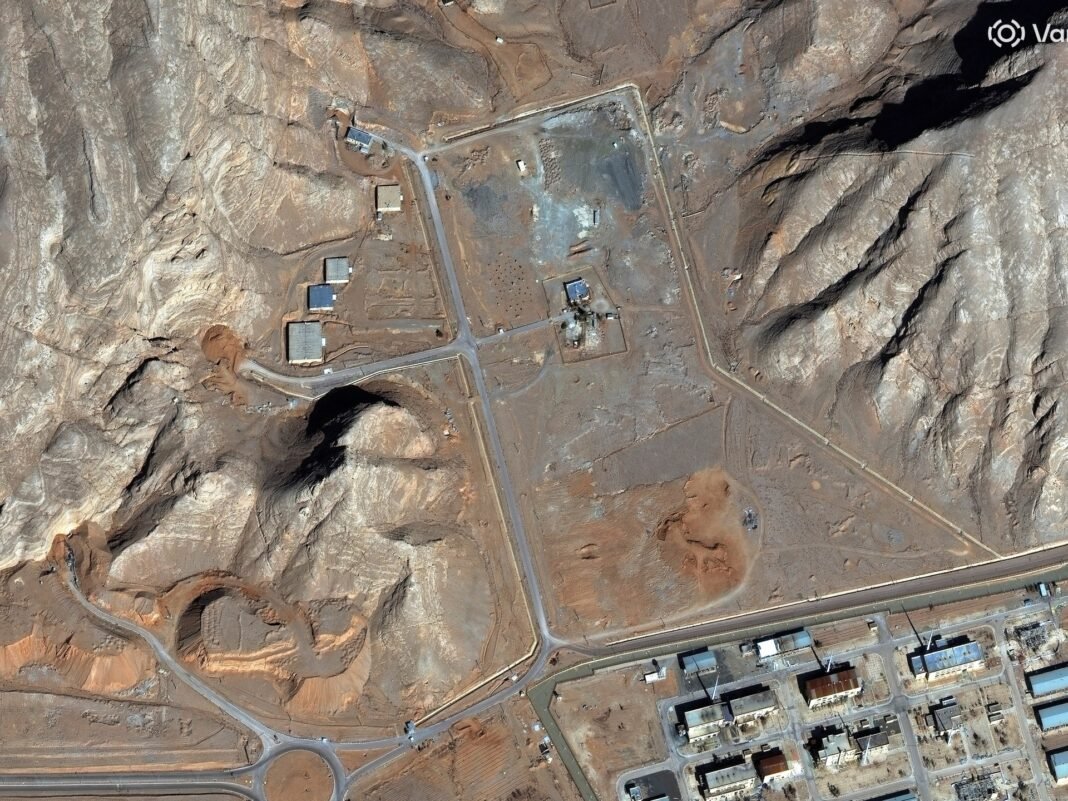
IAEA Reports Iran’s Subterranean Uranium Storage at Isfahan Facility
The International Atomic Energy Agency (IAEA) has disclosed that a notable portion of iran’s highly enriched uranium is housed within an underground tunnel network at the Isfahan site. This revelation heightens international demands for Tehran to allow thorough inspections amid rising tensions with the United States over Iran’s nuclear program.
Insights from the Latest IAEA Findings
The newest IAEA report confirms that Iran continues to enrich uranium up to 60 percent purity, approaching levels considered suitable for nuclear weapons. While consistent with earlier evaluations, this growth raises concerns due to limited inspection access granted by iranian authorities, especially concerning the Isfahan facility-one of three critical sites reportedly targeted during last year’s Israeli and US airstrikes.
Analysis of recent satellite images reveals steady vehicular activity near the entrance of this underground complex where uranium enriched between 20% and 60% U-235 is stored. The restricted ability of inspectors to perform on-site verifications significantly impedes efforts to ensure secure and obvious monitoring of nuclear materials.
Ambiguity Surrounding Additional Enrichment Sites
The report also points out uncertainty about a fourth enrichment plant in Isfahan announced by Iran before last year’s conflict. Inspectors remain unclear whether this facility is operational or contains any nuclear material, complicating verification procedures further.
Regional Conflict’s Effect on Nuclear Oversight
Following Israel’s military strikes in June targeting Iranian nuclear infrastructure-which triggered a brief 12-day confrontation involving US forces-Iran reduced cooperation with international inspectors. Tehran accused the IAEA of bias for not condemning these attacks and restricted access to several damaged sites under scrutiny for uranium enrichment activities.
Diplomatic Stalemates Amid Ongoing negotiations
A day prior to this report’s release, indirect talks between US and Iranian representatives mediated by Oman concluded without meaningful progress toward resolving disputes over Iran’s nuclear ambitions. These discussions are expected to continue alongside an upcoming quarterly meeting of the IAEA board in Vienna, where member states will assess compliance issues and inspection challenges.
The Challenge Posed by Enriched Uranium Reserves
An unresolved concern centers on more than 400 kilograms (around 882 pounds) of uranium enriched up to 60 percent-the highest level recorded before inspections where halted last June. Experts warn that such quantities could accelerate weaponization if safeguards are not strictly maintained.
“Satellite data shows activity around storage sites but no confirmed internal entry; even Iranian personnel appear unable or unwilling to access certain facilities,” analysts noted while reviewing imagery.”
Key Barriers in Current US-Iran Nuclear Dialog
- inspection Limitations: Tehran’s restrictions hinder clarity necessary for verifying peaceful intentions.
- Nuclear Material Accountability: Uncertainty about whereabouts and status of enriched uranium stockpile raises fears over potential weapon development routes.
- divergent Negotiation Positions: The United States demands dismantling critical parts of Iran’s nuclear infrastructure alongside curbs on ballistic missile programs; simultaneously occurring,iranian officials criticize what thay call excessive American conditions obstructing progress.
Evolving challenges in Nuclear Monitoring Frameworks
This situation highlights how geopolitical conflicts disrupt longstanding nonproliferation mechanisms established decades ago-underscoring urgent needs for innovative diplomatic approaches supported by advanced technical verification tools capable of adapting when physical site access is limited or denied.
Navigating Future Security Concerns Through Diplomacy and Technology
The months ahead will be pivotal as global actors consider options ranging from enhanced sanctions enforcement against Tehran’s nuclear activities to renewed diplomatic efforts aimed at reinstating agreements limiting enrichment levels and expanding inspection rights. Success hinges on transparent cooperation among all parties combined with vigilant monitoring through cutting-edge satellite technology and intelligence sharing among nations committed worldwide to preventing proliferation risks effectively.