IBM Navigates Market Challenges Amid AI-Driven Legacy System Innovations
Revolutionizing COBOL-Based Infrastructure with Artificial Intelligence
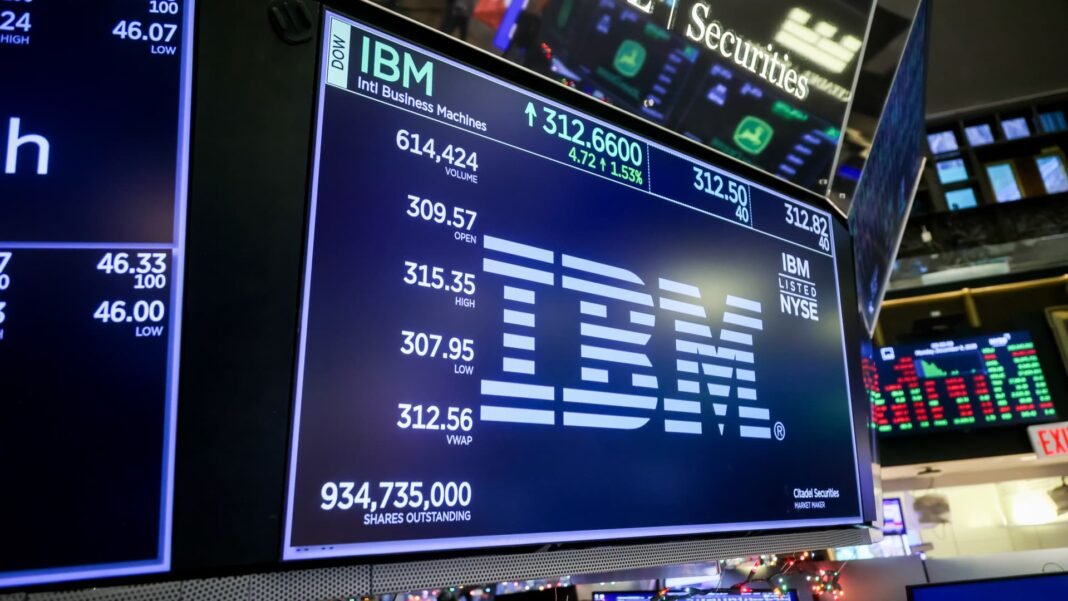
International Business Machines Corp. (IBM) recently faced a significant market setback, with its stock price falling over 13% to close at $223.35 per share. This decline followed the unveiling of Anthropic’s latest AI innovation, Claude Code, which aims to transform the modernization process for legacy systems heavily reliant on COBOL-a programming language deeply embedded in IBM’s core operations.
The Persistent Importance of COBOL in modern Business Operations
Developed in the late 1950s, COBOL (Common Business-Oriented Language) continues to serve as a backbone for critical business functions such as transaction processing and payment systems. Astonishingly, nearly 95% of ATM transactions across the United States still operate on COBOL-based platforms. This legacy code remains essential across sectors including finance, aviation, and government agencies.
Dwindling Expertise Poses Challenges for Legacy Systems
Despite managing hundreds of billions of lines daily worldwide, the pool of professionals skilled in COBOL is shrinking rapidly.This scarcity has historically made system upgrades both expensive and time-intensive due to the complexity involved in understanding decades-old codebases.
Claude Code: A New Era for Legacy System Modernization
anthropic’s Claude Code harnesses advanced AI capabilities to automate intricate tasks related to analyzing and upgrading vast COBOL code repositories.by efficiently mapping interdependencies within thousands of lines and generating detailed workflow documentation, it uncovers potential risks that would typically take human experts months to identify.
“Modernizing legacy code was once stalled because deciphering it cost more than rebuilding from scratch; AI now reverses this dynamic.”
Addressing Technical Debt Through Intelligent Automation
This breakthrough tackles one of the biggest obstacles companies face: technical debt-the growing maintenance burden caused by fast fixes during software development cycles that accumulate over time. By automating analysis and documentation processes with AI precision, Claude Code accelerates digital transformation efforts hindered by declining developer availability and productivity.
Investor Sentiment Reflects unease Over Rapid AI Disruption
The introduction of Claude Code heightened investor concerns about how artificial intelligence might swiftly disrupt established technology giants like IBM without clear regulatory guidance or transition strategies. The broader tech market has experienced volatility amid fears that emerging AI tools could render conventional infrastructures obsolete faster than anticipated.
A recent illustration includes cybersecurity stocks dropping sharply after Anthropic launched “Claude Code Security,” an extension designed to automatically scan software repositories for vulnerabilities-demonstrating how AI innovations are simultaneously reshaping multiple technology domains.
Year-to-Date Market Trends Highlight Growing Uncertainty
- This year alone, IBM shares have fallen more than 24%, reflecting mounting apprehension about adapting quickly enough to evolving technological landscapes.
- The sell-off underscores investor preference shifting toward companies offering cutting-edge solutions capable of managing complex legacy environments while reducing security risks inherent in aging software frameworks.
- The trend signals an industry-wide pivot toward embracing intelligent automation tools that streamline modernization without compromising system reliability or compliance standards.
A Forward-Looking Perspective: Leveraging Smart Automation for Legacy Systems’ Future
The advent of elegant AI-driven tools like Claude Code marks a transformative juncture for industries dependent on long-standing technologies such as COBOL-powered mainframes.As organizations confront dwindling expertise alongside rising operational expenses associated with maintaining these systems, smart automation emerges as a vital strategy-enabling accelerated modernization cycles while safeguarding mission-critical infrastructure integrity at scale.
This shifting surroundings calls for strategic investments into next-generation technologies designed not only to sustain but enhance essential business operations amid rapid global technological evolution-including financial institutions processing millions daily through ATM networks still anchored by legacy software architectures prevalent today.