



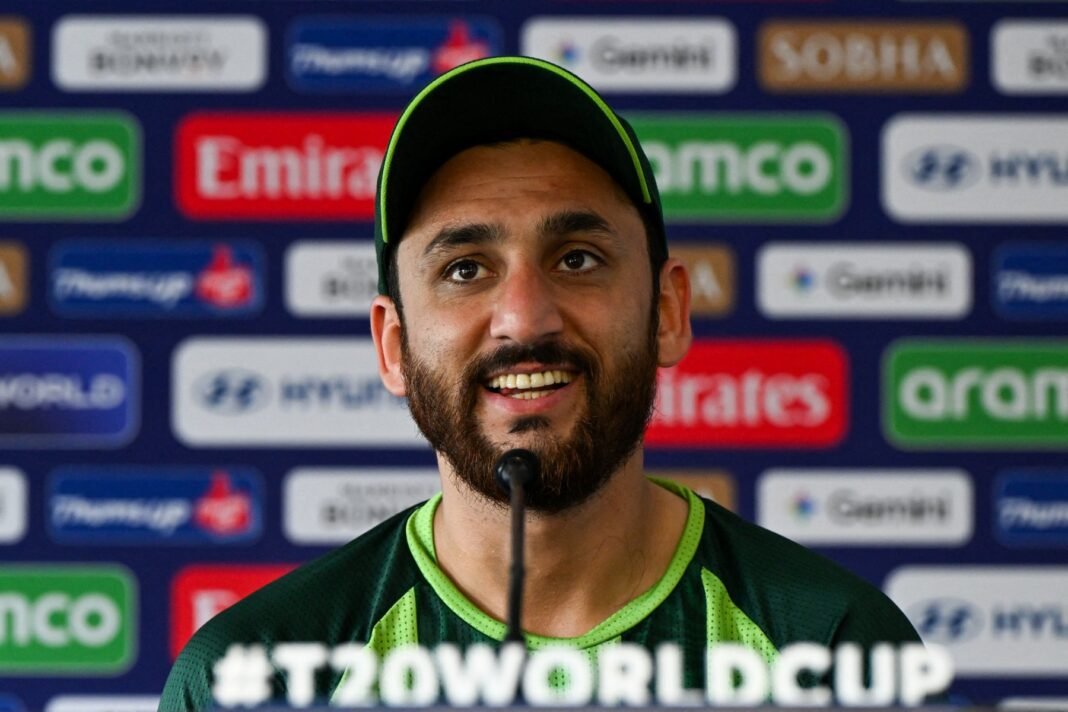
ICC Initiates Dialog with Pakistan Over T20 World Cup 2026 India Match Boycott
The International Cricket Council (ICC) has opened discussions with the Pakistan Cricket Board (PCB) to address Pakistan’s decision to boycott their scheduled T20 World Cup 2026 group stage match against India, set for February 15 in Colombo.
The High Stakes of the India-Pakistan Clash
Encounters between cricketing giants India and Pakistan consistently captivate a vast global audience, generating significant revenue through broadcasting rights, sponsorships, and advertising. This fixture ranks among the most lucrative and widely viewed events in international cricket.
Political Strains Shaping Tournament Participation
This edition of the tournament has been overshadowed by geopolitical tensions affecting team participation. Bangladesh withdrew from matches hosted by India citing security concerns, prompting Scotland to take their place. in a show of solidarity with Bangladesh, Pakistan declared it would abstain from facing co-hosts India during the group phase.
Implications for Pakistan’s Tournament Journey
After a narrow victory over the Netherlands in their opening match, Pakistan risks significant consequences if they forfeit against India. Such an action would result in forfeiture of two vital points and negatively impact their net run rate-both critical factors that could hinder their chances of advancing amid fierce competition among 20 participating teams.
Official Engagements and Team Commitments
The PCB has responded formally to ICC communications as talks continue behind closed doors. Insiders stress that ICC favors resolving conflicts through constructive dialogue rather than punitive measures or confrontations.
Meanwhile, Indian captain Suryakumar Yadav reaffirmed his squad’s intention to travel to Colombo as scheduled despite Pakistan’s boycott announcement.
A Decade-Long Hiatus in Bilateral Series: Understanding the Background
Bilateral cricket series between thes neighboring nations have been absent for over ten years due largely to ongoing political discord. As a result, encounters now occur exclusively within multinational tournaments or regional competitions instead of standalone bilateral tours.


