



Several european Countries Withdraw from Eurovision 2026 Over Israel’s Participation
Political Disputes Fuel Growing Boycott of Eurovision Song Contest
A number of European nations, including Spain, the Netherlands, Ireland, Slovenia, and Iceland, have announced their decision to abstain from participating in the Eurovision Song Contest 2026. This collective action comes in response to the European Broadcasting Union’s (EBU) recent confirmation that israel will be allowed to compete despite ongoing controversies related to its military operations in Gaza.
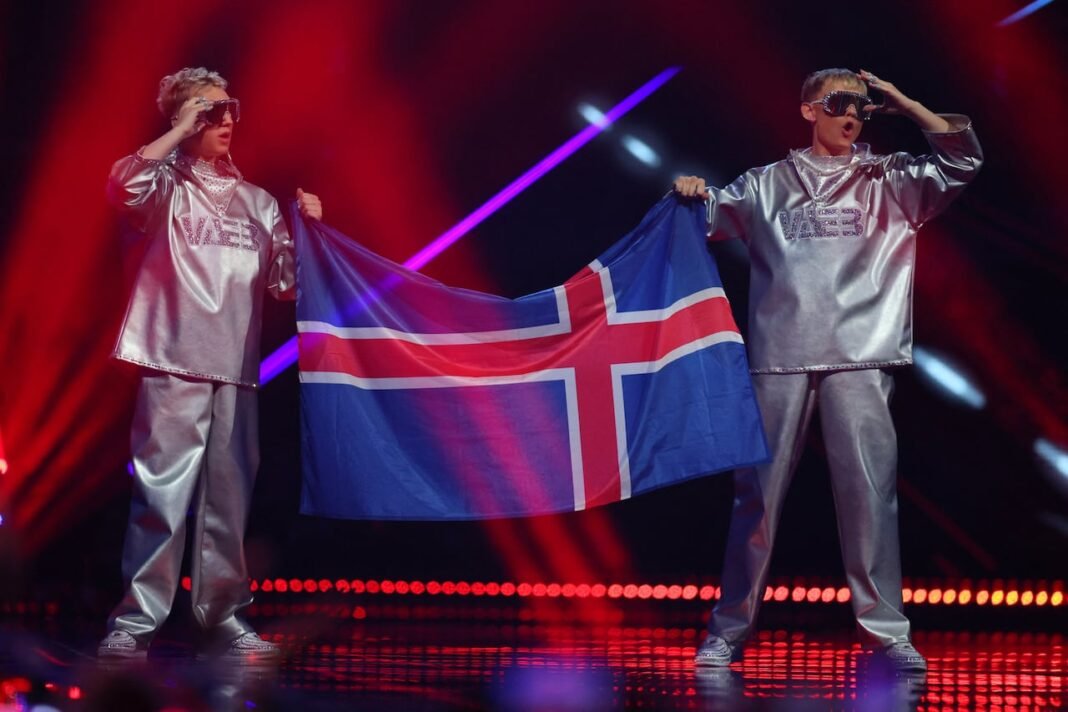
Iceland’s Withdrawal Highlights Domestic Unrest and Public Opposition
the Icelandic public broadcaster RÚV declared its withdrawal shortly after the EBU confirmed Israel’s involvement in next year’s contest hosted in Vienna. Citing widespread dissatisfaction among citizens and political tensions within Iceland, RÚV emphasized that continuing participation would neither foster unity nor peace domestically. Stefan Eiriksson, director general of RÚV, stressed that stepping back was necessary given the societal divisions stirred by this decision.
Diverse National Reactions Reveal Complex Geopolitical Undercurrents
While Spain, Ireland, Slovenia, and the Netherlands have aligned with Iceland by boycotting Eurovision 2026 due to concerns over human rights violations amid conflicts involving Hamas and Israel, other countries such as germany and host Austria remain supportive of Israel’s inclusion. This divergence illustrates how cultural events like Eurovision are increasingly influenced by international political disputes rather than purely artistic considerations.
Controversy Surrounding EBU’s Decision-Making Process
The European Broadcasting Union has faced backlash for sidestepping a member-wide vote on whether Israel should participate.Instead of consulting all broadcasters as requested by several countries-including Iceland-the EBU implemented new rules designed to prevent governmental interference following allegations that Israeli officials attempted to influence voting outcomes during previous contests.
Eurovision: From Cultural Celebration to Political Battleground
as its launch in 1956, the Eurovision Song Contest has evolved into one of Europe’s most-watched televised events with an estimated global audience exceeding 160 million annually. Originally intended as a celebration of music bridging diverse cultures across Europe-and even reaching audiences as far as Australia-the contest now frequently serves as a stage where geopolitical tensions become visible through decisions about national participation.
Iceland’s Ancient Performance Amid Current Political Stance
Iceland has never won first place as debuting decades ago but achieved notable success with two second-place finishes-in 1999 and again in 2009. The current boycott marks a significant moment where external political factors are directly shaping artistic representation on this international platform.
- Spain: Withdrew citing opposition against Israeli military actions impacting civilians.
- The Netherlands: Joined boycott reflecting broader EU concerns regarding humanitarian consequences linked to Gaza conflict.
- Ireland: Expressed solidarity with Palestinian civilians affected by ongoing violence near Gaza strip through public broadcasting channels.
- Slovenia: Prioritized ethical considerations over entertainment value when deciding not to participate.
- Iceland: Highlighted internal unrest triggered by EBU’s ruling amid calls for peaceful resolutions worldwide.
“This choice reflects deeper societal divisions concerning justice and human rights beyond mere contest participation,” remarked an official from one withdrawing broadcaster during discussions about policy implications surrounding Eurovision involvement.”
The Future Role of Culture Amid Global Political challenges
This wave of withdrawals signals a shifting paradigm where international cultural competitions like Eurovision can no longer be viewed solely through an artistic lens but must also account for geopolitical realities influencing participant engagement. As global audiences grow increasingly aware-and vocal-about such issues via social media platforms reaching billions daily (Instagram alone boasts over two billion active users),organizers face mounting pressure balancing inclusivity against ethical stances adopted by member nations.

Cultural Events Reflect Broader Patterns Where Entertainment Meets Politics
This situation echoes past instances when major sporting or entertainment events became arenas for political expression-such as when numerous countries boycotted international sports tournaments during apartheid-era South Africa or more recently when athletes used Olympic podiums worldwide as platforms highlighting social justice causes.
The unfolding controversy around Eurovision 2026 underscores how even celebrations designed to unite diverse cultures can expose deep fractures between nations’ values amid ongoing global conflicts elsewhere on the world stage.


